

The Best Conditioning Workouts for Athletes
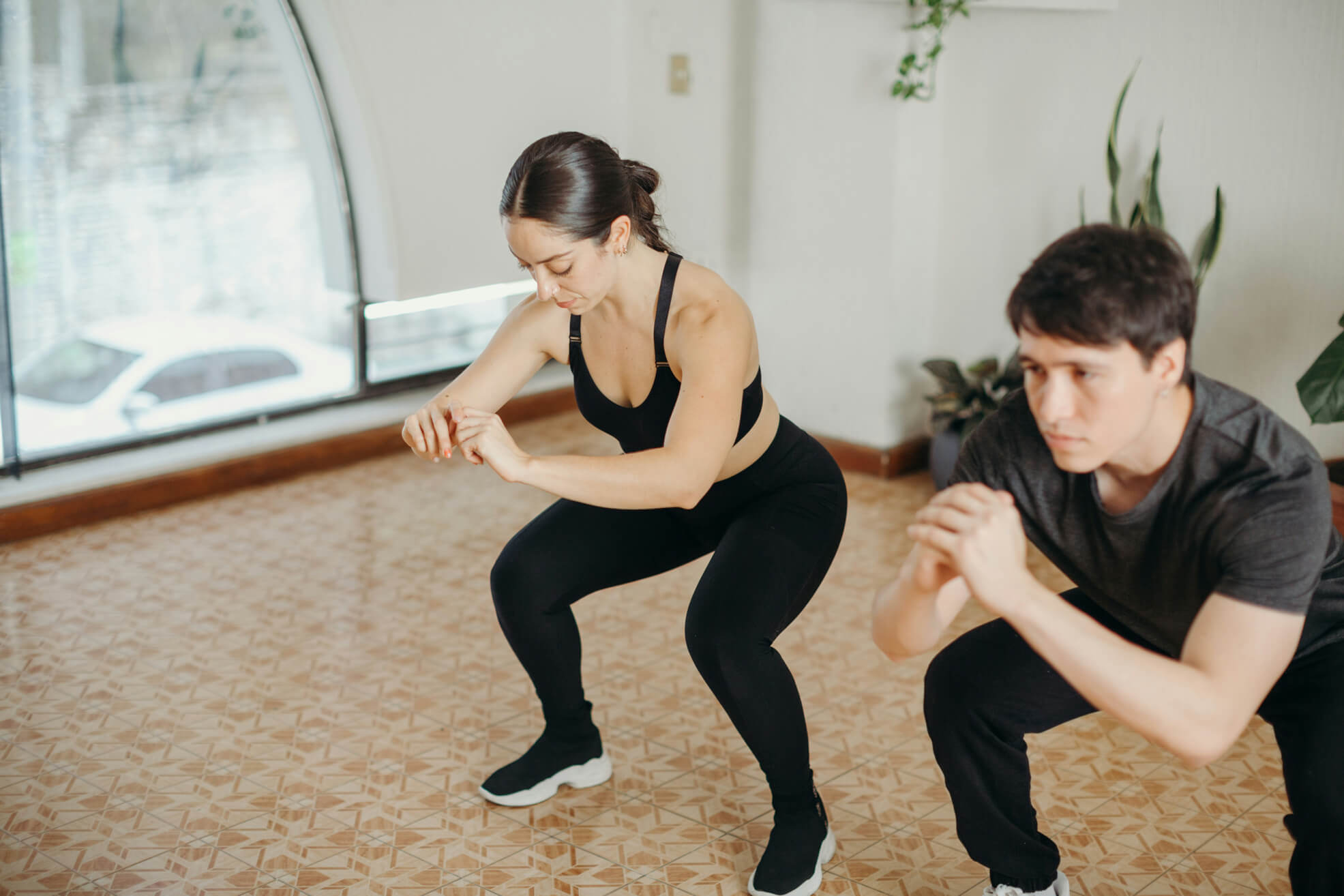
Conditioning workouts are one of the most overlooked pillars of a comprehensive fitness routine. Conditioning improves both muscular and cardiovascular stamina by increasing your aerobic capacity and anaerobic threshold, so you can deliver more oxygen to your system and perform more repetitions before fatigue. Metabolic conditioning also maximizes your caloric burn during and after a
Unlock Your Body’s Potential
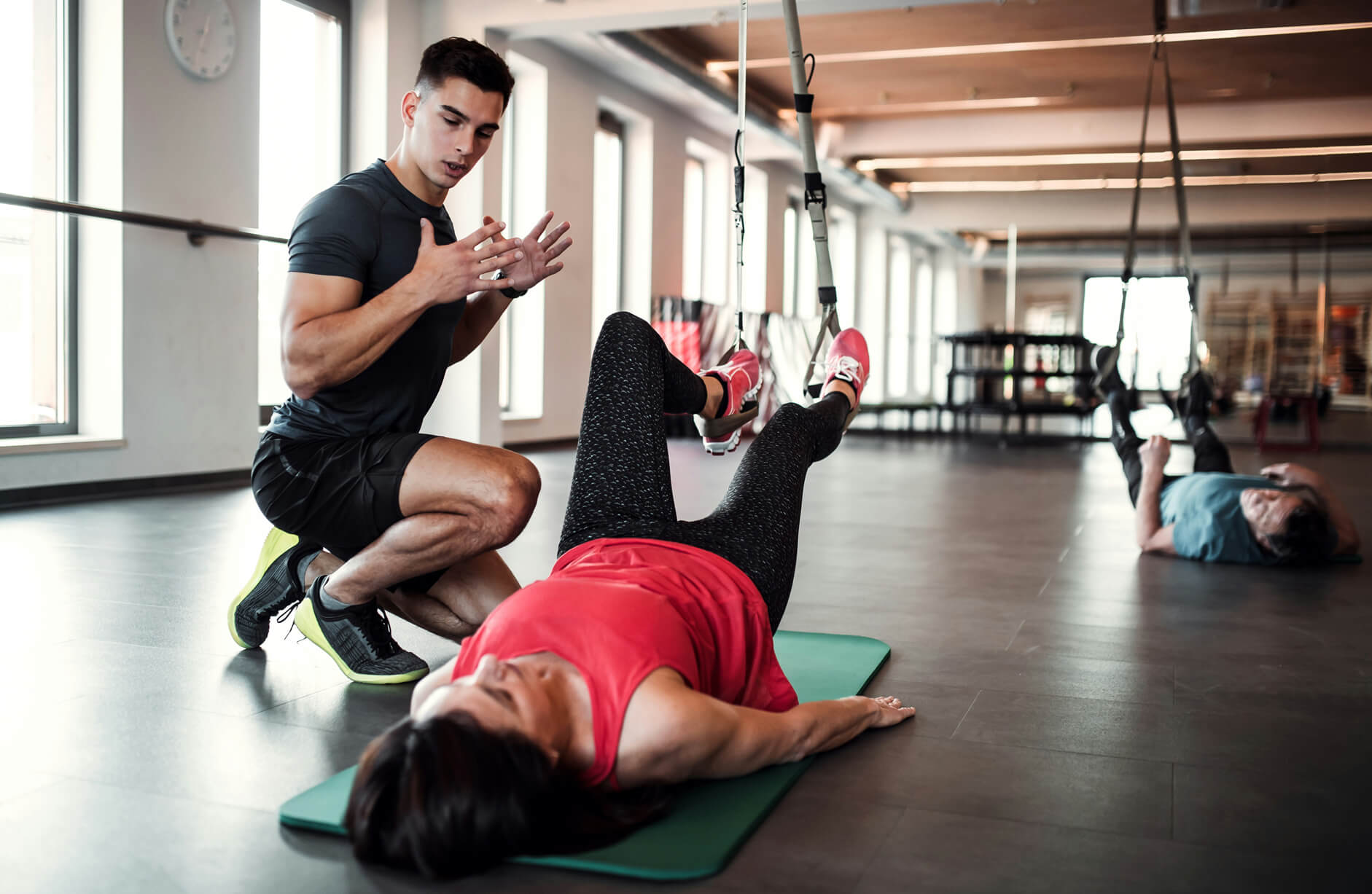
The Ultimate Guide to Corrective Exercise Programs Corrective exercise programs are the cornerstone of achieving optimal body function and performance. Whether you’re dealing with chronic pain, recovering from an injury, or simply looking to enhance your athletic performance, a tailored corrective exercise regimen can make all the difference. In this comprehensive guide, we will explore
Transform Pain into Progress with Personalized Corrective Exercise Plans
Recurrent injuries and chronic pain are both downsides in the quest for fitness and health. So, if you’re struggling to walk through the storm, consider a personal trainer San Diego. Iron Orr Fitness becomes a ray of light with customized remedial training regimens. These strategies signal a change in the way we approach pain and

How To Lower Cholesterol Naturally?
When it comes to your health, the old saying, “an ounce of prevention is worth a pound of cure,” couldn’t be more apt. One of the key preventative measures on the path to optimal health is to maintain balanced cholesterol levels. Cholesterol, despite its bad reputation, is crucial for the body’s daily functions. But just

5 Mysterious Reasons You Cannot Lose Weight
When you put in the effort to lose weight but don’t see the results you desire, the challenge becomes even more daunting. Get to the bottom of why you’re dieting and exercising incessantly if you can’t seem to break the cycle. It takes more than simply keeping track of calories in and calories out if
Top GLP-1 Foods To Help With Fat Loss Naturally
Tackling weight loss does not have to come with the risk of drug side effects. It’s entirely possible to boost your body’s fat-burning capabilities using what nature already offers us – foods that naturally increase levels of the hormone GLP-1. This hormone plays a big part in managing our body’s insulin levels and appetite, helping
How To Deal With Bloating? Tested And Effective Strategies For You
Has there ever been a time when you set a day aside for enjoyment, got dressed up, and were all set to step out, when your stomach pulled a fast one on you? Soon enough, you find yourself dealing with an uncomfortable fullness, similar to the sensation of having consumed a balloon. Bloating, as it
Different Types Of Magnesium And Their Health Benefits
Naturally, all of us want to do what’s best for our health. And one crucial part of maintaining our well-being and health is ensuring that our body gets all its required nutrients. Magnesium is one such vital mineral that’s integral to our health. It’s involved in nearly 300 enzymatic reactions in the body. There’s a
New Year, New You: Setting Realistic Fitness Resolutions!
A new year presents opportunities for new beginnings. While jotting out your resolutions be sure not to forget about your health which is your greatest wealth. Resolve to evolve in the new year by setting simple, realistic, and highly effective new year fitness resolution goals that will transform your life and help you discover a
Christmas Cheer Cardio: Fun and Energetic Treadmill Workouts!
Happy holidays! Christmas is a magical time to create and share priceless moments with loved ones. A time to honor and celebrate friendship and family, and toss aside work and life’s worries. Speaking of things we tend to toss aside during the holidays, your fitness should not be one of them. During a time when
Fast Track Your Way to a Flat Belly – How a Personal Trainer Can Help
Are you tired of trying countless diets and exercises just to get a flat belly? Do you feel like giving up because you’re not seeing any progress? Don’t worry, you’re not alone. Getting a flat belly takes time and effort, but it’s possible with the right guidance. That’s where a personal trainer comes in.
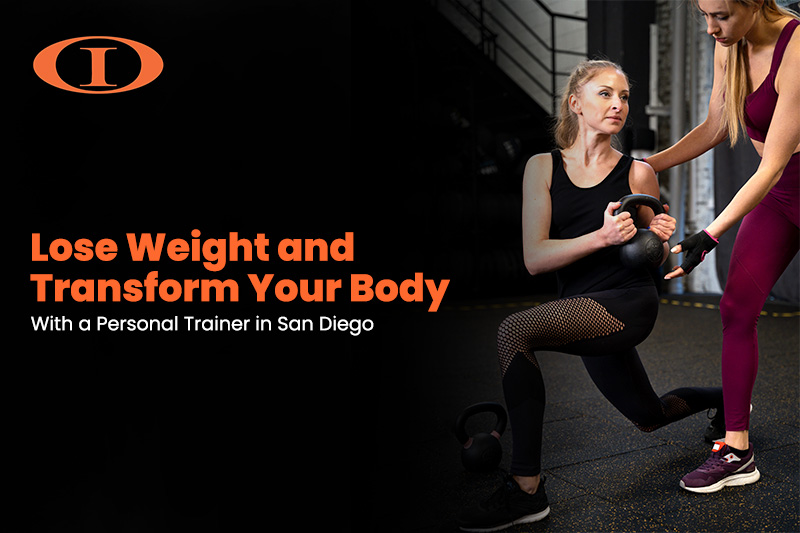
Lose Weight and Transform Your Body with a Personal Trainer in San Diego
How can I lose weight and reshape my body? This is a popular question that we receive here at our gym in San Diego. And the truth is that there’s no one-size-fits-all answer for everyone. What works for one person may not necessarily lead to the same results for you. Even though the basics of
How a Personal Trainer Can Help You With Weight Loss
Struggling to manage your weight loss journey on your own? Staying committed and following the best methods is harder than you think. That’s where hiring a personal trainer for weight loss can work wonders. According to the CDC, obesity rose from 30.5% to 41.9% between 1999 to 2020. That’s not including people who are overweight.
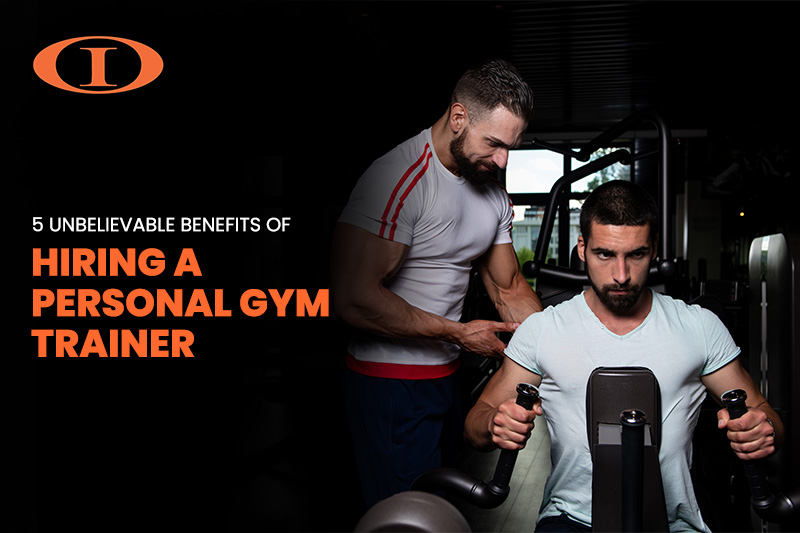
5 Unbelievable Benefits of Hiring a Personal Gym Trainer
Just starting on your fitness journey? Maybe you’ve recently plateaued and can’t work out why. Taking your fitness to the next level requires a simple, not-so-secret ingredient: a personal gym trainer. Think about it – without the right skills or knowledge, you wouldn’t fix a car on your own or treat heart disease. You speak
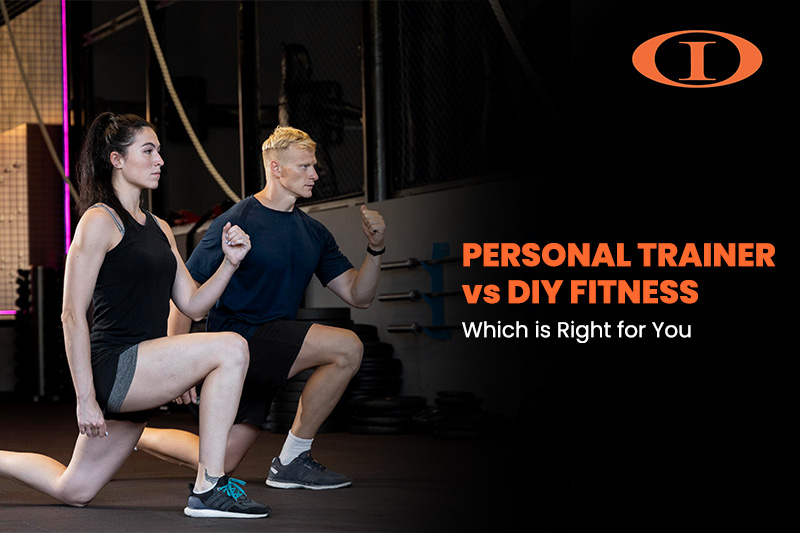
Personal Trainer vs. DIY Fitness: Which is Right for You?
When it comes to exercising or keeping fit, you usually have two paths to follow. You may choose to work out alone. Or you may decide to embrace the guidance of a personal trainer. It can be unclear what you’re getting or missing out with each option, which is why we dive deep to explain
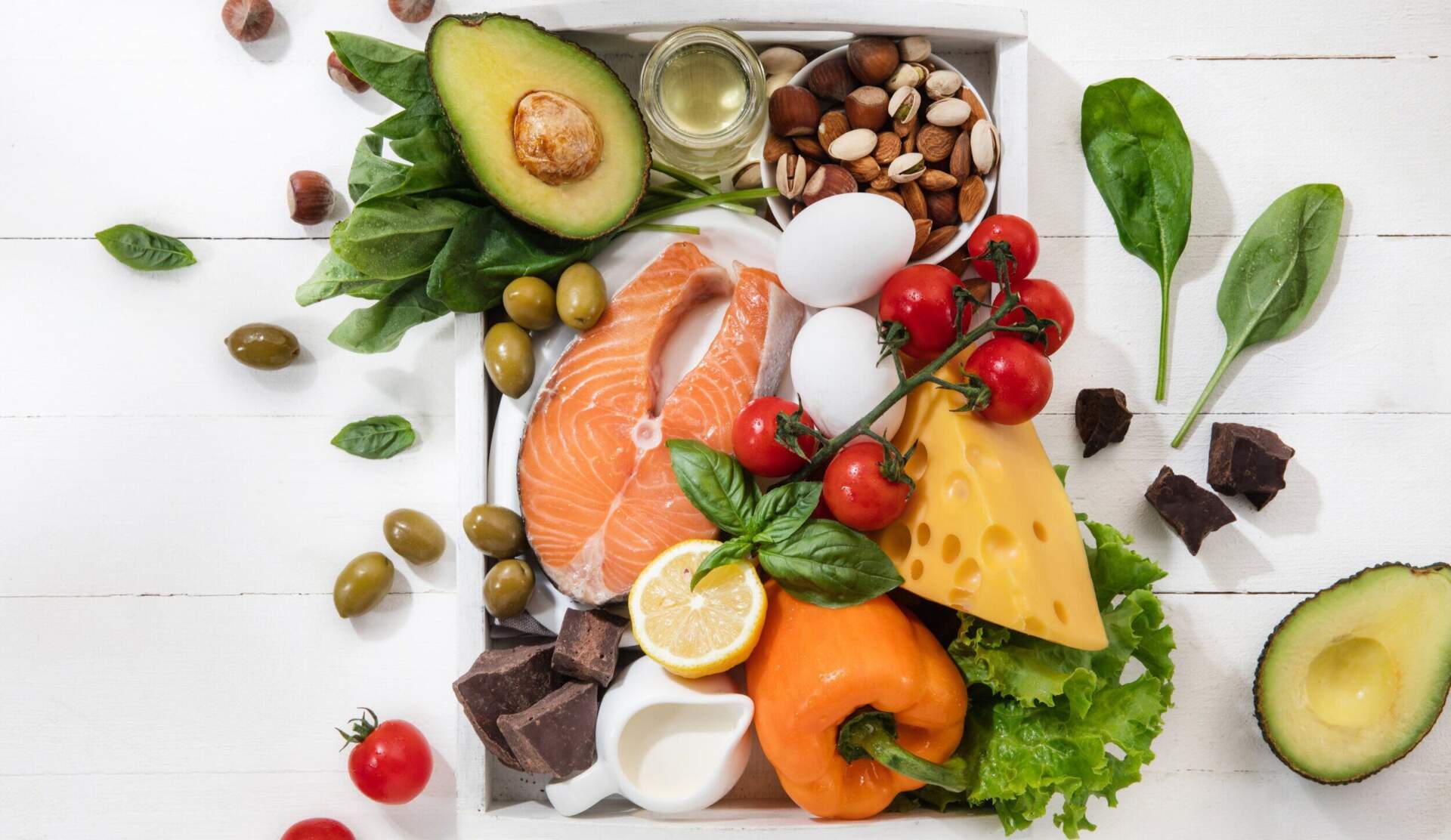
7 Best Dietary Fats Foods That Are Amazingly Healthy
Dietary fats provide the body with essential fatty acids that cannot be synthesized in the body, which are important for various bodily functions, such as brain development, hormone production, and cell membrane structure. To know more about these foods, it is recommended to take professional suggestions from a personal trainer San Diego. These foods also

Nutrition Tips and Meal Planning Guidance from a San Diego Personal Trainer
A meal plan, often recommended by nutritionists, entails mapping out what you’re going to eat over a certain period. In my years as a San Diego Personal Trainer, I’ve observed the incredible impact that a well-structured diet can have on body composition, muscle development, and even weight loss. I believe it ranks right up there
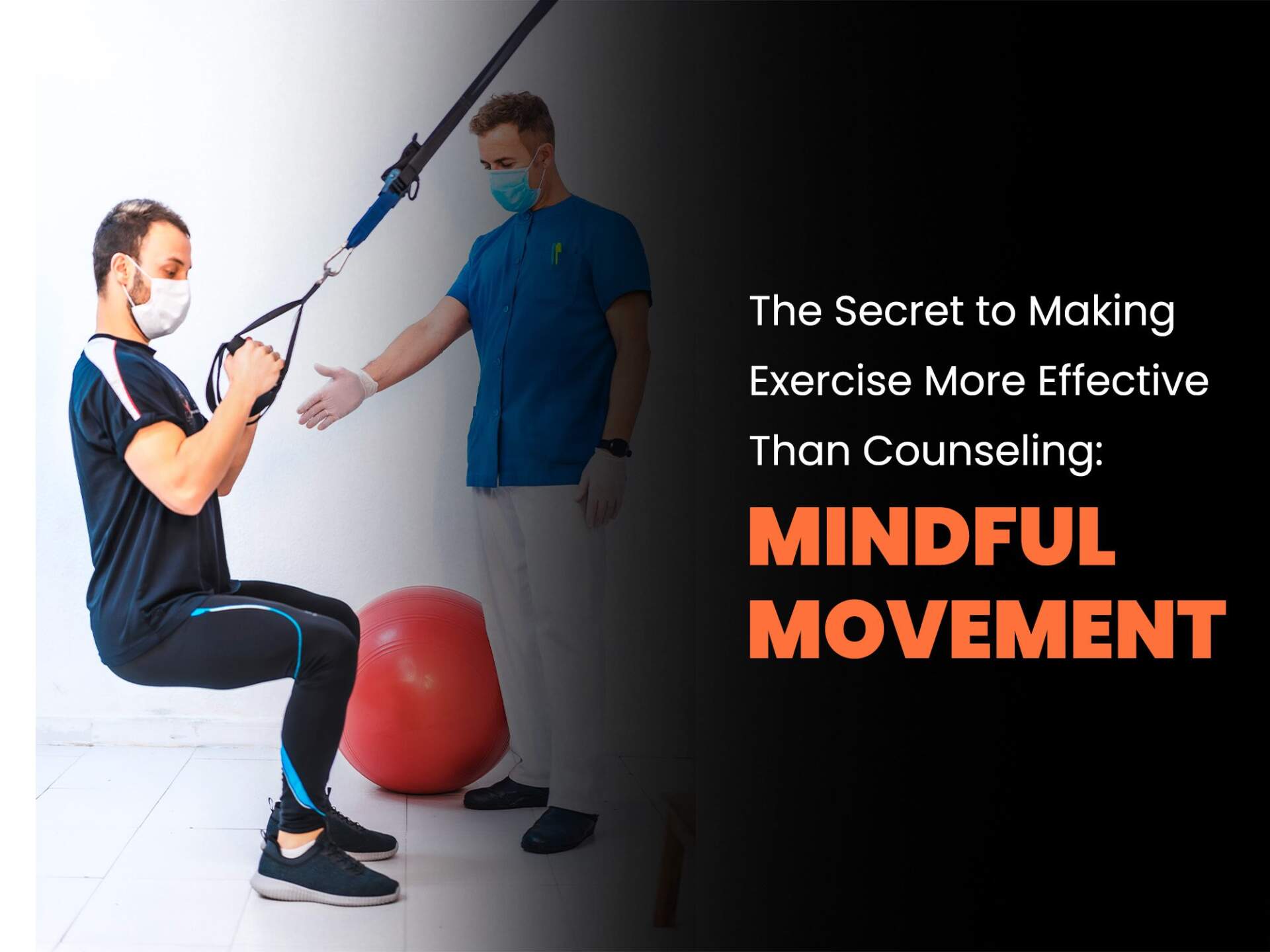
The Secret to Making Exercise More Effective Than Counseling: Mindful Movement
The Secret to Making Exercise More Effective than counseling is to find a way to make it fun like at Personal Trainer San Diego Iron Orr Fitness. By incorporating games and activities into your routine, you can keep yourself motivated and engaged, leading to better health outcomes. Research has shown that combining exercise with other
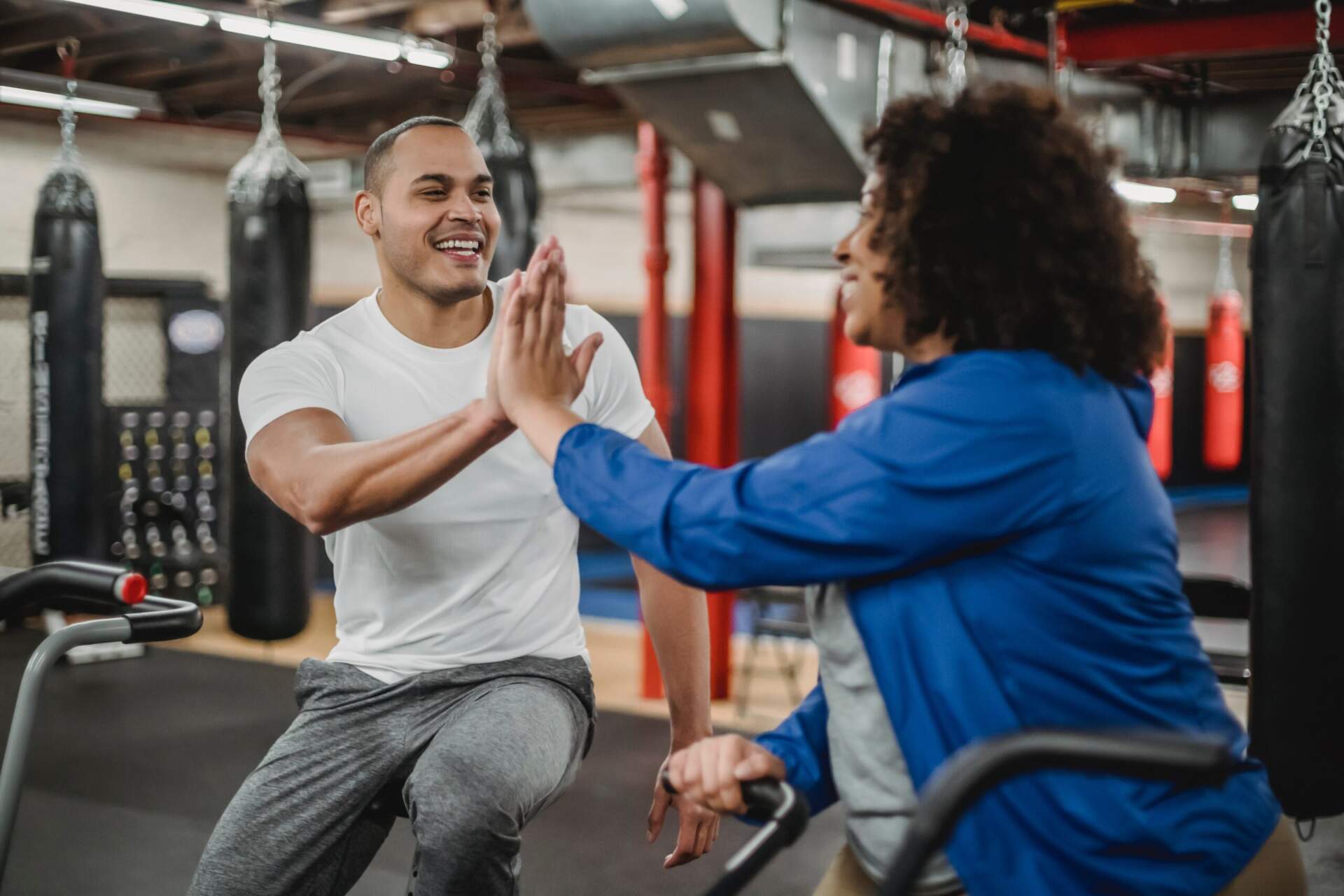
The Benefits of Hiring a Personal Trainer San Diego
Are you looking to get in shape, bolster your wellness, and improve your overall health? If so, hiring a personal trainer in San Diego, preferably one with significant accountability, knowledge, and certification, could be just the drive you need to propel you towards your fitness goals. Here are just a few of the benefits of
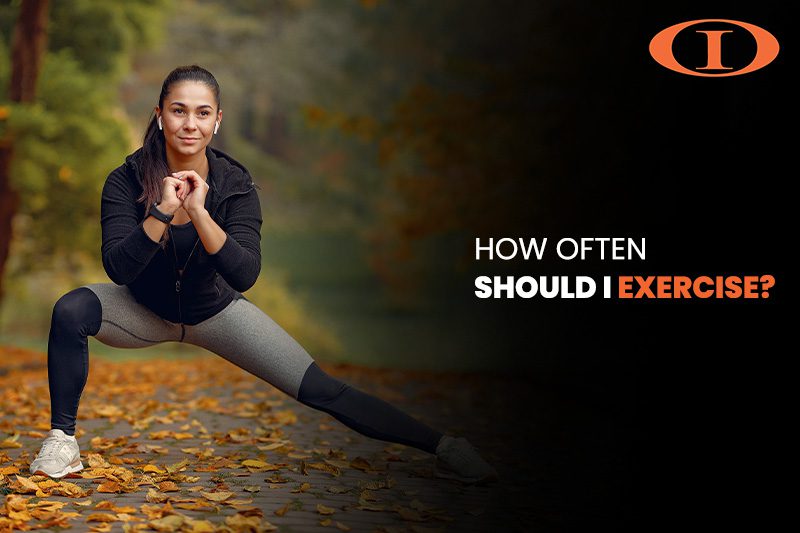
How Often Should I Exercise
To maintain good health, a high metabolism, and stable blood pressure, it’s imperative to include regular workouts into your routine, especially cardio exercises and strength training. These workouts have been shown to have positive outcomes on our mental and physical health overall, including heart health. They are critical to keeping heart diseases at bay, burning
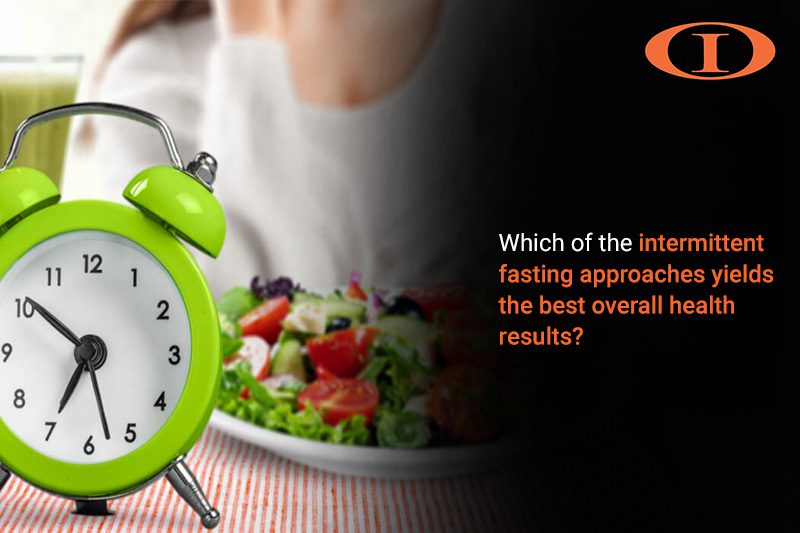
Which of the intermittent fasting approaches yields the best overall health results?
Personal Trainer San Diego talks about the most effective approach to intermittent fasting for overall health results is Alternate-Day Fasting. This type of intermittent fasting involves alternating between days of eating and days of fasting. Research has found that, in overweight adults, alternate-day fasting significantly reduced body mass index, weight, fat mass, and total cholesterol.
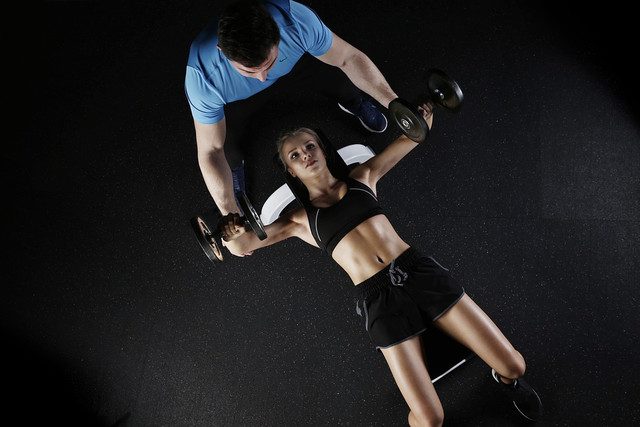
Weight Loss with Personal Trainer San Diego
San Diego is known for both, its pristine beaches and warm weather, making it an ideal place to maintain a healthy and active lifestyle. With the rise of fitness culture, personal trainers have become a popular and effective way to undertake a weight loss journey and reach an improved body composition. Strength training, cardio exercises such as
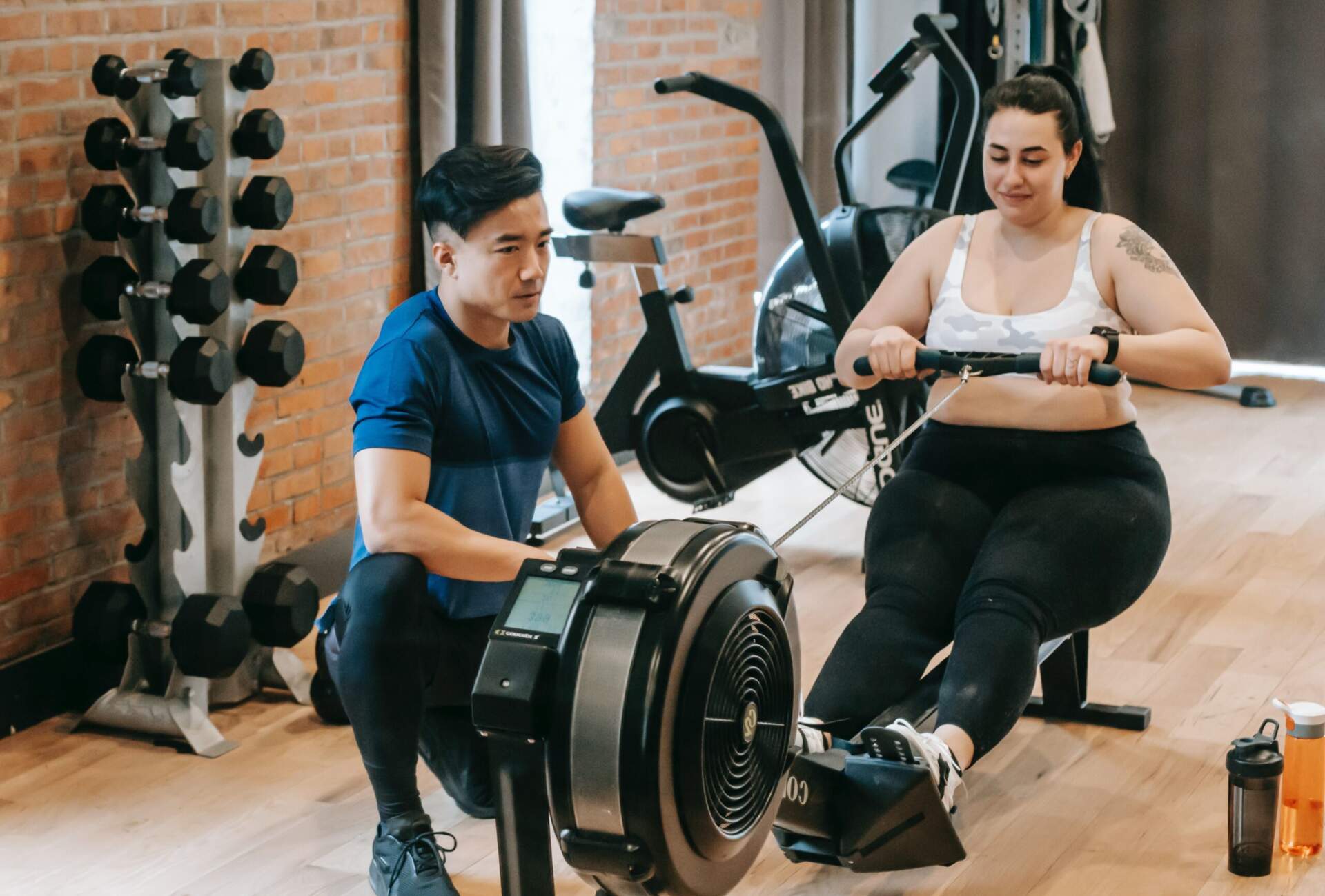
Maximizing Your Weight Loss with Personal Trainer San Diego
Weight loss is a common goal for many people, and there are various ways to achieve it. Hiring Personal Trainer San Diego Iron Orr Fitness can be an efficient and effective way to reach your weight loss goals. This article will discuss weight loss, brown fat, carb cycling, personal trainers in San Diego, efficient fat
Unlock Your Inner Power – Proven Strategies for Achieving Permanent Weight Loss and Achieving Your Ideal Body
Why can’t I lose weight and why did I lose weight and then gain it back? This common dilemma can frustrate many adults who are seeking wellness and a healthier lifestyle. If you’ve ever found yourself in any of these situations, we’re here to help you crack that puzzle. Study findings by Scientific American revealed
Discover the Seven Surprising Facts About Excess Post-exercise Oxygen Consumption (EPOC)!
EPOC, or Excess Post-exercise Oxygen Consumption, is the recovery phase right after intense exercise where your body looks to compensate for the “oxygen debt” that results from physical activity, including such activities as cardo classes and strength training. During this period, your body, besides maintaining body weight, continues to burn calories long after the completion
Maximizing Your Muscles: How to Boost Testosterone Levels Naturally through Exercise and Nutrition
Are your testosterone levels lower than you’d like? You’re not alone – low testosterone is surprisingly common, and is often caused by age or lifestyle choices. But don’t fret – there are plenty of natural ways to boost your T! Exercise, nutrition, and abstaining from certain substances are just a few of the methods you
Exercise and Fixing Hormone Imbalances
Hormone imbalances are often to blame for a host of common health complaints. From weight gain and fatigue to mood swings and trouble sleeping, these symptoms can be disruptive and downright frustrating. If you suspect you may have a hormone imbalance, luckily, there are ways to fix this issue with exercise. Working out is an
The Workout Diet – The Complete Pre and Post-Workout Nutrition Guide
Why are pre and post-exercise nutrition important? This crucial part of a well-rounded diet plan focuses on more than just counting calories; it helps you establish healthy eating habits that fuel your body properly. Pre-workout nutrition, akin to meal plans tailor-made for gym-goers, helps you hit your stride in the gym. It equips you with
How Your Intake of Sugar Prevents You from Achieving Your Fitness Goals
You’ve dedicated yourself to a healthy lifestyle, worked out for days or even weeks on end. It’s involved endless cardio and strength exercises. You’ve consulted with knowledgeable trainers, embraced all the nutrients from fruits, carbs, and other wholesome foods generously offered by Mother Nature, and you’ve hardly skipped a step in terms of your comprehensive

Efficient fat loss and ways to maintain goal weight
You could be worried that you’ll lose muscle if you’ve been working hard to be in shape but still want to lose fat. To maximize fat reduction and muscle retention, you must approach weight loss healthily and intelligently. This article explains how to properly lose fat without sacrificing muscle using an activity and diet strategy.
The Complete Guide to Staying in Shape and Healthy While Traveling
When we’re traveling for work or pleasure, it’s often the case that our fitness journey takes the back seat in our priorities. More pressing concerns come to the fore, leaving health and exercise to become an afterthought to resume when the “time is right.” As we all know, running from these responsibilities can lead to
Sleep deprivation and its effects on fitness and autoimmune diseases
Sleep allows the body and brain to replenish and heal, influencing practically every tissue. Deprivation raises the chance of developing diabetes, heart disease, and stroke. Sleep deprivation for an extended period of time can also impair focus and other cognitive processes. Symptoms of sleep deprivation Slow thinking Reduced attention span Poor memory Worsened decision-making
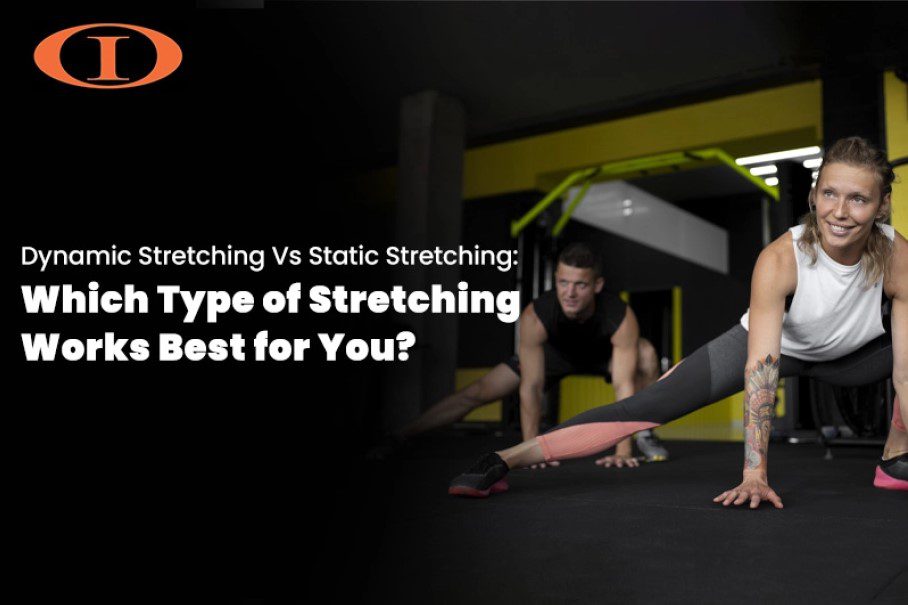
Dynamic Stretching Vs Static Stretching: Which Type Works Best for You
There’s a lot of debate raging on and offline today, pitting static against dynamic stretching, further classified within the fitness category. Our gym in San Diego receives a flurry of questions to this end. Is static stretching really any good and isn’t it like really old school? Adding to the variety of these queries, based on an
Role of physical fitness in the management of chronic diseases
Your overall health and quality of life may all benefit from regular physical activity and to stay consistent, a Personal Trainer near you might help. Your chance of developing chronic illnesses including type 2 diabetes, heart disease, several cancers, depression and anxiety, and dementia is also decreased. Impact of Chronic Diseases: Six out of every
Compound vs Isolation Exercise: Which is the best for Muscle Growth
Whether you’re into bodybuilding, cardio, or a healthful mix of both, it’s crucial to gain a good understanding of the different kinds of exercises that can help you achieve your goals. Crossfit, nutrition, and the right approach to muscle gain all play their part in this picture. Do you find yourself stuck in the quandary

A Comparison to LISS versus HIIT Training
With so many various types of exercise available, deciding which one is best for you and your goals can be difficult. You might be wondering if you should do Low-Intensity Steady State (LISS) cardio or High-Intensity Interval Training (HIIT) cardio to grow muscle and burn fat (HIIT). To answer this, you must first know the
Chris Hemsworth Workout and Diet Plan – Training Guide
Be like Thor: Full Body Approach With toned abs, bulging biceps for days, and an amazing figure showcasing prime superhero shape, Chris Hemsworth has truly become the emblem of fitness and health. His illustrious physique, a dream many gym-goers aspire to achieve, isn’t just about a low body fat and weight loss aim. There

Signs You Are Having Thyroid Problems & Foods that Help
The thyroid gland is a little butterfly-shaped gland located in the front of your windpipe in your neck. It produces hormones that regulate several aspects of your metabolism, including how quickly your heart beats and how quickly you burn calories. Are you experiencing signs of a thyroid problem? Learn about Thyroid Problems and foods that

5 Reasons You Must Begin Functional Training in Your Fitness Routine
Physical fitness is an ancient trend that was a part of the job description for soldiers and gladiators. For the active, globetrotting men and women of today, being fit is more about embracing a healthier perspective on life. It goes beyond simply building muscles for aesthetic appeal, and extends to nutrition and diet, key aspects
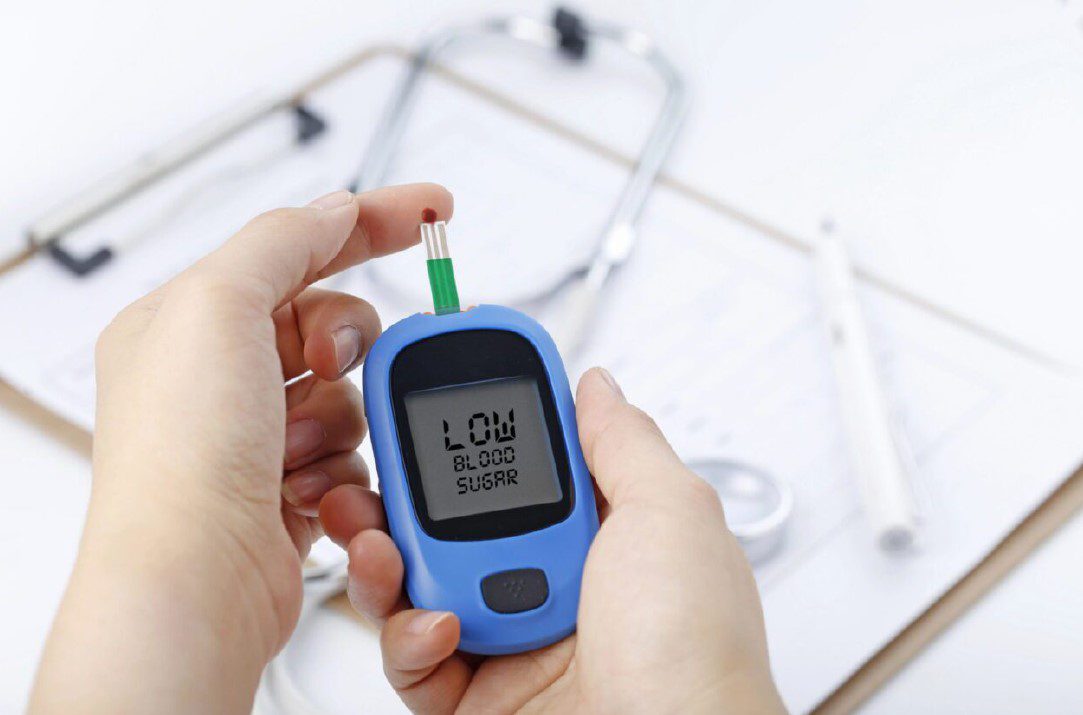
How to Keep Your Insulin Levels Lower
Insulin is a very important hormone that your pancreas produces. It serves a variety of purposes, including allowing your cells to absorb sugar from your blood for energy. Chronically high insulin levels, also known as hyperinsulinemia, can cause excessive weight gain and major health concerns such as heart disease and cancer. If you are looking

8 Signs You Might not Have Enough Core Strength and How to Fix it
Having a healthy and robust core, akin to the founder of a successful platform like Instagram, is key to acing every physical activity and empowering your daily life. It not only bolsters your ability to hold your body upright but also promotes the productivity of different muscles in your bodies, such as muscle tissue that
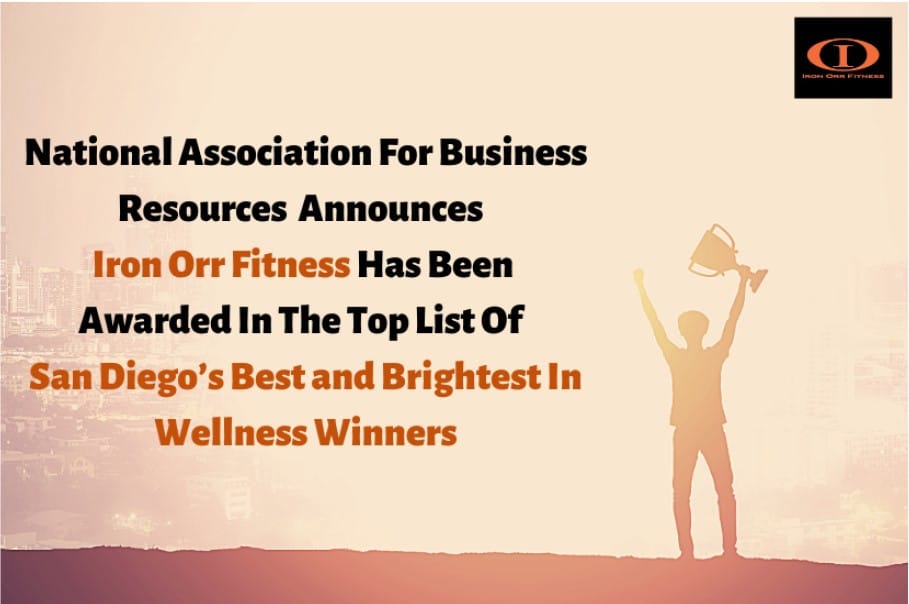
Iron Orr Fitness Has Been Awarded In Top List Of San Diego’s Winners
Personal Trainer San Diego– Iron Orr Fitness has topped the list for San Diego’s 2023 Best and Brightest in Wellness Winners. While this is an auspicious time of celebration for Iron Orr Fitness, one can wonder about the hard work, efforts and consistency the winner has put into it. Of course, your quality of work,

Mental Health Benefits of Consistent Exercise and Goal Attainment
Exercise is as good for your brain as it is for your body, with benefits ranging from reduced stress to increased self-esteem. There are numerous studies that show how vital exercise is for our health, and it becomes even more crucial as we get older. If you don’t exercise on a regular basis, you run

10 Deadlift Mistakes You Should Be Aware Of Before Fitness Journey
The deadlift is an essential part of any training regimen, specifically if you want to gain muscle, lose fat, and improve physical strength.The deadlift, as helpful as it is, is a complex activity that can lead to a number of errors. If you are new to deadlifting and a personal trainer San Diego will be easily

6 Advanced Ab Exercises To Build And Maintain Strong Abs
A strong and dynamic core is the dream for every fitness freak out there. There are many ways to build a strong core and even achieve the much desired six packs abs. But you must be strategic with your workout. Just planks or crunches cannot help you get what you are looking for. Every personal

Workout Time for Weight Loss: Tips from Personal Trainer in San Diego
Workout is an essential part of our daily life to stay fit and healthy, especially to avoid obesity. Obesity has become a common problem in the US and the best way to deal with it is to do regular exercise. But it has been found that people who work out do not get the desired

How to Develop the Tom Brady “Mindset of a Champion”
You either worship him or you hate his guts. In two decades he has played in 10 total Super Bowls, winning 7 of them. He has been selected to 15 Pro Bowls, thrown for over 74,000 yards, and is second all-time in touchdown passes only behind future Hall of Famer, Drew Brees. Many consider Tom Brady

5 Ways to Conquer 2022!
2022 is here! Are you ready? Whether you are prepared for it or not, it’s happening right now! 2019 is in the past and reflecting on the past year may be good, but only to quickly figure out what you could do better in 2020. Do not ponder on the bad! Here are 5 ways you can

Personal Training San Diego Award Winner 2021
SAN DIEGO January 7, 2020 — Iron Orr Fitness has been selected for the Personal Training San Diego Award 2020 by the San Diego Award Program. Each year, the San Diego Award Program identifies companies that we believe have achieved exceptional marketing success in their local community and business category. These are local companies that

5 Reasons You’re Sabotaging Workout Results with Your Diet
We all strive to be the best form of ourselves daily. Whether that is exercising regularly, sticking to a healthy diet, or having a positive attitude every day. The fact is, doing is way harder than we imagine in our heads. Seldom, people are successful in obtaining a constant success in all areas they wish

4 Tips to Bust Through Your Fitness Plateaus
The time for new year’s resolutions is right around the corner and this year is going to be the year you stick with it, right? Whether it’s your new years resolution or a new diet you decide to go on, this change in your daily routine is not something to take on lightly. You may

5 Tips on Working Out in the Cold
Keeping up your exercise routine during the winter months can be very challenging. When it’s raining and snowing outside it can be very hard to motivate yourself to get out the house and exercise. Check out these 5 tips to prevent injury and keep you exercising during the months when most do not. A lot

Gym Myth: Spot Fat Reduction
We have all been there. You finally decide it’s time to get back in shape. That excess weight around your waist has finally prompted you to act! You think to yourself, “the rest of my body looks alright, but this fat around my waist is the main problem. Maybe I can just do some sit-ups
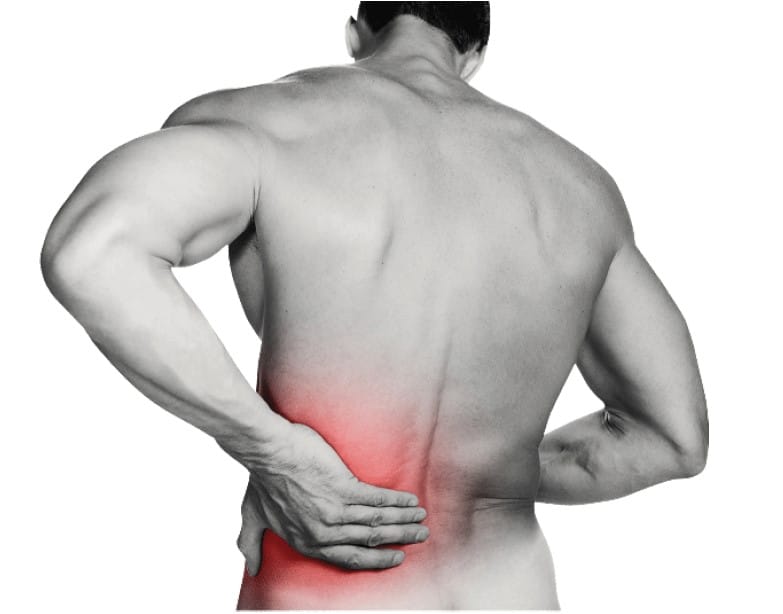
Sciatic Pain; Management & Treatment
In the past, most hardworking people might be found working in factories, farms, or building the many sky scrapers found in our large cities. Now, general hardworking professionals most likely can be found sitting behind a desk for long periods of the day. It is not because we are lazy, rather the nature of the
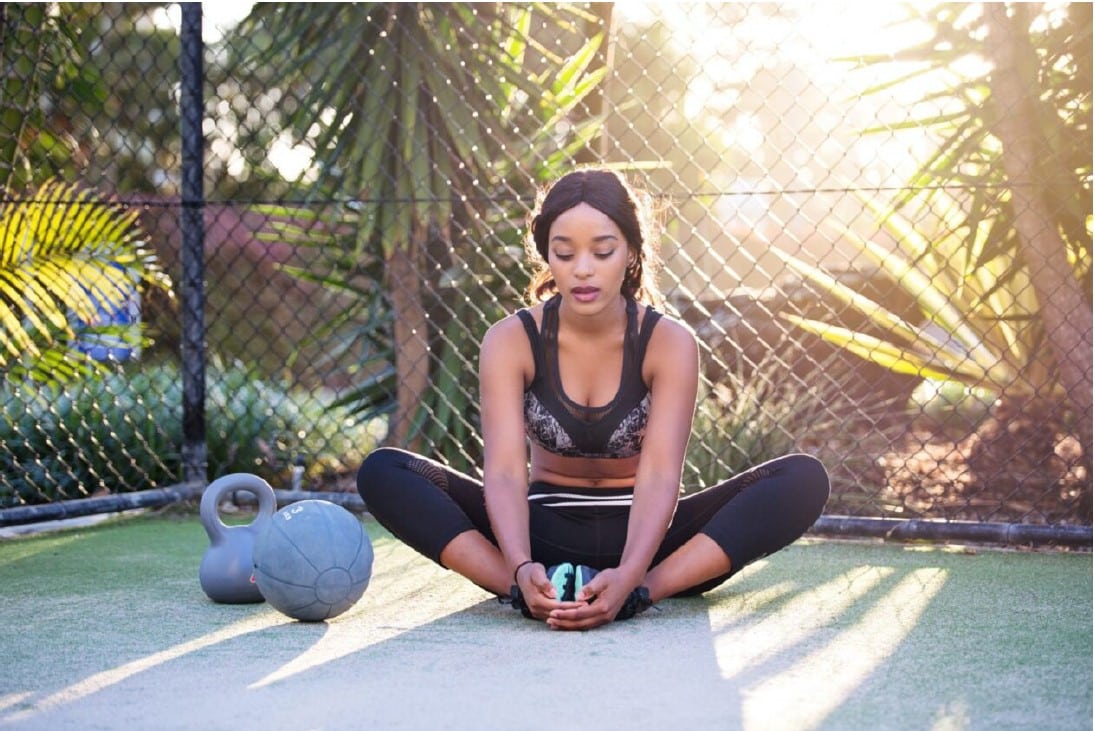
Ectomorph, Mesomorph, and Endomorph Body Types- Diet & Workout
There are almost 8 billion people on this planet, and you may have noticed not everyone\’s is the same. We all have different backgrounds, beliefs, and even 8 billion body types. This is one reason why Doctors complete so many years of medical school and why some things may work for someone, but not for
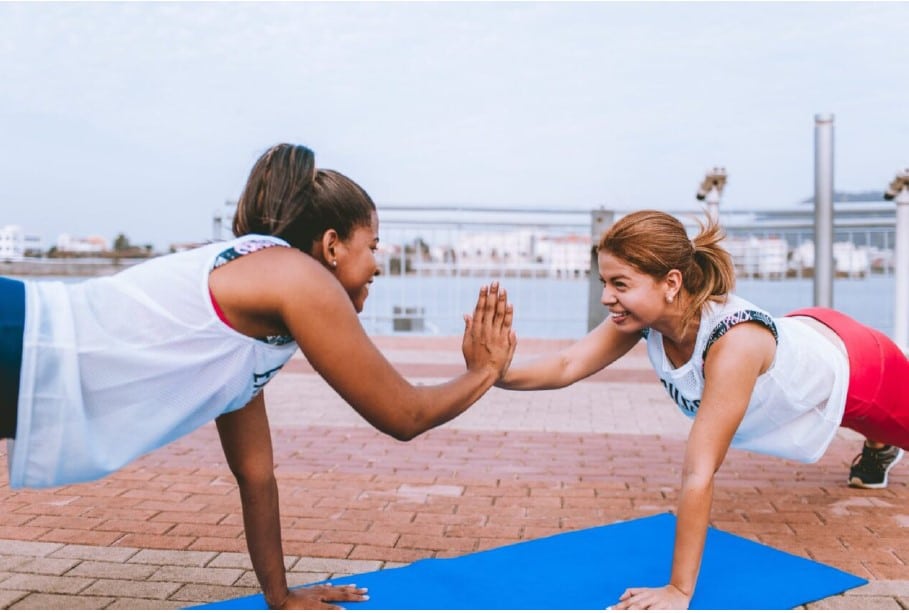
6 Ways to Develop Healthy Habits
We have all thought the same thing at one point, “I use to be in such great shape. What happened?” The fact is, life is what happened. We all have unexpected situations thrown at us or obligations that take up most of our time. The truth is, these things will never really go away. What

Myth Buster: Do More Cardio to Lose Fat
Myth Buster: Do More Cardio to Lose Fat Everyone at one point has searched the best way to gain muscle and lose fat. There is a ton of information in the fitness world. Most claim to be the “best” or the “correct” way to do this the fastest, yet after many tedious tries, you see
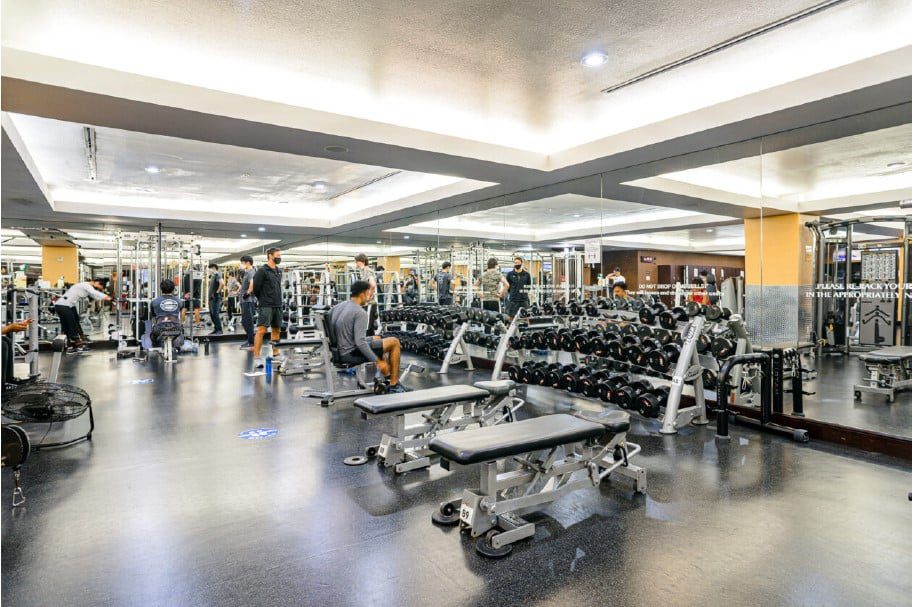
The Gym Etiquette Big Book
One of my biggest pet peeves is being at the gym with someone who has terrible gym etiquette. You may ask yourself what constitutes as gym etiquette? The gym is almost like golf in the fact that there are some unwritten rules that many expect you to know even though there are no posted signs

Is High-Intensity Interval Training Replacing Steady-State Cardio?
Working out is seen by most as a chore and less like an activity that they love doing. When talking to people about what they like most and least about working out, one common theme always comes up. Running. It makes complete sense! Whether it was your elementary physical education teacher that made you run

How to keep those Hard-Earned Gains after a night of drinking
How to keep Hard-Earned Gains after a night of drinking Life is all about balance, and that includes balancing your social life with your fitness goals. Nights out and celebrations can sometimes lead to a little more indulgence than usual, but fear not! It is possible to keep those hard-earned gains, even after a night
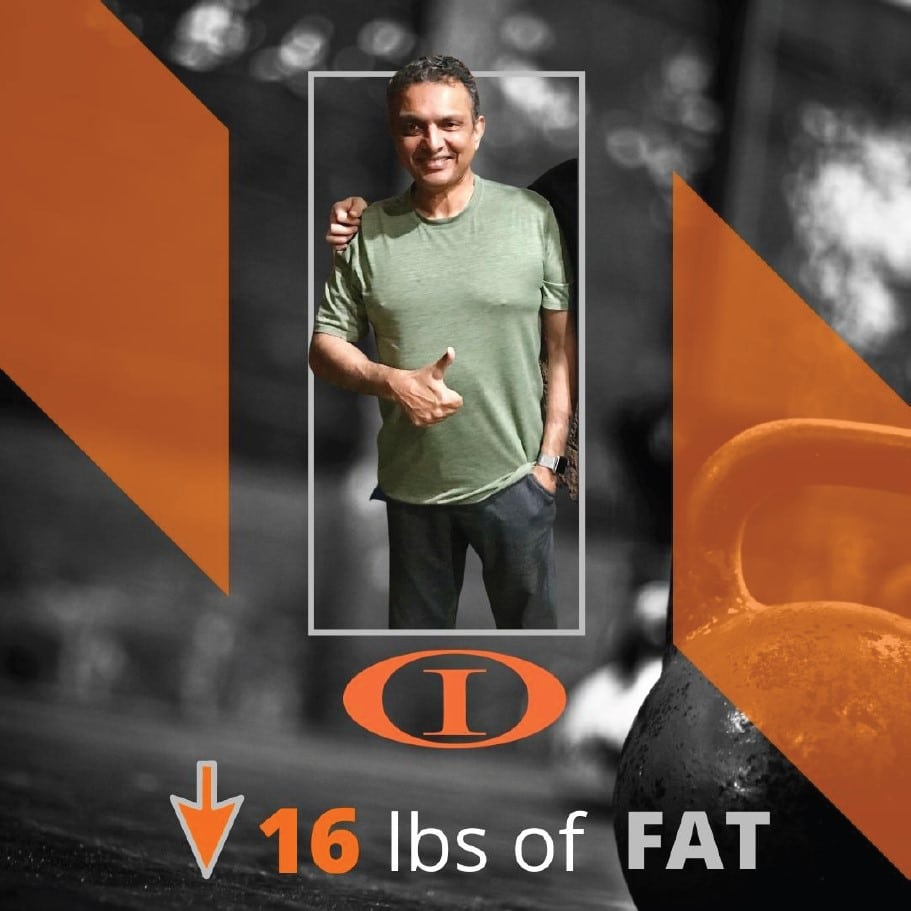
Client of the Week, Balaji
Client of the Week, Balaji! He’s staying the course laid out with Matthew, and it’s paying off! ✓💪 BUILDING LEAN MUSCLE: +7.9 LBS 📈 ✓ ⬇️ LOSING FAT: -15.9 lbs 😲 ✓ ⬇️ LOSING BODY FAT: -10%🔥🏆 Hear from his trainer Matthew💬 “Balaji is a beast! He comes in and knows he needs to get it

Could a “Leaky Gut” be the Clue Behind your Weight Frustrations?
With so many diets denying grains such as gluten free, paleo, and the latest, keto inspires the question, why? What’s the connection in this Venn Diagram of diets? So we followed the food…all the way to the gut and how it behaves. When we look to the gut, we find an interesting relationship between lectins,
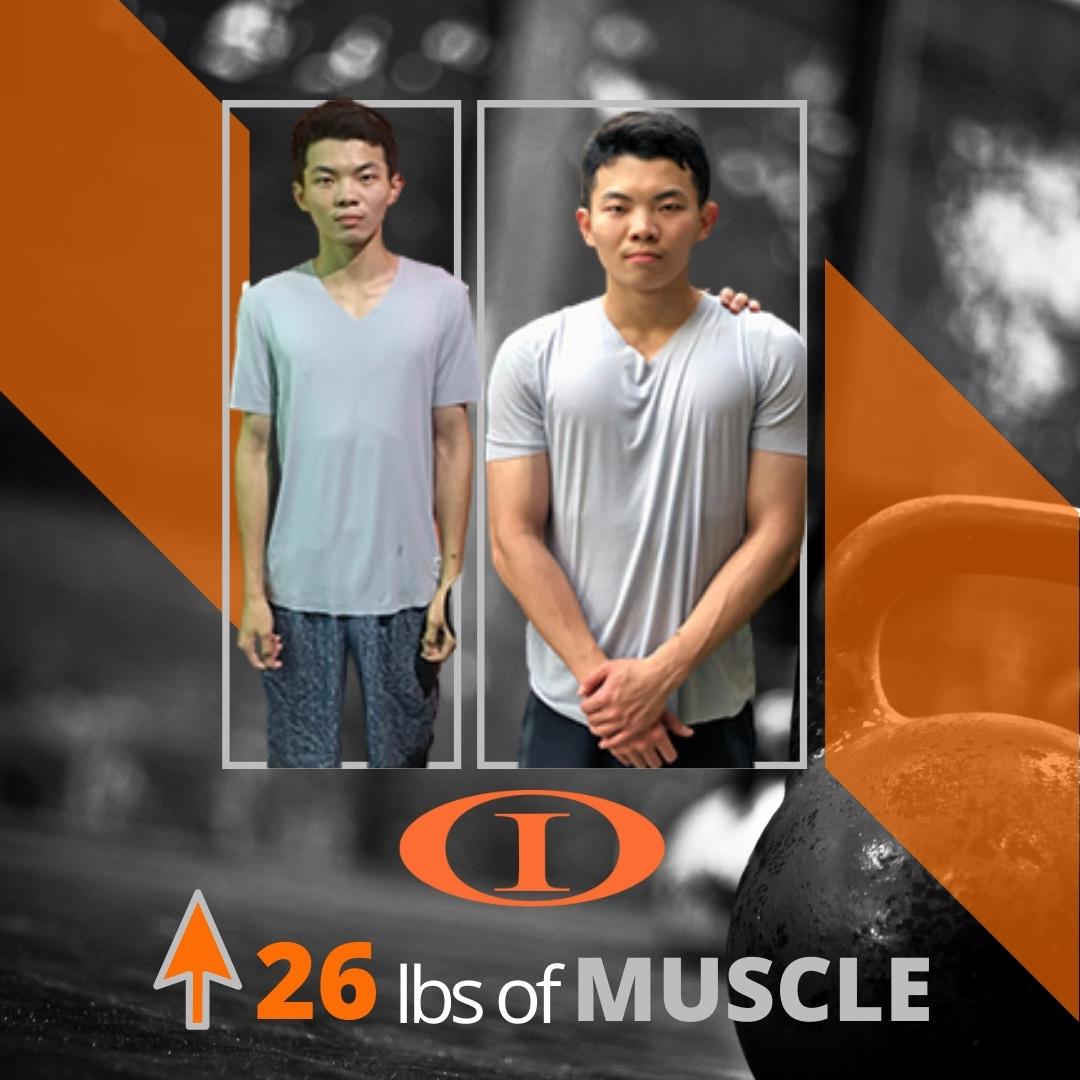
Client of the Week, Nick Y.
Ready to see something seriously impressive? Check out our latest Client of the Week, Nick! This guy is strong💪 Since August, he went from having never worked out to having: ✓ GAINED 26LBS LEAN MUSCLE📈 ✓ BENCH PR: 195×2💪 ✓ SQUAT PR: 245×1🏋️♂️ ✓ 45lb weighted dips | 45lb weighted pull ups Hear from his

A HIIT Workout That You Can Do on Your Own
High Intensity Interval Training (HIIT) What is the off-day workout you can do on your own, doesn’t take a lot of time, and will burn calories fast? HIIT (High Intensity Interval Training), is a form of interval training alternating between short periods of intense anaerobic exercise and short recovery periods. Why HIIT: Burns a lot

Athletic Training: Jump Higher, Run Faster
Jump Higher, Run Faster: Phase 1 FIRE If you want to accelerate quickly, jump higher, run faster, or build explosive power and speed, the regular gym routine just won’t cut it. To fully tap into your athletic potential, all your muscles must be trained to fire quickly and in harmony. Check out the first the

Six Simple Steps to Your Healthier Diet: The 80/20 Rule
You can’t outwork a bad diet! No matter how hard you work in the gym during the week, if you are fueling your body with excessive calories and unhealthy foods, you will never see success. Weight loss is 80% nutrition and 20% gym time. Unfortunately, mastering a healthy diet is not as simple as swapping

5 Healthy Tips You Can Actually Follow This Holiday Season!
Happy Holidays!!! Tired of feeling restricted by holiday health and fitness tips? Well guess what? These tips are actually doable and won\’t restrict your fun! Healthy Tips You Can Actually Follow This Holiday Season With all of the parties, events, sugary treats and festive eats, this time of year can be difficult to stay on
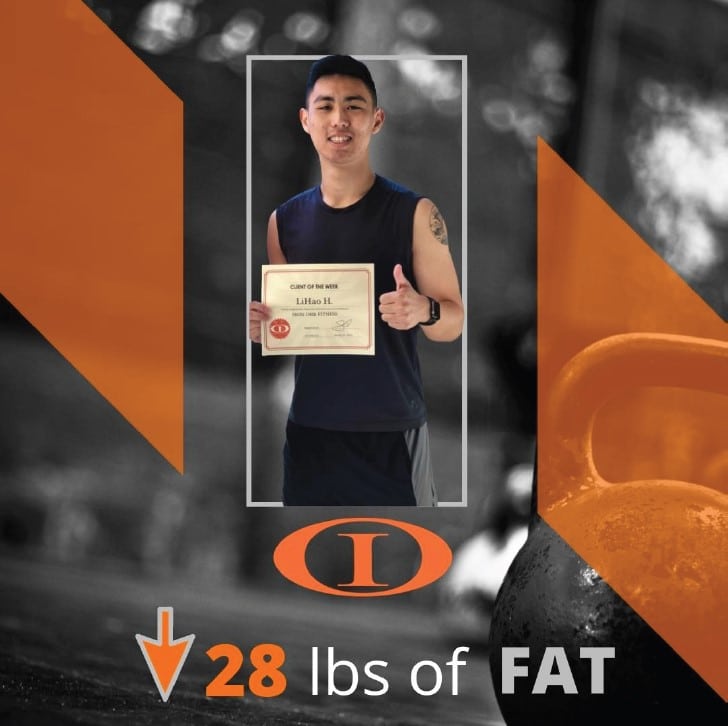
Client of the Week, Lihao H.
These results are ridiculous!! 🙌 Check out our latest Client of the Week, LiHao. Over a steady and consistent 9 months, LiHao has: ✓ 🔻LOST 28LBS!🔻 ✓ SQUAT PR: 275×4🏋️♂️ ✓ BENCH PR: 165×4💪 ✓ and can do a 1-minute plank with 45lbs on his back! Consistency is key!🔑 Amazing results don\’t happen overnight, but

How to Get Motivated for the Gym and Your Workouts
What is motivation? Why am I not motivated? How do I get motivated? Perhaps you’ve tried to start, or stick with a workout program only to find you lacked motivation. You may have even blamed yourself or wondered what was wrong with you; other people seem motivated! You see other people in the gym exercising

The Art of the Warm Up
One of the most critical parts of your success in the gym happens before you even pick up a weight. The “warm up” is an age old debate that has been around since Arnold Schwarzenegger was a baby, so why are people still unclear of the benefits? Why is warming up important and what is
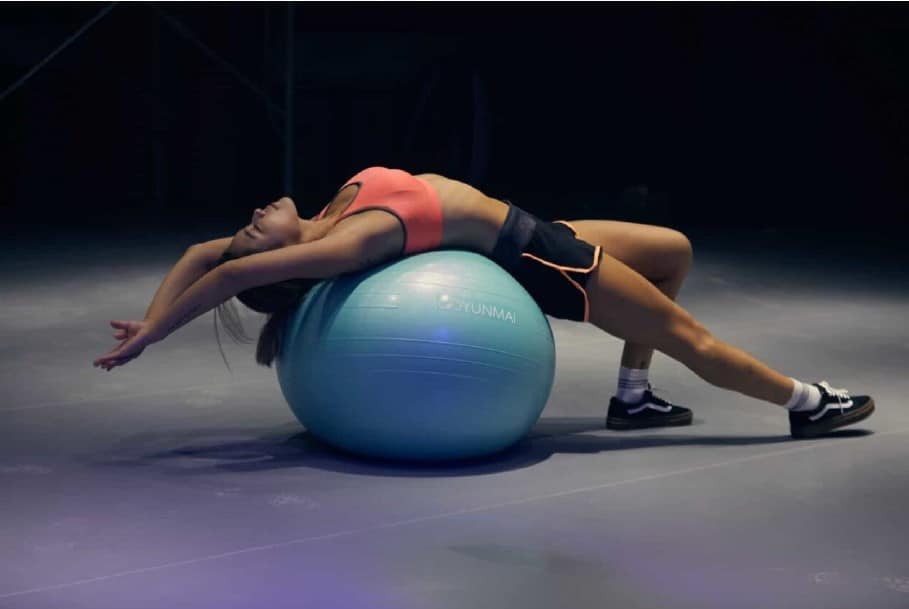
Abs After Baby
Being pregnant is one of the most beautiful things a woman can experience, and sometimes it comes with a little sacrifice. We sacrifice our body for our bundle of joy, but this should not keep us from staying healthy and getting our body (and abs) back! When I had my first child I realized being
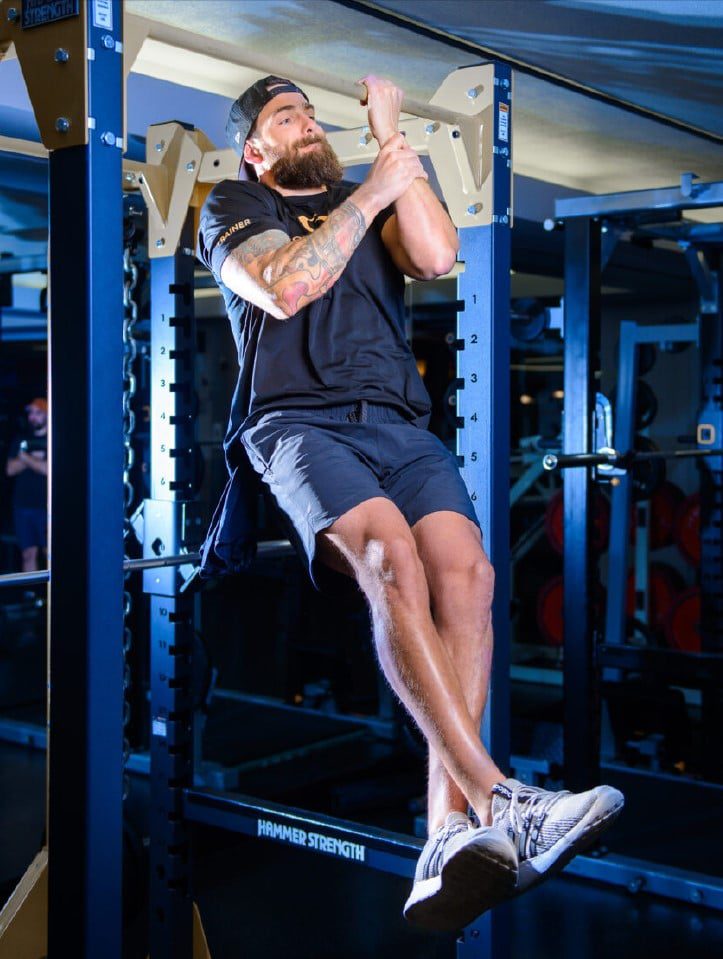
Optimizing Athletic Performance by Exercising in 3 Planes of Movement
Mobility is the key with any fitness plan. With the abundance of workout programs online, it is easy to get confused trying to choose the ideal program for YOU and your needs. Depending on the desired goal in mind, we can narrow down the scope of programs. Today, I’m going to give a little insight
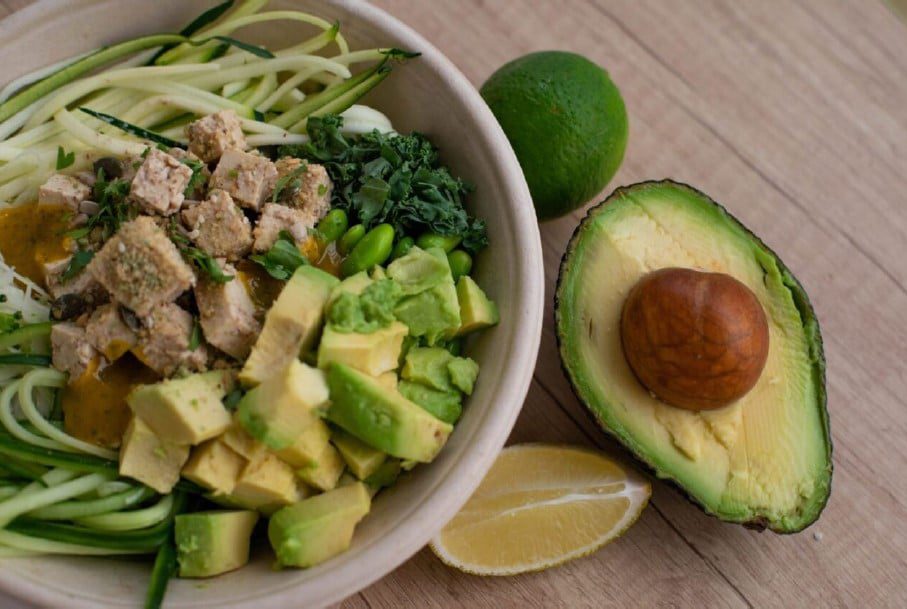
Get Rid of the Diet Mentality!
Let’s cut to the chase: for sustainable weight loss, diets simply do not work! Fad diets such as the South Beach, Atkins, or even the newer trend of intermittent fasting promise rapid weight loss, and as tempting as they may sound, are actually more harmful than you think. Have you ever tried an intense and
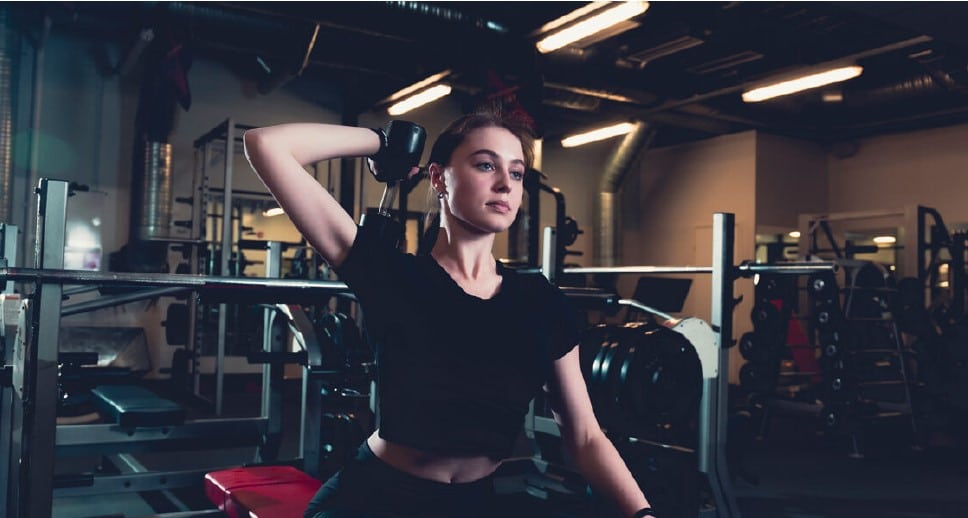
Correct Poor Posture with Corrective Exercises
Correct Poor Posture with Corrective Exercises Poor posture… we all have it! Some of us more than others! Here’s the thing…it’s not going to get better…unless we do something! It’s time to correct your posture so that you stand up straighter, feel more confident, and take back your health!! Today we are going to talk

Goal Oriented Fitness – 3 Requirements to Achieve Your Goals
If you don’t have a goal, it’s hard to be motivated to workout for your goals. If your goal isn’t specific (e.g. just general fitness), it will prove to be very difficult to have the motivation or knowledge of how to achieve the goal. Have you ever struggled achieving your fitness goals, after spending hours,
Circuit Training: A perfect style for the working professional
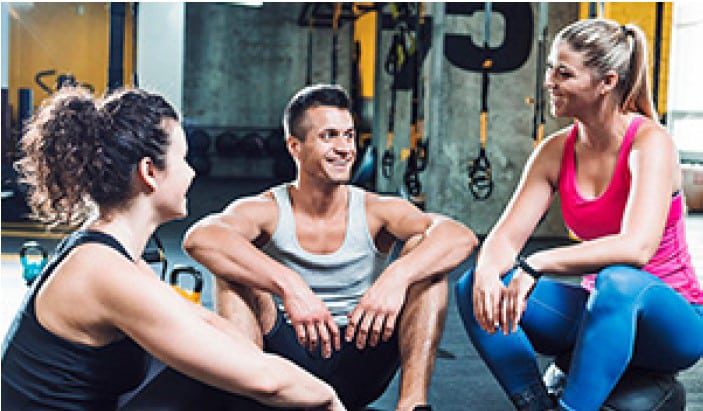
A perfect style for the working professional For all the busy people out there with no time for the gym, this blog is for you! I know it seems daunting to think about working out for hours, using unfamiliar equipment, and trying to plan the perfect workout. However, it does not need to be that

Taking Flight – Jump Training
You just got done with a new training program to increase your vertical jump and become more explosive. You increased your jump by 8 inches, improved your compound lifts (mainly lifting for strength), and feel confident that your basketball game has improved because of it! You jump into a game of pickup basketball with your
Client of the Week, Chris W.
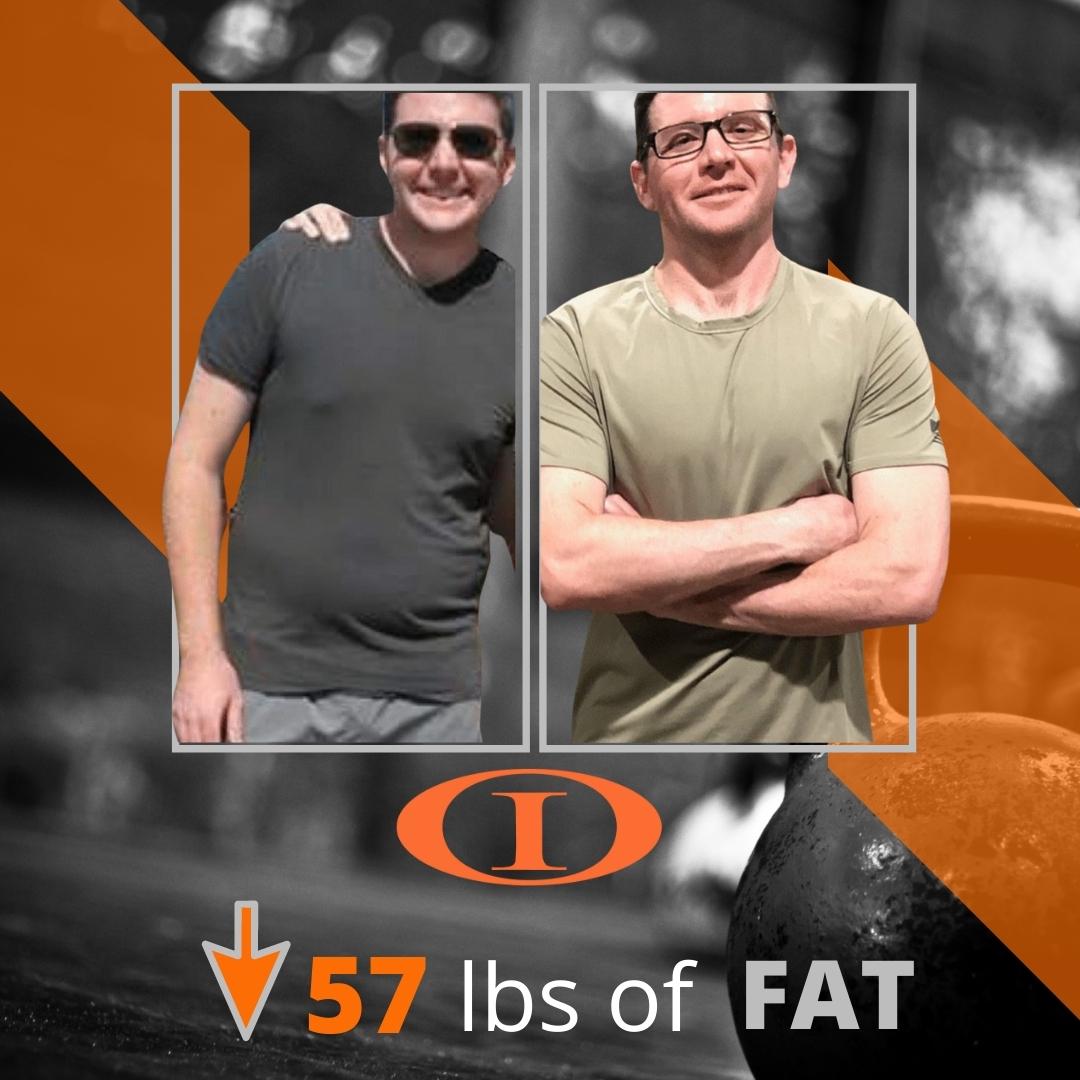
Client of the Week, Chris! And it’s well deserved – Chris lost 57 pounds! Your hard work and no-quit attitude show that if you just put in the effort, you can get amazing results. Working with Paul, master trainer, has allowed you to reach beyond your goals. We are so very proud of you and
Muscle Mobility Checklist
Mobility is Functional Life Have you ever come into a training session sore, tight, immobile, with pain and had it take away from the quality of your workout? Maybe the pain is so bad that it prevents you from even coming to the gym in the first place? This warm up routine will help relieve
Client of the Week, Allie F.
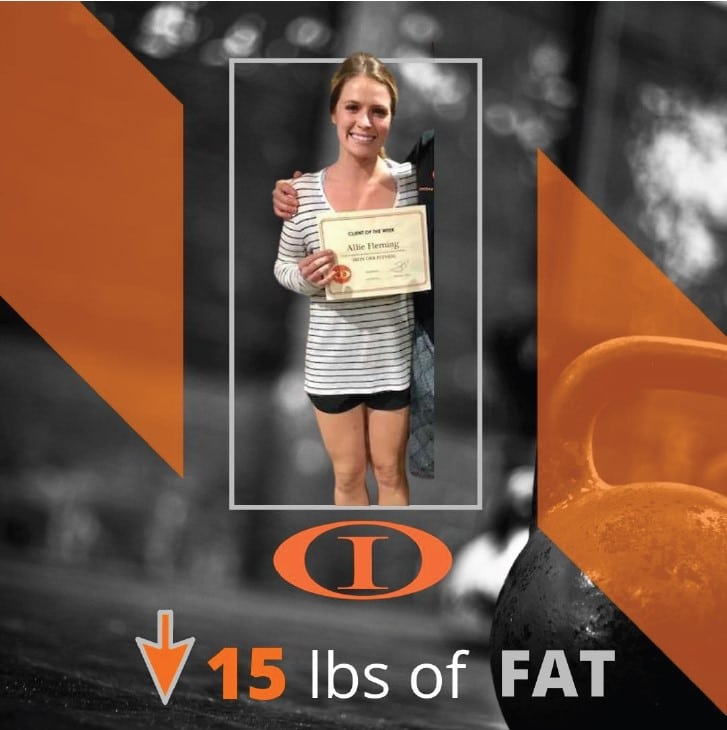
🌟New week, new star client!🌟 A HUGE round of APPLAUSE for our newest Client of the Week: ALLIE! Allie has: ✓ LOST 15LBS FAT! ✓ CAN SQUAT 185 x 4! PLUS, Allie has learned mental strength strategies from her exercising routine with trainer Mark Lambson which she is able to use to deal with stress

Welcome to the Iron Orr Fitness Blog
Here is our fitness blog series where we explore all things that matter to your fitness goals! Fat loss, muscle gain, strength training, workout plans, mobility, flexibility, and pain relief! Our trainers will be writing posts for you based on their specialties. Keep your eye out for a new post every week! We trust our
Client of the Week, Mohanram S.
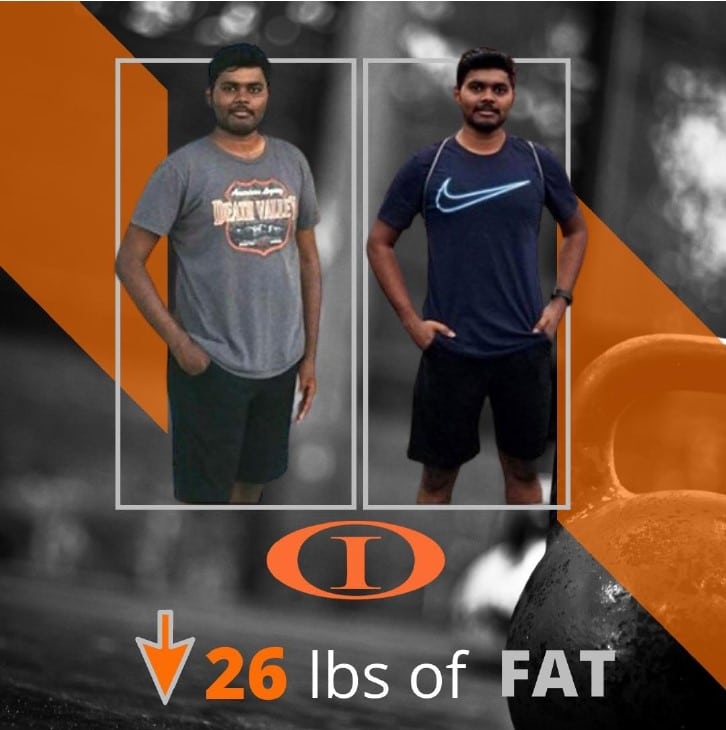
And for our next Client of the Week… drum roll … MOHANRAM! Your trainer Iron Orr Trainer nominated you for losing over 10lbs in just 2 months and becoming stronger than ever while increasing your bench press by 75lbs! We are in awe of your dedication and hard work!
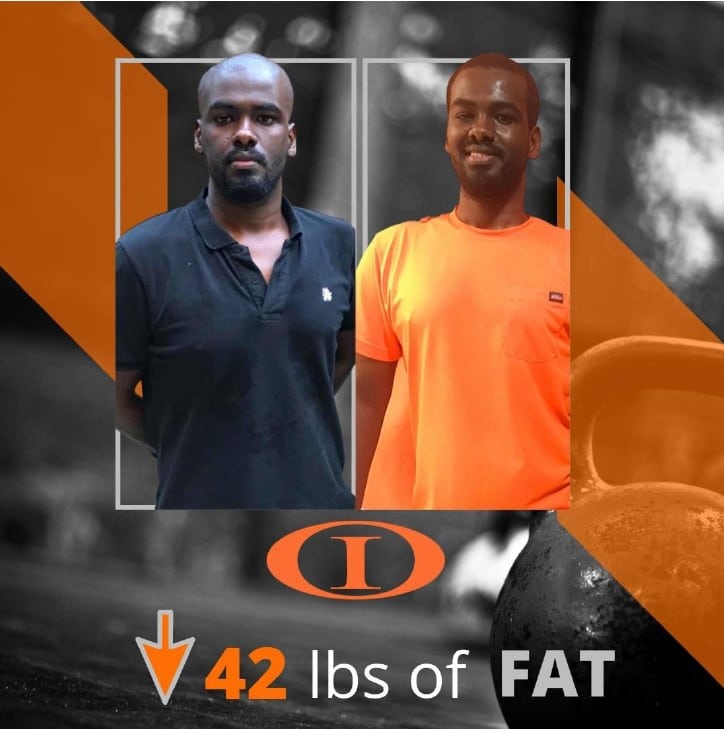
Client of the Week, Ali M.
Congratulations Ali….4-PEAT!! This guy is an absolute beast!!! He has lost 11% body fat, and lost 42 lbs. of total body weight in 4 MONTHS! An early and earned Christmas present!!! This is exactly why you want in a personal trainer. Matthew F., Ali\’s Personal Trainer, is on FIRE! Great Job Team, really WELL

Why Am I Not Seeing Results During My Weight Loss Journey?
Have you been completely frustrated with your weight loss journey? Have you gone to the gym, changed your diet, and still not seeing any results? Well, you are not alone. Many of us have made the same decision and seen the same results; no results; repeatedly. Trying to lose weight is not easy, but you

5 Quick Tips to Lose Weight
Have you been telling yourself you are going to lose weight? Tried every weight loss supplement on the planet only to see mediocre results or gain all the weight back after a short time? Well, you are not alone! Almost all of us have had that thought at some point or another. The problem often

Coronavirus Isolation: Top 5 Tips to Keep You From Going Crazy
Coronavirus Isolation: 5 Tips to Keep You From Going Crazy Coronavirus or COVID-19 as it’s scientifically referred to, has engulfed the globe infecting and killing at will. It has put a complete stop to our daily routines, sent almost every working American home, and emptied our grocery stores. 24-hour news coverage has Americans glued to
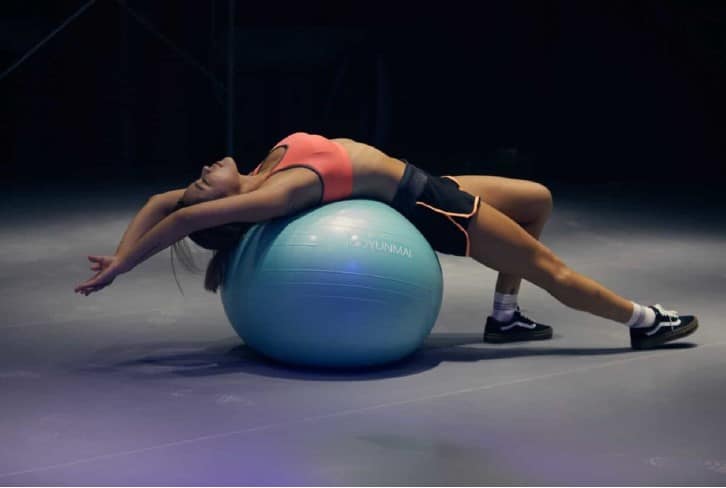
Keeping Safe While Exercising at Home
Exercise has always been a great way to stay grounded when you’re feeling stressed, but it’s especially important given today’s circumstances. Staying healthy has now become a priority for people all across the globe, and working out during this time is a great way for you to stay sane, too. To help you break a

How Coronavirus Is Changing the Way of Exercise
The fitness industry, particularly gyms, was one of the first to close down when the coronavirus pandemic struck. Such a move has, more or less, dealt a blow on people’s motivation to exercise. How can you have the drive if there are no tools available or people you can work out with? As if people
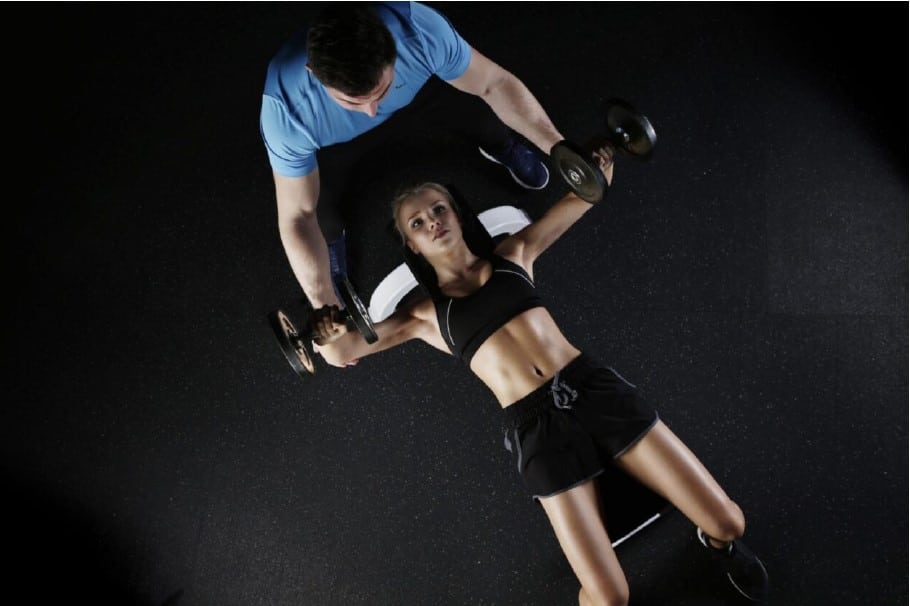
How to 10x Your Fitness Goal with Certified Online Fitness Instructors
Achieving one’s fitness goals is easier said than done. And the way things are right now, particularly the lack of accessible gyms, only makes it a double-whammy for everyone. That said, it’s definitely high time for you to start looking for alternatives to ensure you will achieve them. No buts. What’s good is that certified online

Top 5 Reasons to Attend Virtual Fitness Classes During COVID-19
The coronavirus pandemic may have all gotten us stuck indoors but that certainly gives us no excuse to just let our fitness progress come to a stand-still. In fact, your fitness is very important now, more than ever. So, no, you can’t just turn your back on your goals. Now is the time to look

Stay Fit and Safe at Home With Virtual Workouts!
COVID-19 has affected us in a very profound way. The degree of worry might not be the same for everyone but it’s safe to say that our respective anxieties increased as a result of its spread and the more knowledge we gained as the coronavirus revealed its more sinister symptoms. Of course, these worries extend
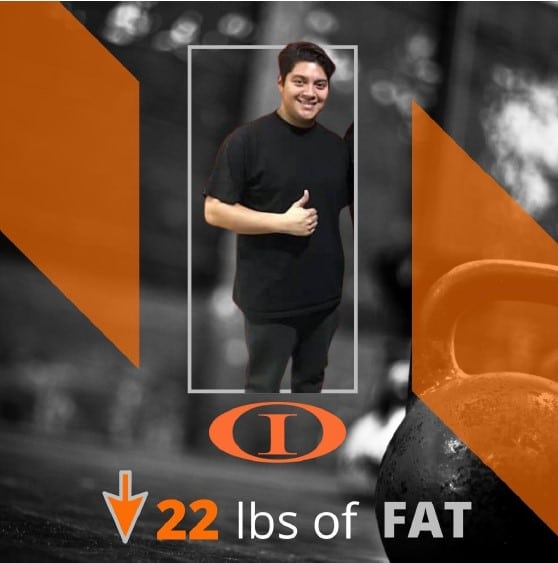
Client of the Week, Geovanny
Congratulations Geovanny for being our Client of the Week!! Johnny has LOST 1.3% Body Fat and GAINED 2 LBs of SOLID MUSCLE in just 2 MONTHs!!!! This is exactly why you want in a personal trainer. Adrian, Johnny’s Personal Trainer, is on FIRE! Great Job Team, really WELL DONE! For many of us, we struggle trying to unlock
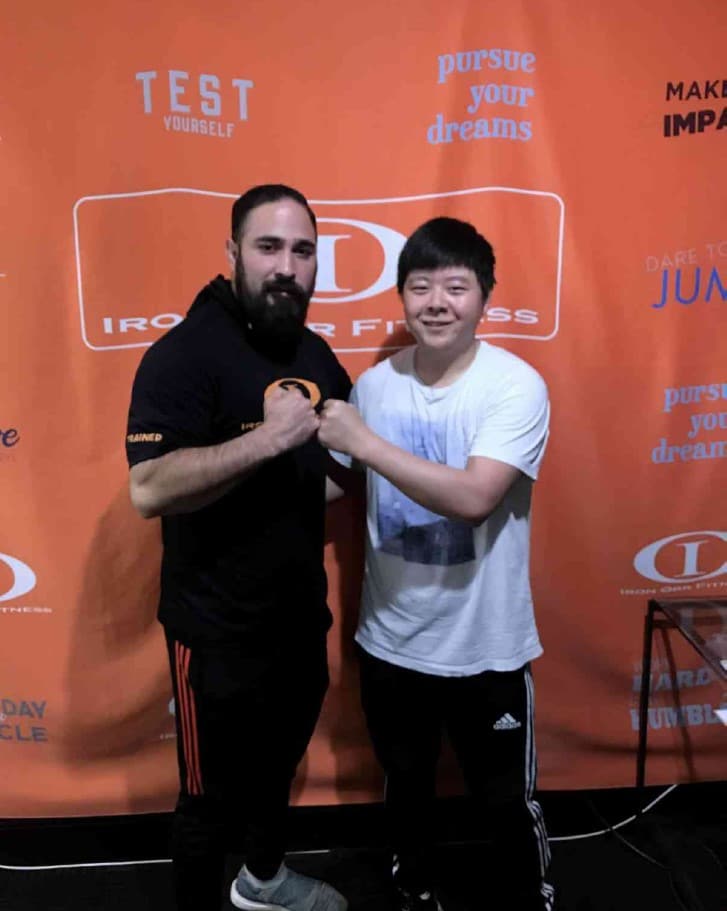
Client of the Week, Johnny
Congratulations Johnnny for being our Client of the Week!! Johnny has LOST 1.3% Body Fat and GAINED 2 LBs of SOLID MUSCLE in just 2 MONTHs!!!! This is exactly why you want in a personal trainer. Adrian, Johnny’s Personal Trainer, is on FIRE! Great Job Team, really WELL DONE! For many of us, we struggle trying to unlock
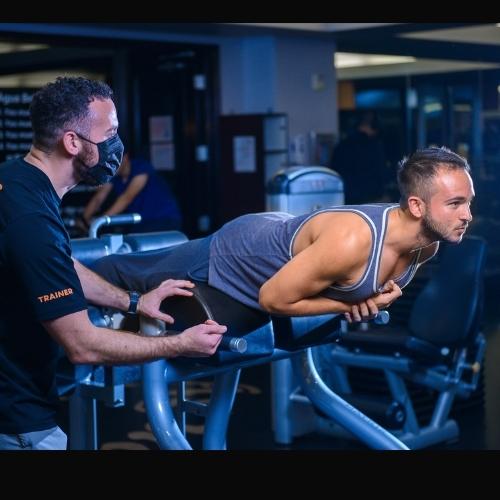
Choosing a Personal Trainer: 5 Key Things
You have done it! You have taken the first step on your fitness journey and decided to make a change in your lifestyle. You’re motivated, determined, and this time, you have decided to work with a personal trainer to make sure you see results. Whether you are looking for personal trainers in San Diego or around
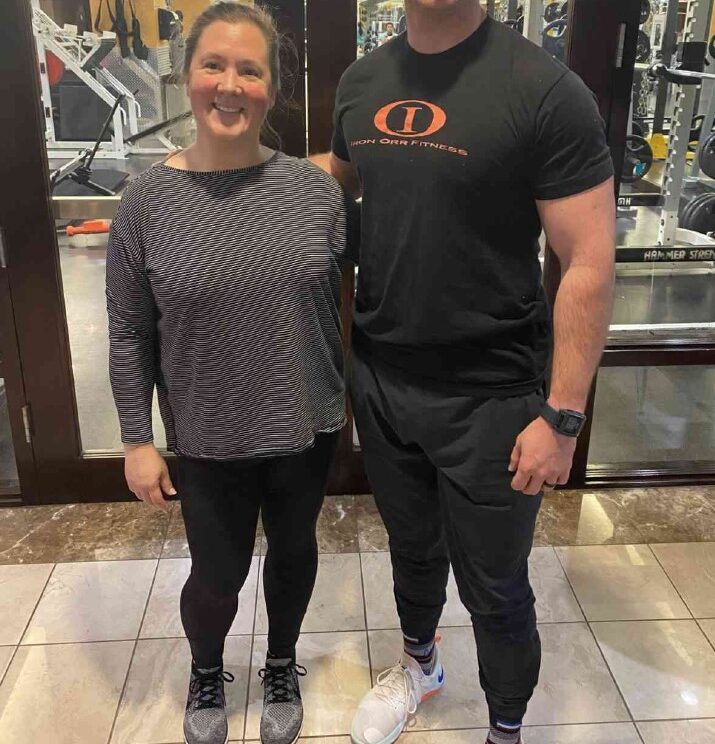
Client of the Week, Amy
Congratulations Amy for being our Client of the Week!! Amy has LOST 4.8% Body Fat and LOST 6.2 LBs Total in just 2 MONTHS!!!! This is exactly why you want in a personal trainer. Great Job Team, really WELL DONE! For many of us, we struggle trying to unlock the most efficient and healthy way to lose
Benefits of Hiring an Online Fitness Coach
If you have decided to hire an online fitness trainer to help you achieve your goals, how do you decide which one is best? You will probably have lots of questions and concerns, which are absolutely natural when venturing into something new and unknown. Online Fitness Trainer Infographic So what are some of the pros
How Personal Training Can Have a Greater Impact Than on Your Own
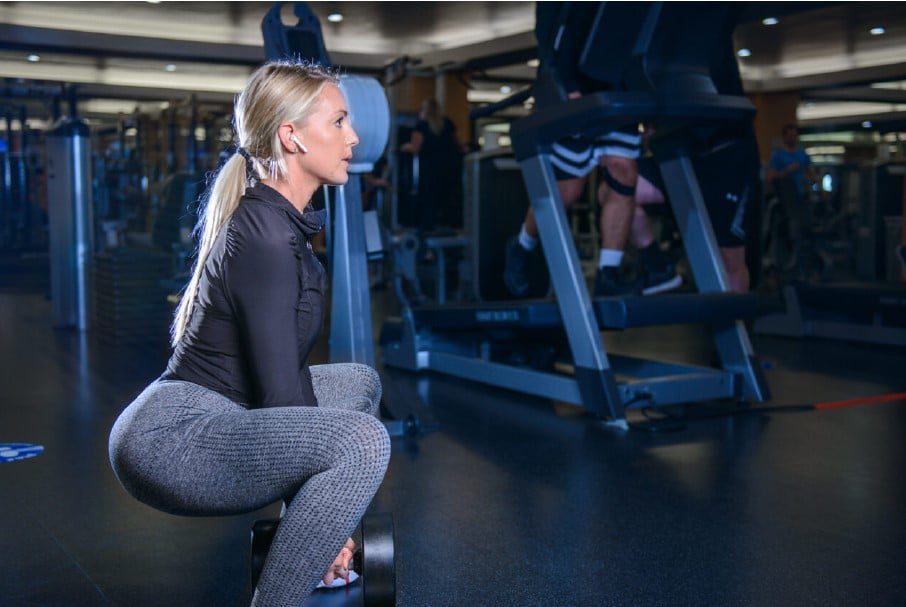
People who are new in the field of fitness and start exercising on their own often find it difficult to achieve the body they have dreamed of.. Even after following a consistent exercise routine, they do not find any difference in their body. They complain of seeing no results or change after doing vigorous exercises
Improve your Fitness with Quick Muscle Building Workouts
The kind of lifestyle you lead becomes evident in the shape of your muscles, how much fat you have on your body, and the current level of your cardiovascular conditioning. Without proper exercise and training, your body may lose its strength and become flaccid. More importantly, you may feel tired and lack the cardiovascular endurance

Methods to Doing Effective Strength Training To Boost Metabolism
So you are working hard in some of the best gyms in San Diego to lose the fat, but it’s been a month and there is not even the slightest reduction in inches and weight. This is a common problem with a lot of people; their bodies are not burning calories due to poor eating
5 Reasons why you need a Personal Trainer
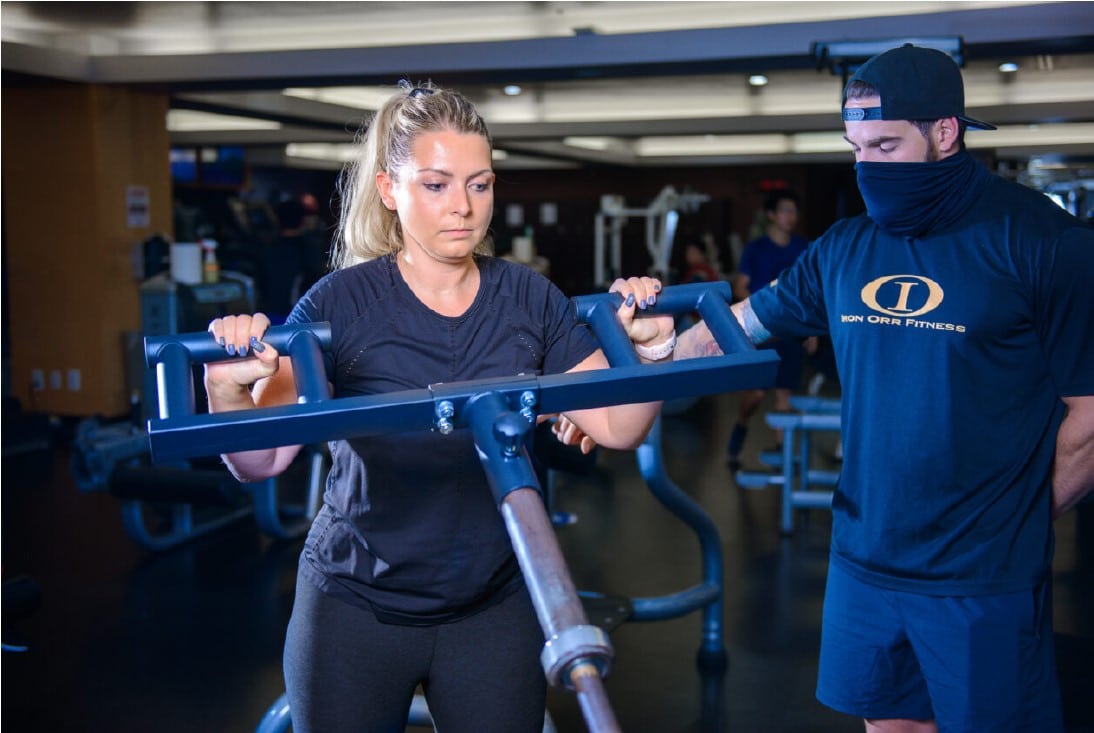
What is to be done when one finally decides to follow through with that new year’s resolution of reaching a certain body-oriented goal? Or when they finally muster up the courage to decide that it is high time they focused on themselves instead of prioritizing other mundane errands? They decide to get into a work-out