
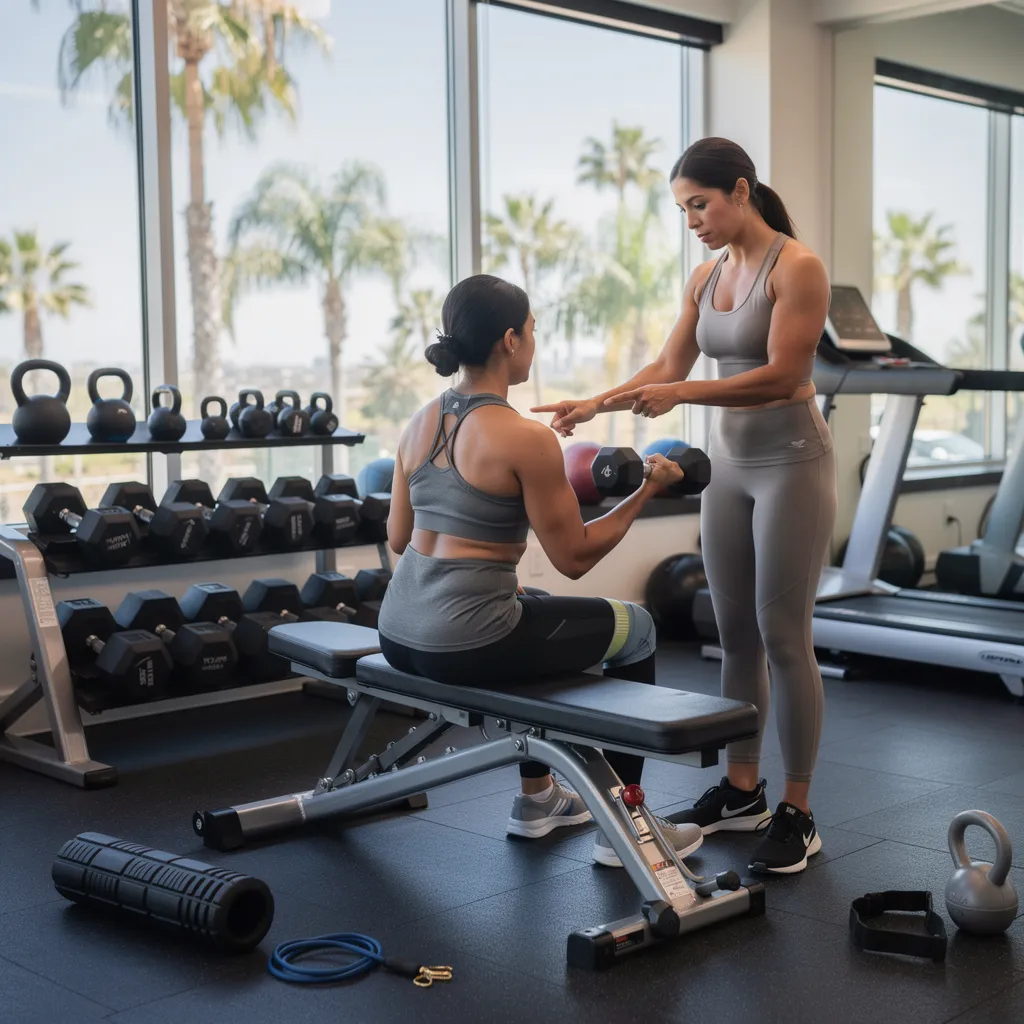
At Iron Orr Fitness, we offer muscle gaining, weight loss, and muscle toning personal trainer services in the San Diego area. Claim your Complimentary, No-Obligation Body Composition Exam with San Diego’s top 1-on-1 Personal Trainer. Sessions begin with aerobic warm-ups, use moderate resistance for 12-15 reps, and progress gradually, correcting imbalances while protecting joints and supporting long-term, pain-free strength gains.
Can You Still Build Muscle With an Injury?
Yes, past injuries and chronic joint pain do not rule out muscle growth. Clients across San Diego build strength every day while managing limitations. Long as training adapts to the body in front of it. Skipping the gym after an injury often costs more than progress: it costs confidence, mobility, and momentum that take months to rebuild.
Iron Orr Fitness operates its personal training studio right here in San Diego, giving local clients a dedicated base for safe, structured strength work. What if I Have Injuries or Limitations When Starting Muscle Building Training? The answer starts with assessment, not avoidance. A certified trainer evaluates movement patterns, range of motion, and pain triggers before assigning a single exercise.
From there, programming shifts around the limitation instead of ignoring it:
- Substitute joint-friendly exercises for high-impact movements
- Adjust range of motion to stay pain-free
- Build supporting muscle groups around the weak point
- Track progress weekly and modify as tolerance improves
Iron Orr Fitness offers muscle-gaining, weight-loss, and muscle-toning personal training throughout the San Diego area. Every core service includes nutritional guidance tailored to the client’s recovery needs and goals.
Does a bad knee or shoulder mean strength training is off the table?
No. A compromised joint simply changes exercise selection, not the goal itself. Trainers often swap barbell squats for supported leg presses or resistance bands, keeping muscles under load without aggravating the joint.
Should clients see a doctor before starting?
Anyone managing a chronic condition or safety concern should talk with a healthcare professional before beginning a muscle-building program. That conversation, paired with certified guidance on-site, gives clients a realistic, safe path toward lasting strength gains.
How Does a Custom Assessment Keep You Safe?
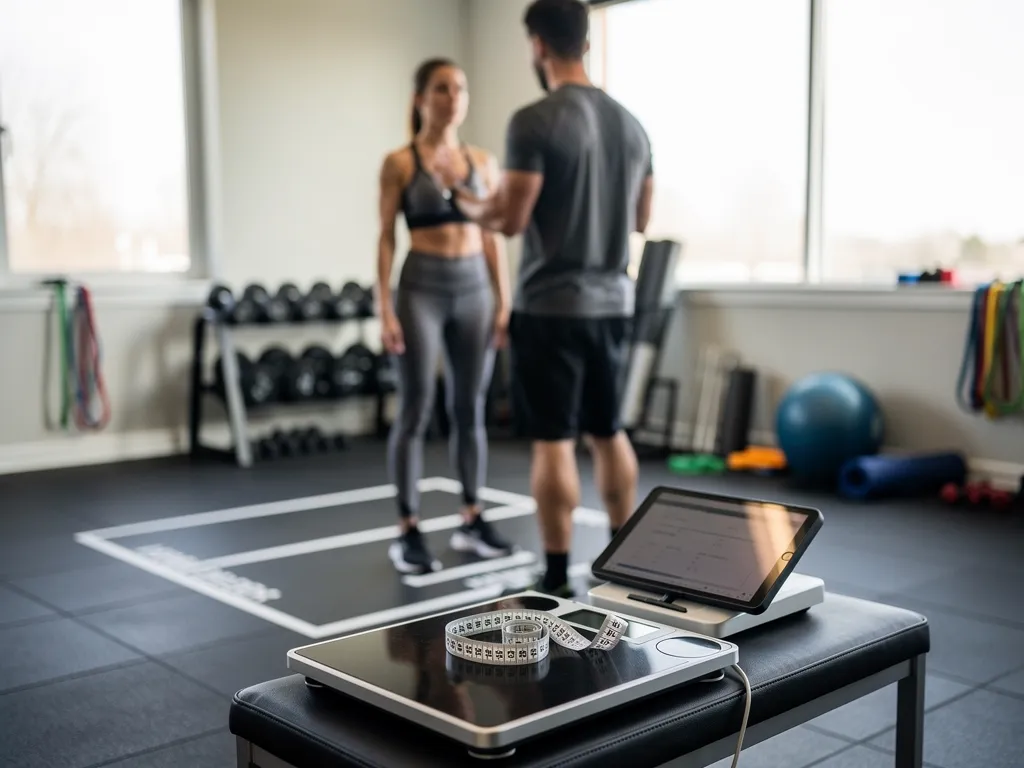
A custom assessment identifies joint restrictions, old injuries, and muscle imbalances before a single weight gets lifted. Iron Orr Fitness begins every new client relationship with a complimentary, no-obligation body composition exam, giving trainers a clear map of where strength exists and where caution is needed. Skipping this step leaves beginners guessing, and guessing is exactly how preventable setbacks happen.
The exam does more than measure body fat percentage. It establishes a safe starting point around existing limitations, whether that means a cranky shoulder, a surgically repaired knee, or chronic lower back tightness. From there, clients work with elite San Diego-based trainers who build programming around specific injury history rather than handing out a generic template.
What Happens During the First Visit?
The first visit centers on evaluation, not maximal lifting. Trainers assess movement patterns, note problem areas, and discuss what if clients have injuries or limitations when starting muscle building training. That conversation shapes every exercise choice that follows, so nothing gets programmed blindly.
Does the Assessment Include Nutrition Planning?
Yes. Every core training service at Iron Orr Fitness pairs workout programming with nutritional guidance. Expert health recommendations tailored to each client’s needs. This matters most for clients managing joint pain or inflammation, since food choices influence recovery speed and training tolerance.
Pricing also removes a common barrier to getting assessed. Sessions start as low as pricing varies per session on larger packs, letting UTC, La Jolla, Carmel Valley, and Del Mar residents begin specialized, limitation-aware programming without locking into a long-term commitment before they know the plan works for their body.
Why Does Strength Training Protect Your Joints?
Strength training protects joints by building the muscles, tendons, and ligaments that surround and support them. Resistance work also corrects muscle imbalances, the kind that quietly cause overuse injuries in knees, shoulders, and hips. For residents in UTC, La Jolla, Del Mar, and Carmel Valley managing old injuries or chronic joint pain, this protective effect matters as much as any muscle gain on the scale.
Weak stabilizer muscles force joints to absorb stress they were never built to handle alone. Strength training distributes that load across a wider network of tissue, reducing strain on any single joint. Better balance and movement control, developed through progressive resistance work, also lower the risk of the awkward falls and missteps that cause injury in daily life.
What if I have injuries or limitations when starting muscle building training?
Certified trainers at Iron Orr Fitness build programs around each client’s injury history rather than forcing a one-size-fits-all routine. Clients recovering from past injuries train under elite San Diego-based trainers who design joint-safe progressions that respect individual limitations. Programming adjusts around pain points instead of pushing through them, so strength returns without reinjury.
Does personal training include guidance beyond the workout itself?
Yes. Every core service at Iron Orr Fitness pairs joint-protective strength programming with nutritional guidance. Expert health recommendations tailored to the client’s goals. That approach includes sustainable nutrition for fitness, supporting joint health and recovery from the inside out, not just through the exercises performed in the gym.
Joint protection, muscle recovery, and nutrition work together as one system:
- Strengthened support tissue: muscles, tendons, and ligaments absorb stress that would otherwise land directly on the joint.
- Corrected imbalances: targeted work addresses the overuse patterns behind recurring joint pain.
- Personalized progression: elite trainers adjust load and movement around each client’s physical history.
What’s the Right Way to Progress Weight?
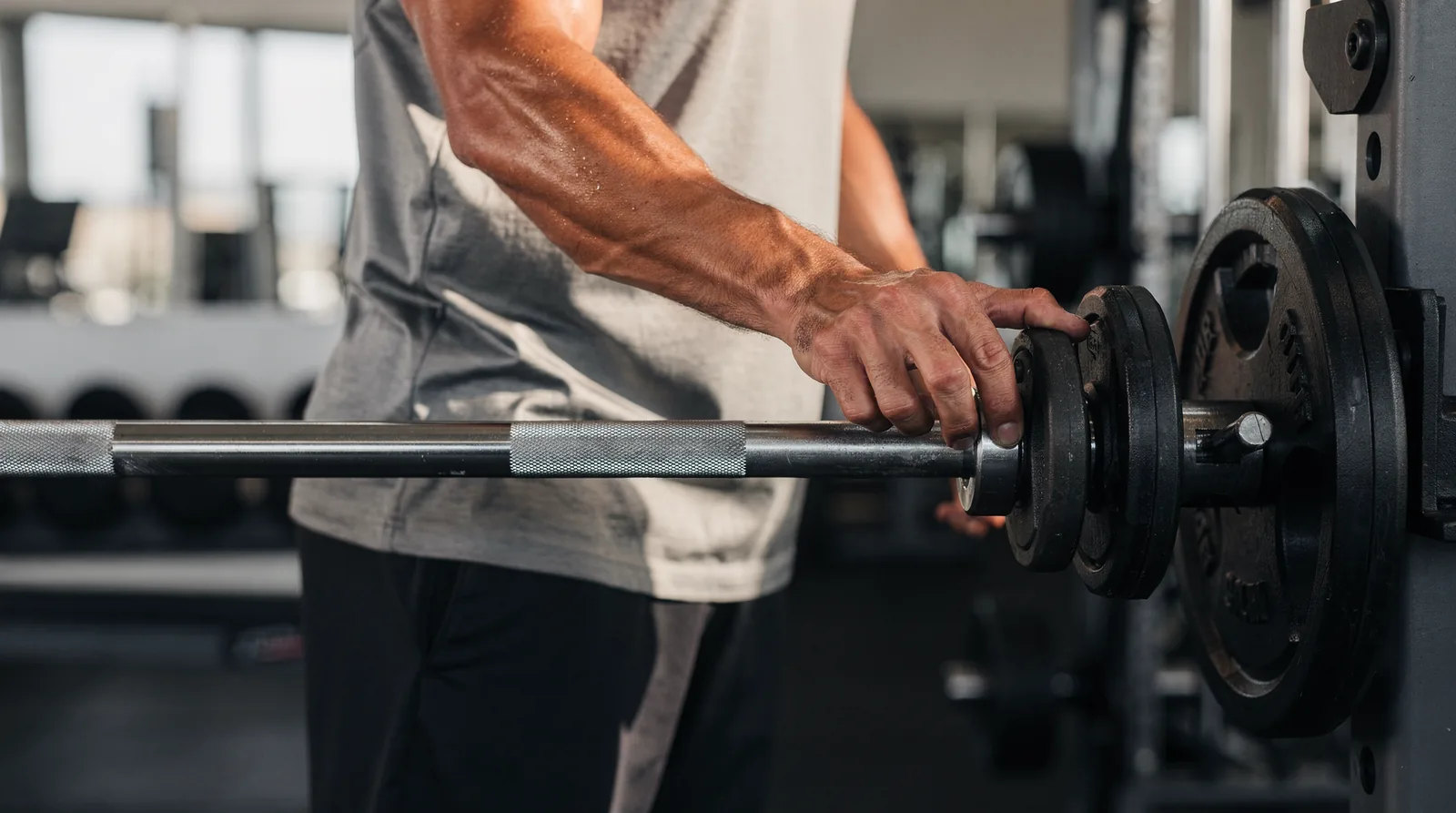
Progression starts with a proper warm-up, not heavier plates. A few minutes of brisk walking or similar light aerobic movement prepares the joints and muscles for work ahead. Lowers injury risk, a step that matters even more for clients managing injuries or limitations when starting muscle building training. Skipping this step is where many setbacks begin.
Once warmed up, the next decision is choosing the right resistance. A weight should feel challenging enough to tire the targeted muscles within roughly 12 to 15 repetitions. That range builds muscle effectively without overloading joints or tissue that’s still healing. When those 12 to 15 reps start feeling easy, that’s the signal to add a small amount of resistance, not before.
How often should resistance increase?
Resistance should increase gradually, only after repetitions become noticeably easier at the current level. Jumping weight too soon undoes the careful pacing that protects joints and connective tissue. Trainers at Iron Orr Fitness track this progression session by session, adjusting load based on how each client’s body responds rather than a fixed schedule.
Does a personal trainer make progression safer?
Supervised progression removes the guesswork that leads to injury. Certified trainers monitor form, repetition count, and recovery, then make small load adjustments at the right time. Iron Orr Fitness structures this process across session packs priced as low as pricing varies per session, giving clients a guided, gradual path to added resistance.
This approach reflects a broader philosophy: sustainable nutrition for fitness and sustainable training go hand in hand, supporting lasting strength gains without unnecessary strain. Clients in UTC, La Jolla, Del Mar, and Carmel Valley benefit from this steady, measured approach, especially when easing back into muscle-building training after time off or injury.
How Do You Safely Return After Injury?
Safe return starts with a diagnosis, not a workout plan. Anyone nursing a persistent injury needs a doctor’s evaluation before loading muscles again. Skipping that step risks turning a minor setback into a long-term limitation that sidelines progress for months.
A proper medical diagnosis gives a client something a generic program never can: a clear recovery roadmap. That roadmap tells a trainer which movements to avoid, which to modify, and when loading can safely increase. Without it, even well-intentioned exercise choices can aggravate damaged tissue.
What Happens After the Doctor’s Clearance?
Clients requesting a complimentary assessment hear back within one hour to get scheduling started. That fast turnaround matters for someone managing joint pain or a prior injury, since momentum fades quickly once motivation dips. Getting a session on the calendar early keeps the recovery process moving instead of stalling in limbo.
Can Muscle Building Still Happen While Healing?
Yes, muscle still responds to smart, limitation-aware programming. Iron Orr Fitness structures its muscle building training around each client’s current physical reality, not a one-size-fits-all template. Muscle-gaining and toning services get tailored to what a joint, tendon, or past surgery can tolerate on a given week.
Programs typically build around:
- Movement screening before loading begins
- Modified exercise selection that protects the injured area
- Gradual progression as tissue tolerance improves
- Nutritional guidance paired with every core training service
This approach reflects a broader commitment to sustainable nutrition for fitness, pairing recovery-conscious training with eating habits that support healing and long-term results. Clients rebuild strength without gambling on reinjury.
FAQ
Can you build muscle while recovering from an injury?
Yes. Clients across San Diego build strength daily while managing limitations. Iron Orr Fitness programming adapts around the body in front of it rather than ignoring the problem.
What happens during a first session at Iron Orr Fitness?
Trainers evaluate movement patterns, range of motion, and pain triggers before assigning exercises. Sessions then open with aerobic warm-ups and moderate resistance for 12-15 reps, progressing gradually while protecting joints.
Does a bad knee or shoulder rule out strength training?
No. A compromised joint changes exercise selection, not the goal. Trainers substitute joint-friendly moves like supported leg presses or resistance bands, keeping muscles under load without aggravating the injury.
Conclusion
In closing, building muscle with injuries or limitations requires patience, proper form, and professional guidance tailored to your unique situation. Your certified trainers understand how to modify exercises, progress safely, and help you work within your body’s current capabilities. With a personalized approach that respects your limitations while challenging your potential, you achieve lasting results and build the strength you deserve, injury and all.