
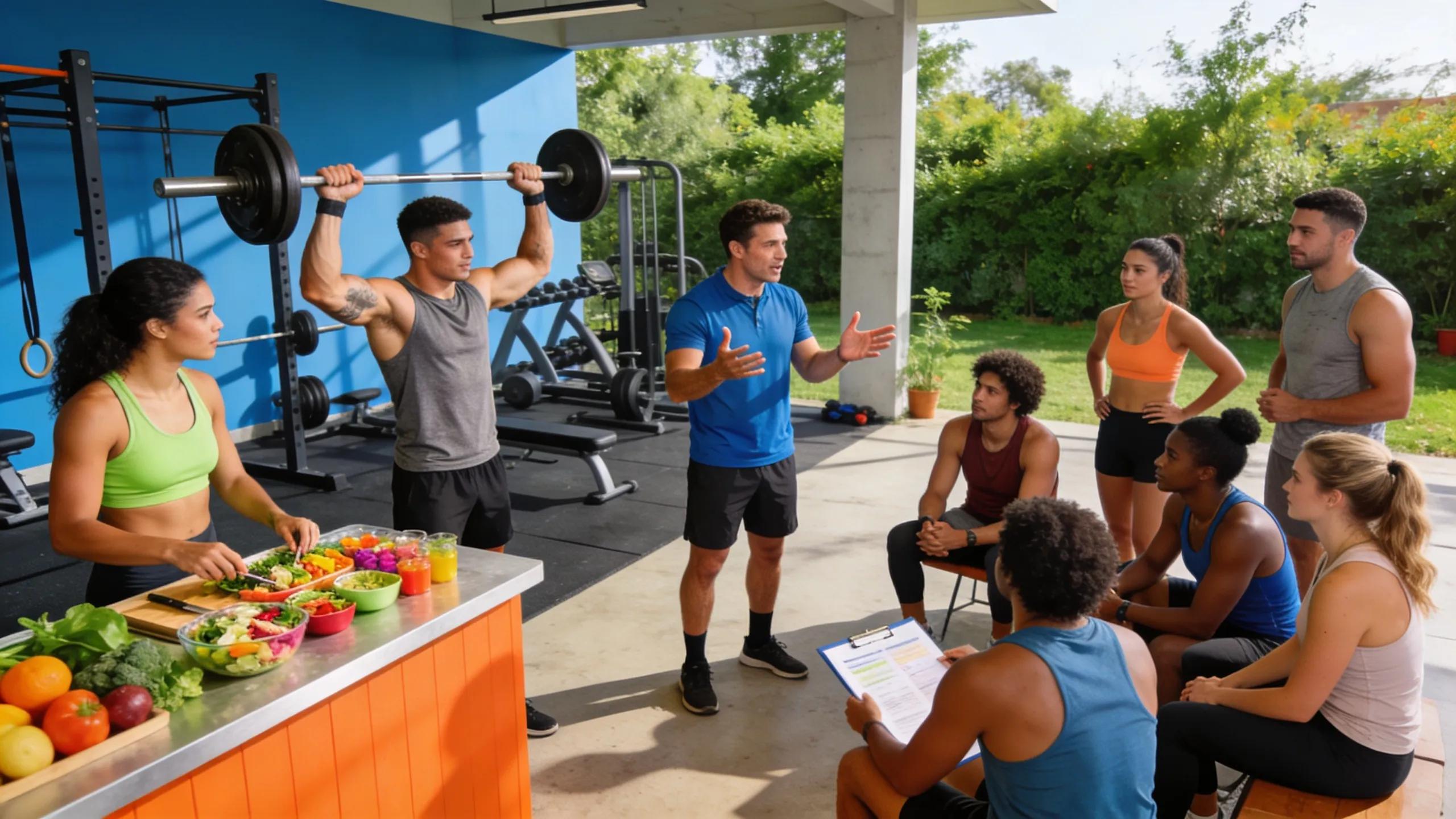
Body recomposition means losing fat and gaining muscle at the same time — a demanding goal without the right plan. Nutrition coaching gives you tailored strategies to reach those goals more efficiently and sustainably. Below we outline the key benefits of personalised nutrition, the science that supports recomposition, practical nutrition and training tactics, and how to book a complimentary consultation to get started.
What is Body Recomposition Nutrition Coaching and Why Is It Essential?
This coaching combines nutritional science with individual goals to change body composition safely and effectively. Plans are customised to your needs, helping boost energy, improve metabolic efficiency, and support muscle growth. Those tailored steps create a practical foundation for lasting progress.
How Does Nutrition Coaching Support Fat Loss and Muscle Gain?
Coaching delivers personalised meal plans that address cravings, increase satiety, and optimise macronutrient ratios. Coaches prioritise protein for muscle synthesis and recommend whole‑food meals that support recovery and overall balance.
EAV Table of Nutrition Coaching Strategies
Coaching approaches affect fat loss and muscle gain differently; the table below compares common strategies and outcomes.
| Coaching Approach | Key Feature | Expected Outcome |
|---|---|---|
| Personalized Meal Plans | Tailored to individual needs | Enhanced adherence and results |
| Progress Tracking | Regular check-ins with monitoring | Motivation and accountability |
| Macronutrient Guidance | Focus on protein and carbs | Optimal muscle gain and fat loss |
Using these personalised methods helps clients stay motivated and achieve steadier, more predictable results.
What Scientific Principles Underlie Effective Body Composition Training?
Recomposition relies on basic energy and protein principles: muscle growth typically needs a caloric surplus, while fat loss requires a deficit, so intake must be managed carefully. Adequate protein — commonly recommended around 1.6–2.2 g/kg/day — supports repair and hypertrophy. Regular monitoring and plan adjustments keep progress on track.
This review delves into the nuanced strategies of body recomposition, highlighting the essential role of energy balance and high protein intake in conjunction with resistance training.
Nutrition Strategies for Body Recomposition: Energy Balance and Protein Intake
Goals to increase muscle mass or lose weight often use opposite nutrition tactics — surplus for growth and deficit for loss — so achieving both simultaneously remains unclear. This review examined whether the literature supports body recomposition, focusing on energy balance and protein intake alongside resistance training. Some studies reported recomposition, but methods and results varied across ages, sexes, body compositions, health statuses, and training histories. A caloric surplus appears important for muscle gain; a deficit reduces weight and fat but can also lower fat‑free mass. Maintaining high protein intake (≥1.6 g/kg/day) with resistance training was frequently identified as crucial for recomposition.Tipping the Scales of Body Recomposition With an Energy Surplus, High Protein Intake, and Resistance Training: A Narrative Review, 2026
Which Nutrition Strategies Optimize Fat Loss and Muscle Gain?
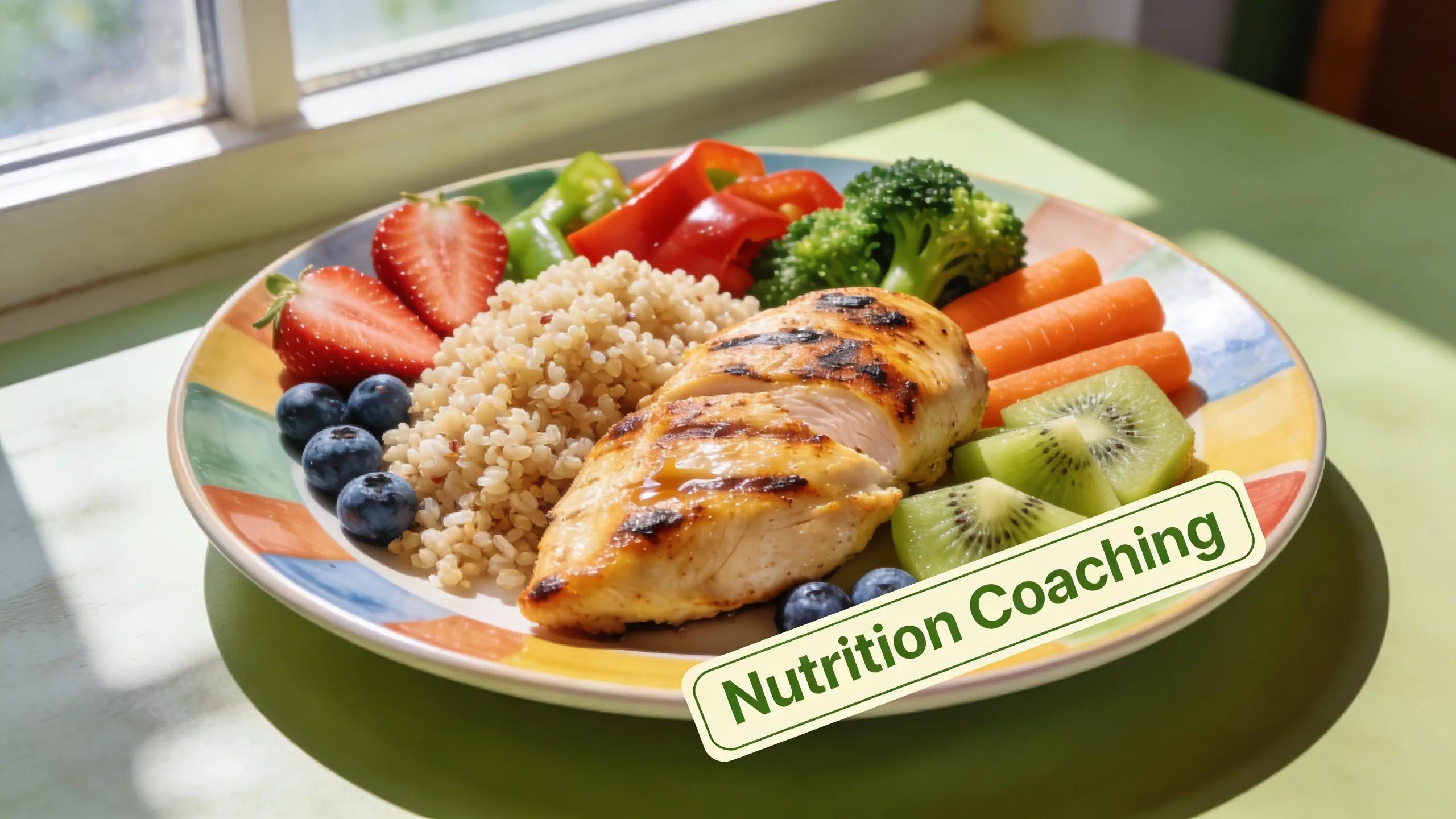
Targeted nutrition choices can speed recomposition. Three effective tactics are listed below.
- Balanced Macronutrient Intake: Ensuring optimal ratios of proteins, fats, and carbohydrates is fundamental for energy levels and muscle repair.
- Meal Timing Considerations: Eating at strategic times helps maximize performance, particularly around workouts, aiding muscle recovery and energy replenishment.
- Focus on Whole Foods: Emphasizing whole, nutrient-dense foods over processed options supports both health and fitness goals by providing essential vitamins and minerals.
These tactics form the backbone of an effective nutrition coaching programme.
How Does Personal Training Nutrition in San Diego Enhance Body Recomposition?
Local personal training nutrition adapts these strategies to San Diego lifestyles — factoring in climate, outdoor activity, and available foods. Plans fit individual schedules and preferences, and trainers offer practical tips for shopping and meal preparation that make healthy choices easier to sustain.
What Role Does Strength Training Play in Recomposition Progress?

Strength training drives hypertrophy and raises resting metabolic rate by stimulating muscle fibres. Well‑designed programmes also prioritise technique and injury prevention so clients can train consistently and progress safely.
How Does Injury Prevention Integrate with Nutrition Coaching?
Injury prevention complements nutrition coaching by keeping clients active over time. Coaches emphasise form, tailor exercises to individual needs, and teach how to recognise fatigue or strain. This combined approach reduces setbacks and supports steady progress. If you want expert guidance, consider exploring comprehensive body recomposition nutrition coaching.
What Client Success Stories Demonstrate the Impact of Nutrition Coaching?
Client stories show how focused coaching delivers measurable changes — simultaneous fat loss and muscle gain, sustainable results, and boosts in health, confidence, and function. Those outcomes often motivate others to start their own programmes.
How Can You Get Started with Complimentary Nutrition Coaching Consultations?
To start with a complimentary consultation, contact Iron Orr Fitness at (858) 255-0367 or [email protected]. The first session covers goals, challenges, and habits so the coach can design a personalised plan that fits your daily routine.
What Should You Expect During Your Initial Consultation?
The initial consultation covers dietary preferences, fitness goals, and any health considerations that affect nutrition and training. It typically lasts about an hour and includes assessments to map your current status and a clear roadmap for next steps.
What Are the Pricing Options and Service Details for Body Recomposition Coaching?
Pricing at Iron Orr Fitness is structured to suit different budgets while keeping personalised support accessible. Package details are reviewed during consultations so you can choose the option that best fits your needs and energy. Consider the value of personalised fitness and nutrition coaching for your goals.
Frequently Asked Questions
What are the common mistakes people make in body recomposition?
Common errors include neglecting protein, underestimating calorie needs, over‑restricting foods, and failing to track progress. Focusing only on fat loss or only on muscle gain without balance can also stall results. Good coaching addresses these gaps with a comprehensive plan.
How often should I consult with my nutrition coach?
Frequency depends on needs and goals. Weekly or biweekly check‑ins work well for most people to maintain accountability and adjust plans. As you progress, sessions often move to monthly check‑ins to support long‑term maintenance.
Can body recomposition be achieved without a gym membership?
Yes. Bodyweight exercises, resistance bands, and home weights can stimulate muscle growth when paired with the right nutrition. A coach will align your diet with your training environment to ensure consistent progress.
Is it possible to maintain muscle while on a calorie deficit?
Yes. Maintaining adequate protein — roughly 1.6 to 2.2 g/kg of body weight — and continuing strength training are key to preserving muscle during a deficit. Nutrition coaching helps balance calories and protein to protect lean mass.
How do meal prep strategies help with body recomposition?
Meal prep simplifies portion control, improves adherence, and makes tracking macronutrients easier. Preparing meals in advance reduces impulsive choices and helps you stick to the nutrition plan despite a busy schedule.
Are there specific diets recommended for body recomposition?
There’s no single diet that fits everyone. High‑protein or moderate‑carbohydrate approaches can work, but the best choice is a balanced plan of whole, nutrient‑dense foods that you can sustain. Flexible dieting also allows variety while meeting goals; a coach can tailor recommendations to your metabolism and preferences.
How long does it typically take to see results from nutrition coaching?
Results vary. Some people notice better energy and performance within a few weeks; visible body composition changes often take several weeks to months. Consistency with your plan and tracking progress are essential for lasting results.
Conclusion
Personalised nutrition coaching makes body recomposition more achievable by pairing targeted eating strategies with training and accountability. The right plan supports sustainable fat loss, muscle gain, and better overall energy. Schedule a complimentary consultation to learn how customised nutrition can work for you and start your transformation.