

Meal planning is a key part of hitting fitness goals—whether you want to lose fat, build muscle, or just improve your health. Knowing nutrition basics and planning meals strategically helps you get better results. This article covers practical strategies: personalized coaching, macronutrient balance, nutrient timing, and meal prep, plus how to use local options in San Diego so nutrition stays practical and accessible.
Personalized Nutrition Coaching
Personalized nutrition coaching aligns your eating with your fitness goals. Coaches assess body composition, activity and health aims to build meal plans that fit your lifestyle. Tailored plans improve diet quality and accountability, making it easier to follow a program. Iron Orr Fitness provides personalized nutrition coaching to support clients in maximizing results.
What Are the Best Macronutrient Ratios for Different Fitness Goals?

Macronutrient ratios matter when you tailor a diet to a specific goal. Carbohydrates, proteins and fats each support energy, performance and recovery. Choose ratios that match your target—fat loss, muscle gain or maintenance.
| Fitness Goal | Recommended Macronutrient Ratio |
|---|---|
| Fat Loss | 30% protein, 40% carbs, 30% fats |
| Muscle Gain | 25% protein, 50% carbs, 25% fats |
| Maintenance | 30% protein, 40% carbs, 30% fats |
Adjust these ratios based on how your body responds and your personal preferences so the plan stays practical and sustainable.
How to Adjust Macronutrient Intake for Fat Loss Versus Muscle Gain
To lose fat, higher protein helps preserve muscle when you’re in a calorie deficit. Try these strategies:
- Increase Protein: Focus on lean meats, legumes, and dairy to ensure sufficient intake.
- Moderate Carbs: Opt for complex carbohydrates like whole grains and vegetables to maintain energy levels.
- Healthy Fats: Include sources like avocados and nuts to aid in satiety and nutrient absorption.
For muscle gain, increase carbohydrates to fuel workouts and recovery. Try these strategies:
- Emphasize Carbs: Incorporate more whole grains, fruits, and starchy vegetables.
- Balance Protein: Ensure consistent protein intake throughout the day for muscle recovery.
- Include Healthy Fats: Support overall caloric needs while ensuring nutrient density.
What Role Do Proteins, Carbohydrates, and Fats Play in Strength Building?
Each macronutrient supports strength: protein repairs and builds muscle, carbohydrates provide workout energy, and fats support hormonal balance that aids growth and recovery. A solid balance improves performance and results in strength training.
How Does Nutrient Timing Enhance Athletic Performance and Recovery?
Nutrient timing plans meals around workouts to improve performance and recovery. Eating the right nutrients at the right times can boost muscle synthesis, reduce fatigue and speed up recovery between sessions.
When Should You Eat Around Your Workouts for Maximum Muscle Synthesis?
Eat a balanced meal with carbs and protein about 1–2 hours before exercise for energy. After workouts, aim for protein and carbs within 30–60 minutes to replenish glycogen and support muscle repair. Stay hydrated before, during and after sessions to support those processes.
What Are Effective Meal Frequency Strategies for Fat Loss and Energy?
Meal frequency affects energy and fat loss. Smaller, more frequent meals can help stabilize blood sugar and control hunger, but meal quality is the main driver of results.
Try these approaches:
- Three Balanced Meals Daily: A structured plan with three nutrient-dense meals can promote satiety.
- Snacking: Incorporating healthy snacks can prevent cravings and provide sustained energy.
- Intermittent Fasting: Some individuals find success with intermittent fasting, focusing eating periods throughout the day.
Each approach can support energy management and weight loss depending on your preferences and lifestyle.
What Are Practical Meal Prep Tips to Support Muscle Gain and Fat Loss?
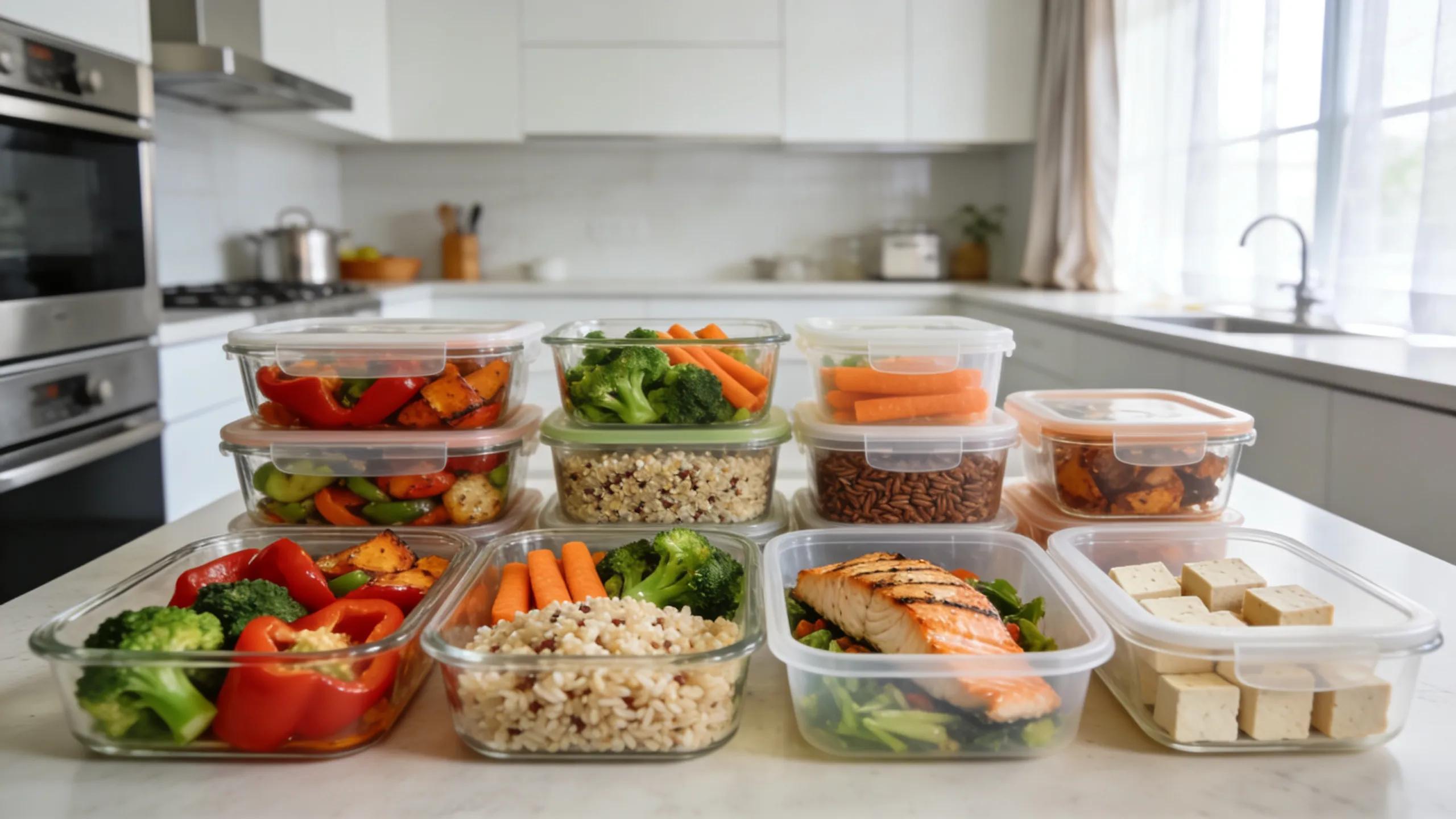
Meal prep makes sticking to nutrition goals easier. For muscle gain or fat loss, try:
- Batch Cooking: Prepare large quantities of proteins, grains, and vegetables to have ready-to-eat meals.
- Use Clear Containers: Portion meals in clear containers to easily visualize serving sizes.
- Plan Ahead: Create a weekly meal plan to avoid unplanned eating and ensure nutritional variety.
How Can Personalized Meal Prep Simplify Nutrition for Busy Athletes?
Personalized meal prep simplifies nutrition for busy people. Tailor meals to your tastes and schedule with strategies such as:
- Custom Recipes: Develop recipes based on favorite ingredients to ensure enjoyment.
- Flexible Cook Times: Choose meals that can be cooked in under 30 minutes or made in a slow cooker.
- Pre-set Meals: Have meals prepared for the week that can be pulled out when time is tight.
This approach helps busy athletes meet their nutritional needs consistently and efficiently.
How to Customize Meal Plans for Your Unique Fitness Journey in San Diego?
Creating a customized meal plan starts with your goals, dietary preferences and available resources. In San Diego, you can integrate fresh local produce into meals. For example, sustainable nutrition for fitness often uses locally sourced ingredients.
When customizing, focus on:
- Local Ingredients: Utilize seasonal fruits and vegetables available from local markets.
- Cultural Preferences: Incorporate flavors and foods that reflect personal or cultural preferences.
- Diverse Resources: Explore options like community supported agriculture (CSA) to ensure fresh, nutritious meals.
Matching meal plans to local resources and your preferences makes fitness goals more achievable.
Why Choose Personalized Nutrition Coaching to Align Meals with Training Goals?
Choosing personalized nutrition coaching gives you expert guidance tailored to your training goals. Professionals help you understand nutritional needs and optimise your diet for performance.
Coaching offers:
- Customized Strategies: Each plan is unique, reflecting personal goals and preferences.
- Expert Insight: Access to professional recommendations based on the latest nutrition research.
- Ongoing Support: Continuous adjustments and accountability to help individuals stay on track.
Personalized nutrition coaching aligns meals with training to improve results and foster a healthier relationship with food.
What Local Food Options Support Sustainable Fat Loss and Muscle Strength?
Local foods can support sustainable fat loss and muscle strength. In San Diego, nutrient-dense options include:
- Farmers Markets: Fresh fruits and vegetables provide essential vitamins and minerals for recovery and strength.
- Lean Proteins: Sources such as fish and chicken are abundant and aligned with muscle-building goals.
- Whole Grains: Choosing local whole grains can provide sustained energy and fiber for digestive health.
Choosing local options supports your health and encourages sustainable practices that benefit the community.
What Are Essential Hydration and Nutrition Strategies to Prevent Injury and Support Recovery?
Hydration and nutrition help prevent injuries and support recovery. Staying properly hydrated supports metabolic function and aids muscle repair after exercise.
How Does Proper Hydration Influence Workout Performance and Healing?
Proper hydration affects both performance and healing. Dehydration causes fatigue, reduced endurance and poorer focus during workouts. To stay hydrated:
- Drinking water consistently throughout the day.
- Using electrolyte-containing beverages after intense workouts.
- Monitoring urine color as a hydration indicator.
Which Nutrients Help Minimize Injury Risk and Enhance Tissue Repair?
Certain nutrients reduce injury risk and support tissue repair. Key nutrients include:
- Proteins: Essential for muscle repair, supporting recovery after workouts.
- Omega-3 Fatty Acids: Help reduce inflammation and promote healing.
- Vitamins C and D: Crucial for collagen synthesis and overall joint health.
Include foods rich in these nutrients daily to aid recovery and support athletic performance.
Frequently Asked Questions
1. What are the benefits of meal planning for fitness?
Meal planning improves consistency and lowers the chance of unhealthy choices. It helps you control portions, balance nutrients and save time. A clear plan also makes tracking macronutrients easier so you can target muscle gain or fat loss. Overall, it builds healthier habits and raises the likelihood of success.
2. How can I incorporate local foods into my meal plan?
Add local foods by visiting farmers markets and local stores to find seasonal produce. Swap those ingredients into familiar recipes to keep variety. Fresh, local foods boost vitamin and mineral intake and support sustainable farming in your area.
3. How does meal prepping contribute to weight loss?
Meal prepping supports weight loss by preventing impulsive choices. Preparing and portioning meals reduces reliance on fast food and high-calorie snacks, helping you maintain a calorie deficit while keeping nutrition balanced.
4. What are some practical tips for beginners in meal prepping?
Start simple with versatile recipes that need few ingredients. Cook once a week, focus on proteins, grains and vegetables, and store portions in clear containers. Use spices for flavor and adjust the plan as your schedule changes to keep it sustainable.
5. How often should I adjust my meal plan and macronutrient ratios?
Review your plan every few weeks or after hitting milestones. If progress stalls, tweak calories or macro ratios. Also update your plan when activity levels or goals change so your nutrition stays aligned with results you want.
6. Can hydration alone improve workout performance?
Hydration is essential but not sufficient on its own. Water helps your body use nutrients, maintain energy and support muscle function. Drink regularly around workouts and combine hydration with proper nutrition for the best performance.
7. What role does nutrition play during recovery after workouts?
Nutrition is key to recovery: protein and carbohydrates help repair muscle and restore glycogen. Aim for a post-workout mix of both, and include anti-inflammatory foods to reduce soreness and speed recovery.
Conclusion
Practical meal planning helps you reach fat loss or muscle gain goals. Learn macronutrient ratios and align intake with your objectives for lasting benefits. Explore our tailored meal planning services to support your journey—together we can guide you toward a healthier, more vibrant life.