
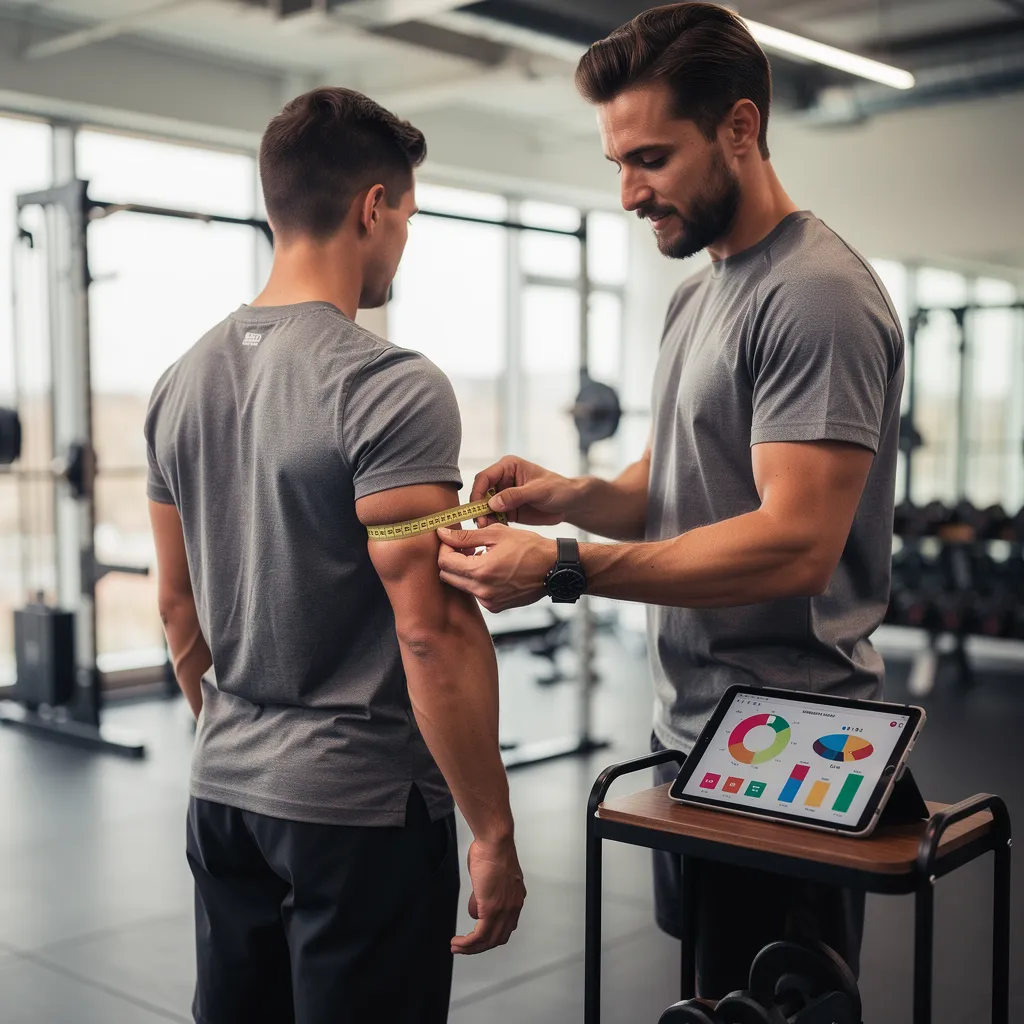
Progress tracking with an Iron Orr Fitness personal trainer combines circumference measurements, progress photos, and strength logs to reveal muscle gain beyond the scale. NASM-certified trainers apply progressive overload principles, documenting each session’s weights and reps. This data-driven method exposes true gains, filters out water-weight noise, and keeps clients accountable to measurable, lasting results.
Why Should You Track Muscle Gain With a Trainer?
A trainer turns guesswork into a system. Progress tracking only works when the numbers are accurate, consistent, and tied to a plan that adjusts as the body changes. Iron Orr Fitness operates as a premier personal training studio with two gym locations in UTC, giving San Diego clients a dedicated, professional setting built for exactly this kind of measurable progress.
Working out without a structured tracking method is a common habit among busy professionals juggling demanding schedules. The problem: without accurate records, there’s no way to confirm how can I track my muscle gain progress effectively with a personal trainer instead of just hoping the effort pays off. Tracking workouts remains the only reliable way to confirm that progressive overload, the principle behind building muscle, is actually happening session to session.
What does a trainer actually track during muscle-building sessions?
A certified coach monitors more than reps and sets. Iron Orr Fitness delivers results-driven, injury-safe personal training through certified coaches and continuous accountability, which supports consistent, measurable progress tracking over weeks and months. That accountability catches plateaus early, before motivation stalls or form breaks down.
Why does a customized program matter for tracking progress?
Generic workout plans don’t tell a coach what to measure or when to adjust. Iron Orr Fitness builds customized personal training programs specifically for muscle gain and body recomposition goals, so tracking data connects directly to each client’s targets. This approach typically includes:
- Weekly strength benchmarks tied to individual goals
- Structured progression plans adjusted by a certified coach
- Ongoing accountability check-ins to catch plateaus early
Working with a dedicated coach inside a professional studio setting gives clients a clearer, faster path to visible muscle gain.
What Metrics Matter Most for Measuring Growth?

Three metrics reveal real muscle growth: body measurements, visual progress, and strength output over time. No single number tells the whole story. A body-fat scale reading can swing several pounds from water retention alone, masking actual gains in lean tissue.
Iron Orr Fitness built its approach around this reality, applying biometric tracking as part of a system refined over 20-plus years to help clients gauge progress beyond the scale. Trainers don’t rely on one data point. They layer several together to build a complete, trustworthy picture.
What should clients track besides body weight?
An accurate read on muscle gain progress comes from combining circumference measurements, progress photos, and strength logs rather than leaning on one metric alone. Each piece catches something the others miss.
- Circumference measurements: arms, waist, thighs, and chest, tracked at consistent intervals
- Progress photos: taken under the same lighting and poses to reveal changes the mirror skips
- Strength logs: weight lifted, reps completed, and rest periods across key lifts
Stacking these methods cuts through noise like water-weight fluctuation that so often makes the scale misleading. A client might see no change on the scale. Gain an inch on the arms and add real weight to a bench press.
Why does a trainer’s assessment matter here?
NASM-certified trainers across UTC, La Jolla, Carmel Valley, and Del Mar know how to interpret these numbers correctly. They spot plateaus early and adjust programming before frustration sets in. That expertise turns raw data into a clear, personalized path toward lasting results.
How Do Trainers Use Data to Prevent Plateaus?

Data prevents plateaus by flagging stalled progress before it turns into a pattern. Custom programs built on continuous accountability let Iron Orr Fitness trainers adjust training variables, like load, volume, or rest periods, before a client’s results stall out. That kind of tracking muscle gain progress effectively with a personal trainer separates guesswork from a plan that actually moves the needle week over week.
Without structure, stalling becomes the default outcome. Showing up and training on feel, with no record of weights, reps. Sets, is a common habit among gym-goers, and it is also a surefire recipe for hitting a plateau. A trainer’s job is to replace that guesswork with a system.
Iron Orr Fitness built its approach around more than two decades of refinement, pairing session tracking with biometric check-ins. Adjustments happen early, not after months of stalled results. The method focuses on helping clients progress faster while keeping every adjustment safe and sustainable.
What happens without a tracking system?
Progress without data turns invisible fast. Clients repeat the same loads and routines, mistake fatigue for progress, and lose months before noticing the scale and mirror haven’t changed.
How does nutrition factor into breaking a plateau?
Training data only tells half the story. Iron Orr Fitness pairs its UTC coaching with integrated nutrition guidance, since undereating protein or inconsistent fueling often hides behind a stalled lifting log. Addressing both sides at once catches the plateau’s real cause instead of just its symptom.
Trainers typically watch for:
- Repeated weights or reps across multiple sessions with no increase
- Strength plateaus that coincide with inconsistent eating patterns
- Biometric markers that flatline despite consistent attendance
Which Tools Help You See Real Progress?
Biometric measurements, structured workout logs, and trainer-guided check-ins give clients the clearest answer to tracking muscle gain progress effectively with a personal trainer. Skipping these tools leaves progress guesswork, and guesswork hides small wins that matter. A missed data point today becomes a missed plateau-breaker next month.
Biometric tracking sits at the center of this system. Session packs, biometric tracking, and a proven method combine to give clients objective numbers beyond what a mirror or bathroom scale can show. Those numbers catch fat loss and muscle gain happening at the same time, something a scale alone cannot separate.
Workout logs matter just as much. Muscles only grow when forced to handle more weight, more reps, or more volume than before. A written record of load and reps turns that principle into a daily habit instead of a vague intention.
Why Doesn’t the Scale Show Muscle Gain?
The scale often stays apartment even when hard training and dialed-in protein intake are paying off. Water retention, digestion, and daily fluctuations mask real changes happening underneath. Circumference measurements and strength logs cut through that noise far better than a single body-weight number.
What Extra Support Does Iron Orr Fitness Provide?
Two UTC locations offer complimentary classes and integrated nutrition guidance alongside one-on-one sessions. These added resources, paired with sustainable nutrition for fitness, reinforce whatever the biometric data and workout logs reveal. Clients get:
- Regular biometric check-ins
- Logged strength and volume data
- Nutrition guidance tied to training goals
- Complimentary classes at both UTC studios
Together, these tools replace guesswork with evidence clients can actually act on.
How Often Should You Review Progress With Your Trainer?
Weekly or biweekly check-ins give most clients the clearest picture of muscle gain progress without overwhelming their schedule. Regular review keeps small wins visible and catches plateaus before they stall a training block. Clients training at the San Diego studio benefit from a practical advantage here: in-person sessions make it easy to sit down with a trainer and walk through tracked data face to face, rather than relying on scattered notes or a guessing game between visits.
Accountability doesn’t wait for a scheduled meeting, though. Progress review is baked into every session, not reserved for a monthly sit-down. Trainers observe form, load, and recovery in real time, so adjustments happen the moment they’re needed rather than weeks later.
What gets covered in a typical progress review?
Reviews go beyond the scale and the mirror. A session often blends strength numbers, such as weight lifted or reps completed, with broader lifestyle factors.
- Strength logs and elevator progression
- Nutrition coaching adjustments tied to muscle-gain or fat-loss goals
- Recovery, sleep, and training consistency
Why does review frequency matter for muscle gain specifically?
Muscle growth depends on applying the right stimulus at the right time, and that calls for steady feedback. A trainer who specializes in helping clients lose fat, build lean muscle, and train safely for lifelong health uses frequent reviews to fine-tune programming before small issues become setbacks.
Consistency beats intensity here. Short, frequent reviews build a reliable feedback loop, turning scattered effort into a structured, measurable path toward lasting results.
FAQ
What methods do Iron Orr Fitness trainers use to track muscle gain?
Trainers combine circumference measurements, progress photos, and strength logs to reveal muscle gain beyond the scale. NASM-certified trainers document each session’s weights and reps using progressive overload principles for data-driven, measurable results.
Why do body measurements and photos matter more than the scale alone?
A single scale reading swings from water retention and masks real gains in lean tissue. Combining circumference measurements, progress photos, and strength logs builds a complete, trustworthy picture of actual muscle growth.
How does Iron Orr Fitness customize progress tracking for each client?
Iron Orr Fitness builds customized personal training programs tied to muscle gain and body recomposition goals, including weekly strength benchmarks, structured progression plans, and ongoing accountability check-ins to catch plateaus early.
Conclusion
In closing, tracking muscle gain progress with a personal trainer transforms your fitness journey from guesswork into measurable achievement. Your trainer’s expertise ensures you’re monitoring the metrics that matter, body composition, strength gains, and performance improvements, while adjusting your program based on real data. This accountability and personalized guidance accelerates your results and keeps you motivated toward lasting change. With consistent effort and expert oversight, you’ll build the physique and confidence you’re working toward.