

When it comes to How Can I Ensure a Fat Loss Coach Understands My Unique Needs?, A qualified fat loss coach holds certification from NASM or ACE, provides 3+ client testimonials with measurable results, and offers a trial session before commitment. Iron Orr Fitness in San Diego requires trainers to complete 500+ hours of supervised coaching, ensuring proven expertise in sustainable, science-based fat loss programming.
Choosing a fat loss coach means prioritizing NASM-certified expertise over generic templates. Iron Orr Fitness builds individualized programs based on genetics, medical history, and daily routine, avoiding generic templates. Clients evaluate credentials, personalization methods, and track record for lasting results, ensuring strategies address unique biology instead of relying on willpower alone.
Why Does the Right Fat Loss Coach Matter?
Coaching quality determines whether fat loss becomes permanent or temporary. A mismatched program ignores individual biology, and clients relearn the same lessons year after year without lasting change. Iron Orr Fitness operates as a premier personal training studio in San Diego, with two gym locations in UTC, built specifically to close that gap.
Sustainable fat loss depends on understanding personal biology, not raw willpower. Genetics, medical history, sleep patterns, and daily stress all shape how a body responds to training and nutrition. Generic templates rarely account for these variables, which is exactly why so many diet-and-exercise attempts stall out. Ensuring a fat loss coach understands unique needs means checking whether a program adapts to the person, not the other way around.
What Should a Fat Loss Coach Evaluate Before Building a Plan?
A qualified coach assesses more than body weight. Effective programs at Iron Orr Fitness draw from several client-specific factors, including:
- Current strength levels and movement patterns
- Metabolic and lifestyle history
- Nutrition habits and food preferences
- Long-term goals, from fat loss to muscle gain to body recomposition
Iron Orr Fitness’s programs cover customized personal training for fat loss, muscle gain, strength conditioning, body recomposition, and nutrition coaching under one roof. That range matters because fat loss rarely happens in isolation; it intersects with strength, metabolism, and eating habits simultaneously. Coaches who understand this connection build plans that hold up over months, not just weeks.
Does the Coach Understand Your Unique Needs?

Genetics, medical history, and daily schedule shape which strategies actually work for a given client. Iron Orr Fitness pairs award-winning, certified coaches with medical-grade assessments, building custom programs around each person rather than a shared template. Clients evaluating how to ensure a fat loss coach understands their unique needs should look for evidence of real individualization, not just a friendly personality.
A results-driven, injury-safe approach starts with assessment. Before any workout begins, Iron Orr trainers gather data on movement patterns, injury history, and lifestyle demands. That information becomes the foundation for programming, not an afterthought filed away after intake.
What Makes a Program Truly Personalized?
A personalized program adapts as the body changes, not just at the start. Iron Orr Fitness relies on session packs. Biometric tracking, refined through a system built over more than 20 years, to keep each plan current. Progress gets measured, reviewed, and adjusted, so the coaching relationship evolves alongside the client’s results rather than staying frozen in a first-week plan.
Why Do Generic Templates Fail Some Clients?
Templates ignore the fact that no two clients share identical biology or circumstances. One person’s optimal training frequency, recovery needs, and nutrition timing rarely match another’s. Because genetics, medical history, and day-to-day responsibilities vary so widely, the changes that create the biggest impact differ from client to client. A detail generic gym programs routinely miss.
Prospective clients can gauge a coach’s attentiveness with a few direct checks:
- Does the initial consultation include a review of injury history and current medications?
- Are workouts adjusted after tracking sessions, or does the plan stay static for months?
- Can the trainer explain why a specific exercise or nutrition target fits this client’s body, not just fitness trends in general?
A coach who answers these questions with specifics, rather than generalities, demonstrates the kind of individualized attention that drives lasting fat loss and sustainable body recomposition.
What Credentials Should a Fat Loss Coach Hold?
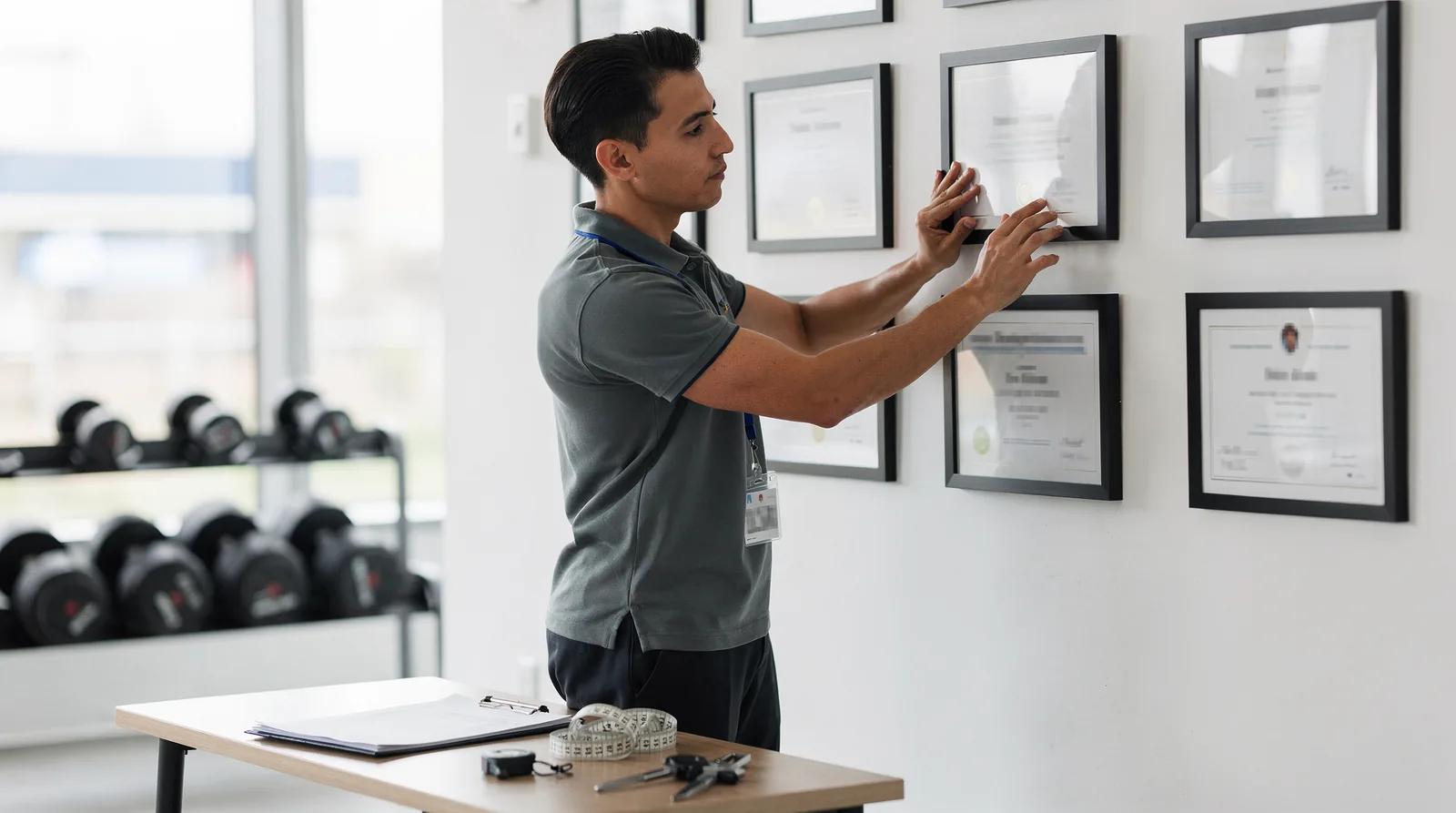
Certification separates guesswork from guided results. Trainers serving UTC, La Jolla, Carmel Valley, and Del Mar hold National Academy of Sports Medicine (NASM) certification, a credential built on evidence-based exercise science. That standard matters because uncertified guidance leaves clients guessing about form, load, and recovery. Mistakes that stall fat loss progress for months at a time.
Iron Orr Fitness operates out of San Diego, California, giving local clients direct access to credentialed coaching rather than a generic, templated program shipped in from somewhere else.
Credentials alone don’t guarantee a coach grasps someone’s unique situation, though. Verified credentials do help answer a common concern: how a fat loss coach can understand each client’s unique needs during the intake process. NASM-certified trainers are trained to assess medical history, movement limitations, and daily schedule constraints before writing a single program.
Does a Nutrition Background Matter for Fat Loss Coaching?
Yes. Fat loss depends heavily on daily food intake. A coach with nutrition knowledge catches gaps a purely exercise-focused trainer might overlook. Clients supported by a team that includes nutrition expertise receive more complete guidance on meal timing, portioning, and habits that actually hold up outside the gym. This guidance is often used to describe the brand’s approach to integrating local, healthy ingredients into everyday meal planning.
Beyond a single trainer, well-rounded coaching support often draws on a full team. Dietitians, nutritionists, and exercise professionals working together give clients broader expertise than any one coach working alone can offer.
Credential checklist for prospective clients:
- NASM certification or an equivalent accredited credential
- A studio location serving the client’s neighborhood — UTC, La Jolla, Carmel Valley, or Del Mar
- Access to a broader team, including dietitians and nutritionists
- A documented process for assessing individual medical history and goals
Skipping this verification step risks months of wasted effort and setbacks that are hard to reverse.
How Do You Know You Need Support?

Struggling to stay consistent ranks among the clearest signals that professional coaching could change the outcome. Stalled progress, repeated restarts, and frustration with generic programs often point to the same root problem: a plan that doesn’t fit the person following it. Recognizing these patterns early prevents months of wasted effort.
San Diego residents pursuing fat loss, muscle gain, strength gains, or injury prevention span a wide range of starting points, from complete beginners to competitive athletes. A coaching relationship built around individual biology, schedule, and goals looks different for each of these clients. Ensuring a fat loss coach understands unique needs starts with honest self-assessment before the first session even begins.
What Are the Warning Signs Coaching Could Help?
Consistency problems top the list. Clients who find themselves skipping workouts, abandoning meal plans within weeks, or bouncing between fitness trends without lasting results typically need more than motivation. They need structure built around their actual life.
Consider these common indicators:
- Repeated attempts to lose weight independently with short-lived results
- Difficulty translating generic online advice into a workable routine
- Uncertainty about which approach fits personal health history or schedule
- Frustration with one-size-fits-all gym programs
What Does the Right Support Actually Look Like?
Support extends beyond workout instruction. Iron Orr Fitness operates two UTC locations offering gym access with no membership fees, complimentary classes, and nutrition guidance woven directly into training. That combination addresses consistency from multiple angles — accountability, education, and access — rather than leaving clients to figure it out alone.
What’s the Next Step to Choose a Coach?
A short consultation reveals whether a program fits an individual’s schedule, medical history, and body composition goals. Fat loss coaching succeeds or fails on that initial conversation, not on flashy marketing. Losing weight and reaching lasting health goals is a genuinely challenging journey, one that often requires expert guidance and structured support rather than another generic template pulled off the internet.
How can I ensure a fat loss coach understands my unique needs? Ask direct questions before committing to any package. A qualified coach welcomes scrutiny and explains how programming adapts to individual biology.
What should someone ask during a consultation?
Prospective clients should ask how a trainer adjusts programming for injuries, prior training history, and daily schedule constraints. Iron Orr Fitness structures every consultation around these questions, building continuous accountability and custom programs into each client’s fat loss journey from day one. That ongoing check-in process — not a single intake form — determines whether a plan stays effective as circumstances change.
Who stays in control of the plan?
Clients do. A coach functions as a facilitator, offering expertise, structure, and encouragement. Final decisions rest with the person doing the work. This partnership model matters most for fat loss, where sustainable habits outlast any short-term program.
Consider these markers when evaluating a potential coach:
- Certification credentials and injury-safe training methods
- A willingness to adjust programming based on feedback and progress
- Clear communication about who drives day-to-day decisions
- Consistent accountability check-ins, not one-time assessments
Choosing a coach who respects individual biology, rather than forcing a one-size-fits-all template, sets the foundation for fat loss results that actually hold up over time.
FAQ
What should I look for when choosing a fat loss coach?
Prioritize NASM-certified expertise and individualized programs built on genetics, medical history, and daily routine. Evaluate credentials, personalization methods, and track record instead of choosing a coach who relies on generic templates.
How does Iron Orr Fitness personalize fat loss programs?
Iron Orr Fitness assesses strength levels, movement patterns, metabolic and lifestyle history, and nutrition habits before building a plan. Coaches use medical-grade assessments and session-pack tracking to adjust programs as clients progress.
Why do generic fat loss templates fail?
Templates ignore the fact that no two clients share identical biology or circumstances, so training frequency, recovery needs, and nutrition timing rarely match between individuals. This mismatch causes stalled results and repeated, ineffective attempts.
Conclusion
In closing, choosing the right fat loss coach transforms your fitness journey from guesswork into a strategic, personalized path toward lasting results. Prioritize certified trainers who understand your unique biology and lifestyle, who communicate transparently about methods and timelines, and who demonstrate genuine investment in your success. Your coach becomes your accountability partner and expert guide—select someone whose approach aligns with your values. Whose track record speaks to real client transformations. The right partnership accelerates your progress and builds the sustainable habits that define lasting change.