
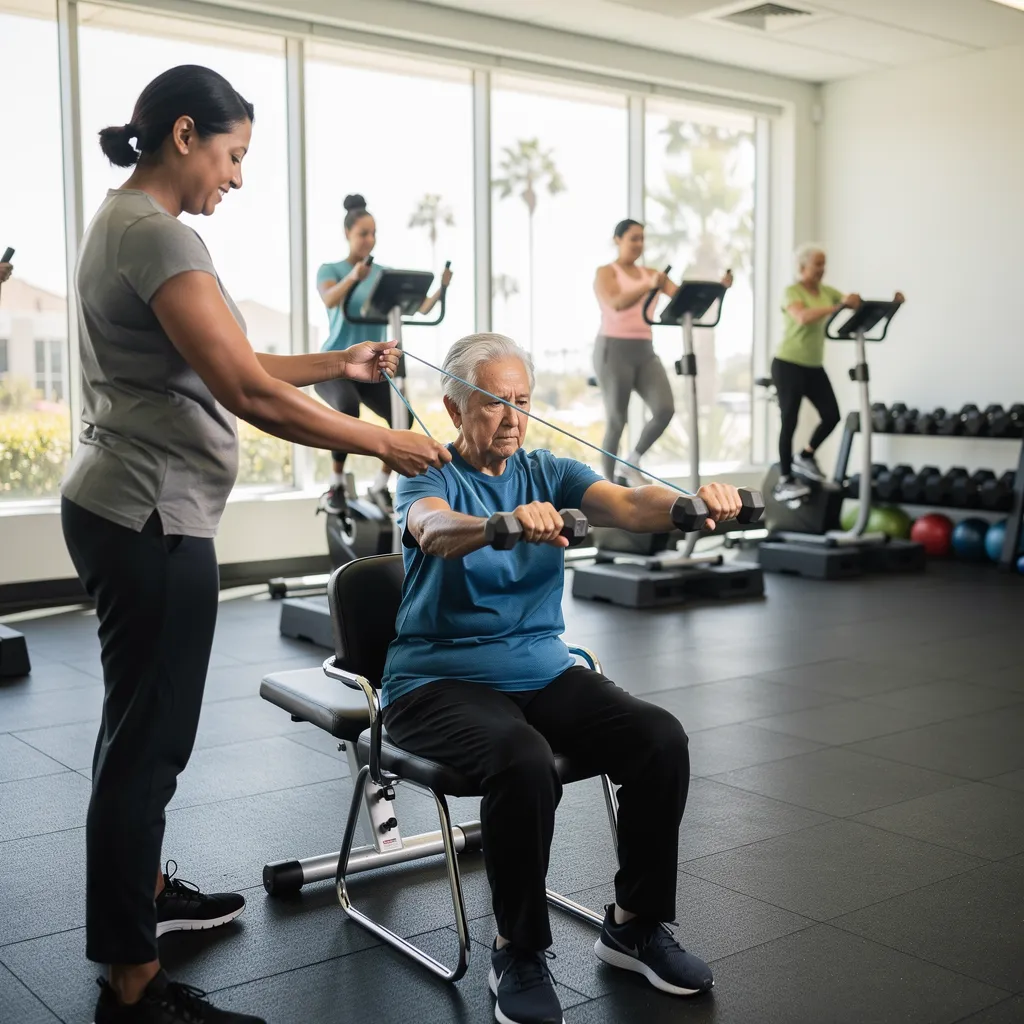
When it comes to Are Your Fitness Programs Adaptable for Seniors With Limited Mobility or Chronic Conditions?, chronic conditions require moderate-intensity activity for at least 30 minutes, five days a week, per CDC Physical Activity Guidelines, combined with muscle-strengthening exercises. Iron Orr Fitness in San Diego, California, designs programs that prioritize safety for seniors with limited mobility.
Safe, effective fitness programs for seniors combine NASM-certified trainer guidance with moderate-intensity activities like brisk walking, swimming, and light weightlifting, building strength gradually under chronic-condition precautions. Iron Orr Fitness delivers customized 1-on-1 personal training in San Diego’s UTC area, designing programs around mobility limits, doctor-approved plans, and steady progress toward lasting strength and independence.
Is It Safe to Exercise With a Chronic Condition?
Safety depends on the approach, not the diagnosis. Almost anyone, at any age, can engage in some form of physical activity, even while managing a chronic health condition. The bigger risk often comes from staying still. Muscles weaken, joints stiffen, and confidence fades faster than most people expect once movement stops.
Moderate-intensity exercise remains the standard for older adults navigating arthritis, diabetes, or cardiovascular concerns. Brisk walking, swimming, and light strength training rank among the safest options when programs build gradually rather than pushing intensity too soon. Iron Orr Fitness structures every fitness program adaptable for seniors around that same gradual, assessment-first philosophy, adjusting load and pace to match each client’s current ability rather than a generic template.
What Should Seniors With Chronic Conditions Avoid?
Sudden increases in intensity or volume cause the most harm, not exercise itself. Skipping a proper warm-up or ignoring joint pain during a session raises injury risk considerably. Trainers watch for compensation patterns that signal an old injury or imbalance working against the body.
How Does a Trainer Know What’s Safe for Me?
A qualified trainer starts with a full movement assessment before writing a single set. Iron Orr Fitness built its entire studio around one founding belief: clients deserve to reach physical goals without getting hurt. That philosophy took shape after the founder’s own injury while training for the Olympics, a personal setback that shaped a safer training model.
Clients working with the San Diego-based studio benefit from:
- Gradual progression tailored to current mobility and stamina
- Ongoing screening for imbalances tied to chronic conditions
- Program adjustments that respond to pain, fatigue, or setbacks in real time
What Makes a Program Truly Adaptable?
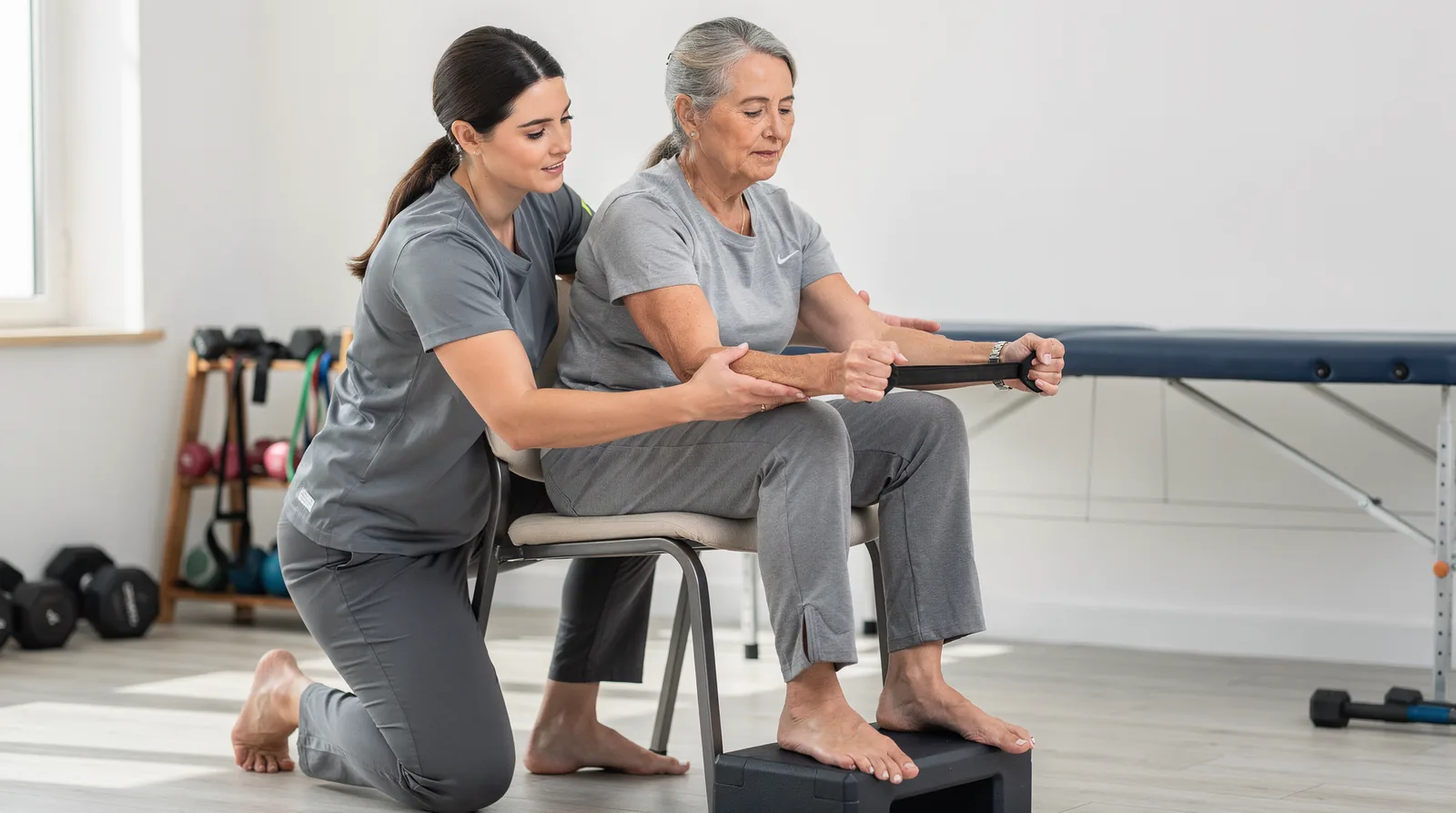
Real adaptability starts with assessment, not assumption. Certified trainers at Iron Orr Fitness continuously evaluate each client’s kinetic chain—the connected system of joints. Muscles that governs movement—watching for imbalances or compensations before they turn into injuries. That ongoing evaluation, not a fixed workout template, defines whether a fitness program truly bends to a client’s needs, answering the core question: Are Your Fitness Programs Adaptable for Seniors With Limited Mobility or Chronic Conditions?
Older clients rarely fit a single mold. Someone recovering from a hip replacement needs a different approach than someone managing arthritis or Parkinson’s disease. Programming must compensate for pre-existing conditions and previously incurred injuries rather than force every client through the same routine. Trainers who skip this step risk aggravating old injuries instead of resolving them.
How does a trainer personalize a plan for limited mobility?
Personalization happens through conversation and collaboration, not guesswork. During the initial meeting, an Iron Orr Fitness trainer works directly with the client to define goals and build a personalized lifestyle system around them. That system reflects the client’s current mobility, medical history, and pace of progress, rather than a generic senior fitness template pulled off a shelf.
Why does adaptability matter for long-term health?
Adaptability keeps exercise safe enough to sustain over months and years. Programs built around individual limitations help clients maintain the strength and balance needed for daily living activities and independence. Consider what a truly client-centered approach includes:
- Ongoing movement assessments to catch compensation patterns early
- Adjustments for pre-existing conditions like joint replacements or cardiovascular concerns
- Goal-setting sessions that shape a personalized lifestyle system
- Progressions paced to match mobility, not a generic timeline
A program that skips these steps isn’t adaptable. It fails to meet individual needs and may not be effective for all clients. True adaptability means the plan changes shape around the client, never the other way around.
Which Conditions Benefit From Guided Movement?
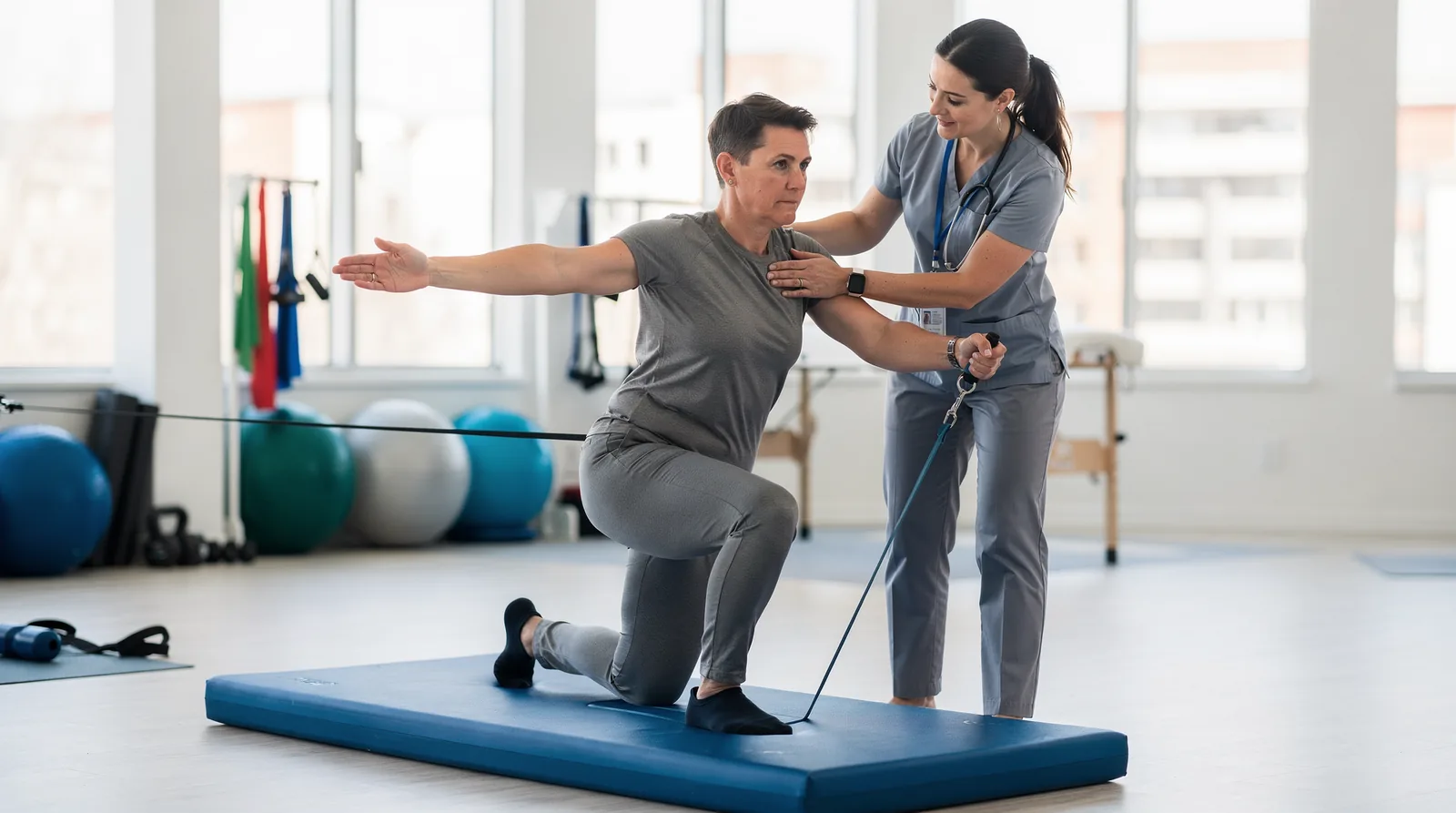
Chronic conditions rarely rule out exercise entirely. Arthritis, hypertension, stroke history, multiple sclerosis, Parkinson’s disease, spinal cord injury, and type 2 diabetes all respond well to properly guided movement. Iron Orr Fitness designs fitness programs adaptable for seniors with limited mobility or chronic conditions, matching each client’s medical picture to a workout plan that respects real physical limits.
Guided movement changes daily life for people managing these diagnoses. Consistent activity decreases pain and improves physical function for many chronic conditions, rather than making symptoms worse. Joints move more freely. Balance steadies. Energy returns.
Conditions that respond to guided, adapted training include:
- Arthritis
- Hypertension and stroke history
- Multiple sclerosis
- Parkinson’s disease
- Spinal cord injury
- Type 2 diabetes
Can exercise help with memory loss or dementia?
Physical activity may improve certain aspects of cognition for people living with Alzheimer’s disease and related dementias. Movement doesn’t reverse memory loss, but it supports mental clarity alongside physical strength. Sessions get adjusted in pace and complexity so clients facing memory challenges can follow along safely and with confidence.
Is guided training safe after a stroke or with a condition like MS?
Yes, once programming accounts for balance, fatigue, and mobility restrictions. Stroke recovery, spinal cord injury, and multiple sclerosis each demand careful load management and close attention to movement quality.
Decades of coaching experience back this approach. A structured, decades-tested system guides clients safely toward their goals, without the setbacks that derail progress for people managing chronic conditions. That consistency matters more for this population than for any other client group.
How Do Trainers Adjust for Limited Mobility?
Certified trainers modify each exercise around the client’s actual joint range, balance, and pain thresholds rather than forcing a standard routine. NASM certification paired with years of elite athletic experience across football, rugby, baseball, basketball, and track gives Iron Orr Fitness trainers the technical background to adjust movements safely for clients at any ability level. That background isn’t just academic — it shows up in how a session gets planned from the first assessment.
Years of hands-on coaching matter as much as the credential itself. Trainers who have competed at a high level understand how joints fail and how to protect them during training. This combination of certification and real athletic background means clients with arthritis, past injuries, or balance concerns get programming built around their specific limitations, not a generic template.
What does this mean for actual results?
Safe and effective progress toward fitness goals is the direct outcome of that depth of training. Clients don’t have to choose between staying cautious and making real progress. The right modifications let both happen at once.
Is supervised training affordable for ongoing sessions?
Multiple personal training packages are structured to fit a range of budgets. This matters most for clients with chronic conditions, since consistency over months. Not a single burst of effort — drives lasting results. Budget-friendly options make regular, supervised sessions realistic rather than occasional.
Programming also aligns with established guidelines for older adults, including:
- Muscle-strengthening work covering all major muscle groups
- Sessions scheduled two or more days per week
- Adjustments made continuously as strength and mobility improve
How Should You Start This Journey Safely?
A safe start begins with an honest assessment, not a treadmill. Iron Orr Fitness invites seniors and their caregivers to claim a complimentary, no-obligation body composition exam with a top 1-on-1 personal trainer in San Diego before any commitment is made. This low-pressure first step lets a trainer evaluate mobility, medical history, and goals without cost or risk.
What happens after requesting an assessment?
Response time matters for families juggling caregiving schedules. Once someone reaches out, Iron Orr Fitness calls back within one hour to schedule the initial visit. No obligation is attached to that call. It exists purely to find a time that works and answer early questions.
Does the program address more than just exercise?
Physical movement is only part of the equation for older adults managing chronic conditions. Every core service at Iron Orr Fitness pairs hands-on workout adaptability for seniors with limited mobility or chronic conditions with nutritional guidance and expert health recommendations. Ironorrfitness.Com That combination supports whole-person progress, not just muscle activation.
Early sessions typically follow this sequence:
- Complimentary body composition exam and mobility screening.
- Callback within one hour to confirm scheduling.
- Personalized session addressing movement limits and health history.
- Nutritional guidance layered alongside the workout plan.
Progress builds gradually from there. National guidelines point to 30 minutes of moderate exercise, five days a week. The benchmark older adults should work toward over time. Iron Orr Fitness structures programming to move clients toward that target safely, respecting each person’s starting point rather than forcing a one-size-fits-all pace.
FAQ
Is it safe to exercise with a chronic condition?
Almost anyone manages some form of physical activity despite a chronic condition, and staying still poses greater risk than moving. Iron Orr Fitness builds programs gradually, adjusting load and pace to match each client’s current ability under NASM-certified guidance.
What should seniors with chronic conditions avoid during exercise?
Sudden increases in intensity or volume cause the most harm, along with skipping warm-ups or ignoring joint pain. Trainers at Iron Orr Fitness watch for compensation patterns signaling old injuries or imbalances.
How does a trainer determine what’s safe for me?
A qualified trainer starts with a full movement assessment before writing any program. Iron Orr Fitness continuously screens for imbalances tied to chronic conditions and adjusts programming in real time based on pain, fatigue, or setbacks.
How often should seniors with chronic conditions exercise?
National guidelines call for at least 30 minutes of moderate-intensity activity, five days a week, combined with muscle-strengthening work covering all major muscle groups on two or more days weekly. Iron Orr Fitness paces clients toward that benchmark gradually rather than starting at full volume.
Can seniors with limited mobility still build strength safely?
Yes. Strength gains come from gradual, assessment-first programming rather than intensity for its own sake. Trainers continuously evaluate each client’s kinetic chain for imbalances or compensations, adjusting exercises so strength builds without aggravating joints or old injuries.
What happens during the complimentary body composition exam?
The no-obligation exam lets a trainer evaluate mobility, medical history, and personal goals before any commitment is made. Iron Orr Fitness follows up with a callback within one hour to schedule the first session and answer early questions.
Facts
- Iron Orr Fitness is located in San Diego, California, US.
Conclusion
Staying active with limited mobility or a chronic condition isn’t about pushing through pain or following a generic workout plan — it’s about working with a trainer who assesses, adjusts, and progresses at a pace that respects each client’s real limits. Iron Orr Fitness builds every program around that principle, pairing NASM-certified guidance with decades of hands-on coaching experience to help seniors in San Diego’s UTC area move more freely, manage chronic conditions, and rebuild strength and independence over time.
The safest first step is a conversation, not a commitment. A complimentary body composition exam gives seniors and their caregivers a clear, no-pressure look at where a personalized program could begin.