🔄

Category: Strength Conditioning

Explore BLOGs
Personalized Strength Workout Plans San Diego
Why cookie-cutter plans fail you in San Diego, Personalized Strength Workout Plans San Diego

Personalized strength workout plans in San Diego pair clients with NASM-certified trainers from Iron Orr Fitness. One-on-one sessions build core strength, add lean muscle, and reshape physique through progressive, science-backed programming. Clients choose subscription-based personal training for consistent, results-driven coaching tailored to individual goals, schedules, and recovery needs.

Why cookie-cutter plans fail you?

Generic workout templates ignore what makes every body different. A one-size-fits-all program overlooks injury history, mobility restrictions, and daily recovery capacity, leaving progress to chance. A single overlooked setup detail today costs weeks of stalled progress later.

Personalized Strength Workout Plans San Diego address what mass-market programs cannot. Generic routines assume every client moves the same way. They do not account for old shoulder injuries, hip imbalances, or the accumulated stress of desk-bound workdays. The result is predictable: compensations form, progress plateaus, and injury risk climbs.

What happens when a program ignores your injury history?

The body finds workarounds. When a routine demands a movement pattern a joint cannot safely perform, surrounding muscles compensate. These compensations create imbalances that eventually turn into injuries. Iron Orr Fitness was founded specifically to solve this problem. The company emerged from founder Justin’s experience of getting hurt while training for the Olympics. That injury shaped a training philosophy built around reaching physical goals without getting hurt.

How do trainers prevent imbalances before they cause damage?

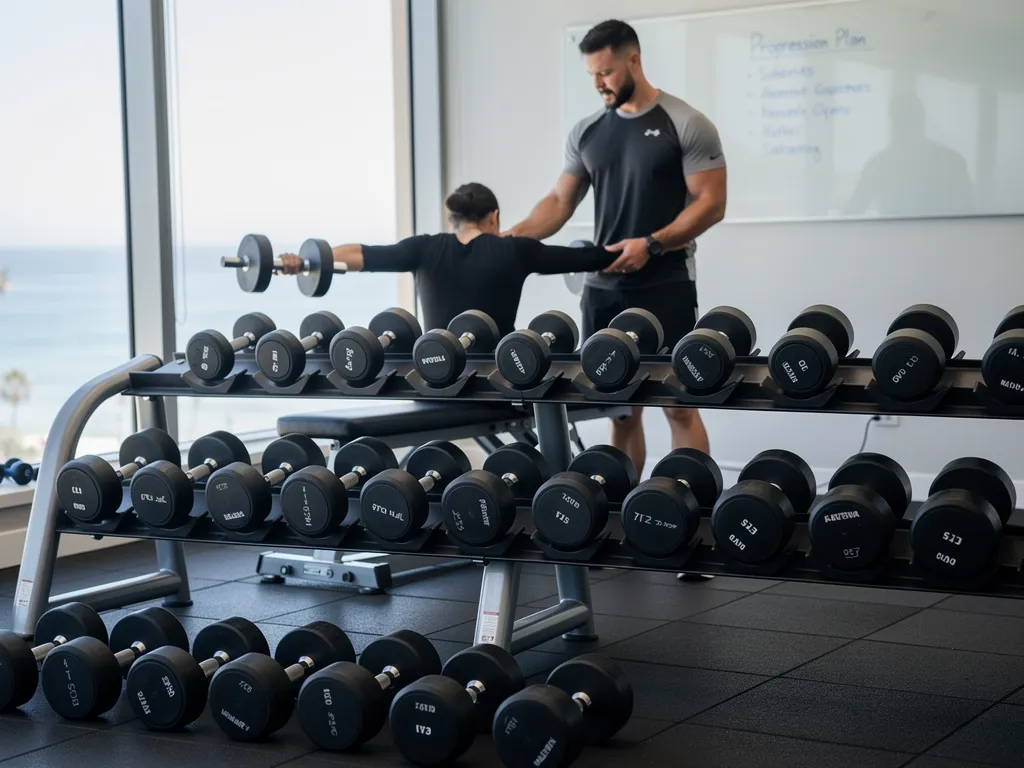
Constant assessment makes the difference. Trainers at Iron Orr Fitness continuously evaluate a client’s kinetic chain, the interconnected system of joints, muscles, and nerves that governs every movement. They watch for early signs of compensation and correct them before they become injuries. Programming also adapts to pre-existing conditions and prior injuries. This vigilance keeps clients progressing safely while generic plans leave them vulnerable to setbacks they never saw coming.
What makes a plan truly personalized in San Diego

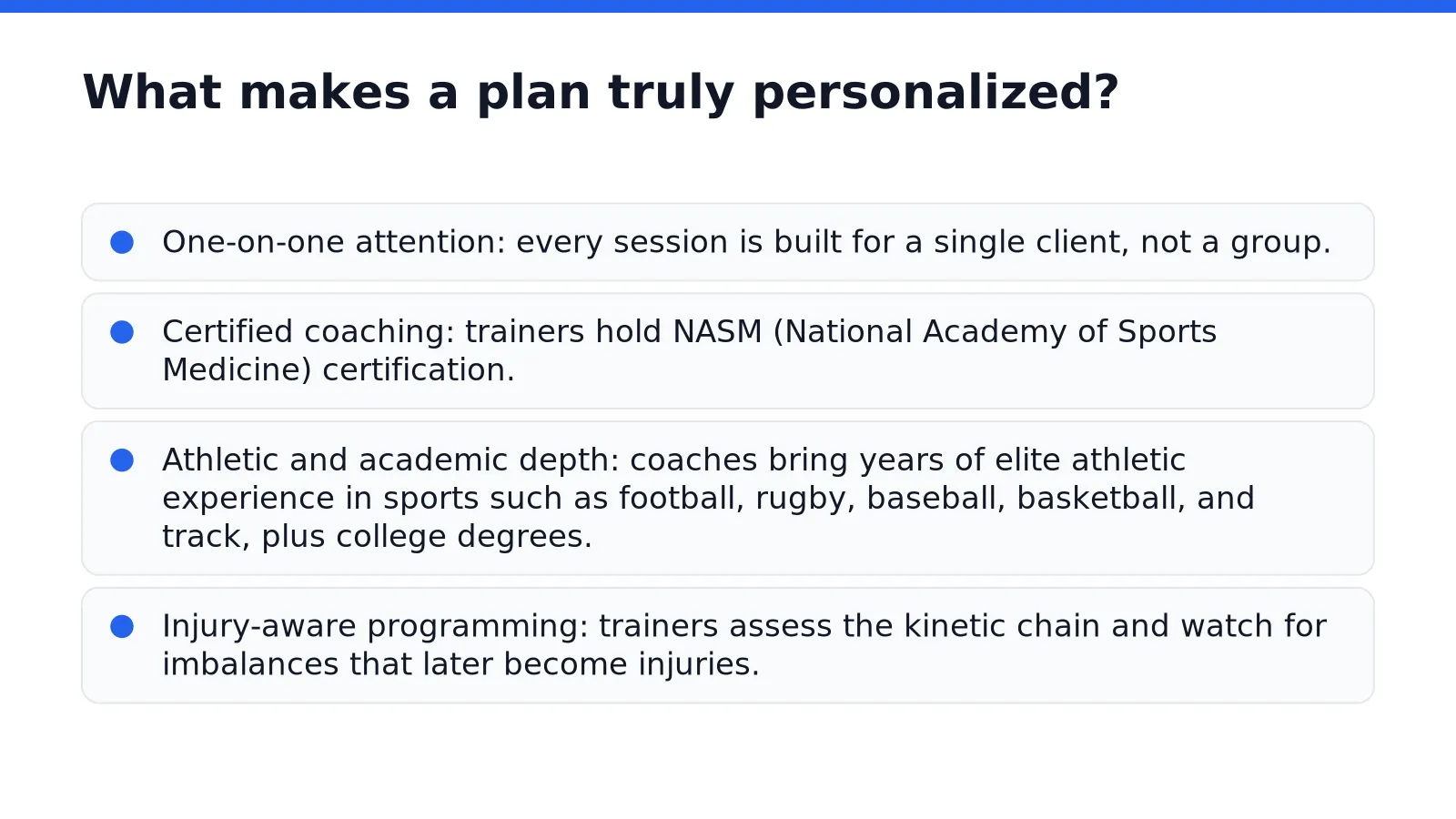
What makes a plan truly personalized?

A truly personalized plan starts with the individual body in front of the trainer, not a template pulled from a shelf. Personalized strength training programs in San Diego pair residents of UTC, La Jolla, Del Mar, and Carmel Valley with NASM-certified trainers for one-on-one sessions. That structure lets a coach adjust exercises, sets, and recovery around a client’s biomechanics and daily routine.

Personalized Strength Workout Plans San Diego clients receive differ from generic routines in several concrete ways:

  • One-on-one attention: every session is built for a single client, not a group.
  • Certified coaching: trainers hold NASM (National Academy of Sports Medicine) certification.
  • Athletic and academic depth: coaches bring years of elite athletic experience in sports such as football, rugby, baseball, basketball, and track, plus college degrees.
  • Injury-aware programming: trainers assess the kinetic chain and watch for imbalances that later become injuries.

How does a trainer know where to start?

A complimentary, no-obligation body composition exam opens the process. The exam gives the trainer baseline data on a client’s current physique before any program is written. From there, the coach maps a progressive plan toward fat loss, muscle gain, or body recomposition.

Why does certification matter in a personalized program?

Certification separates structured coaching from guesswork. NASM-certified trainers study anatomy and program design before they write a single set for a client. That training supports the injury-prevention focus the company builds into every plan.

Clients who skip an assessment and a certified coach lose the baseline data and the safeguards. A plan built on assumptions carries that risk into every session.

How does strength training reshape your body?
How does strength training reshape your body in San Diego

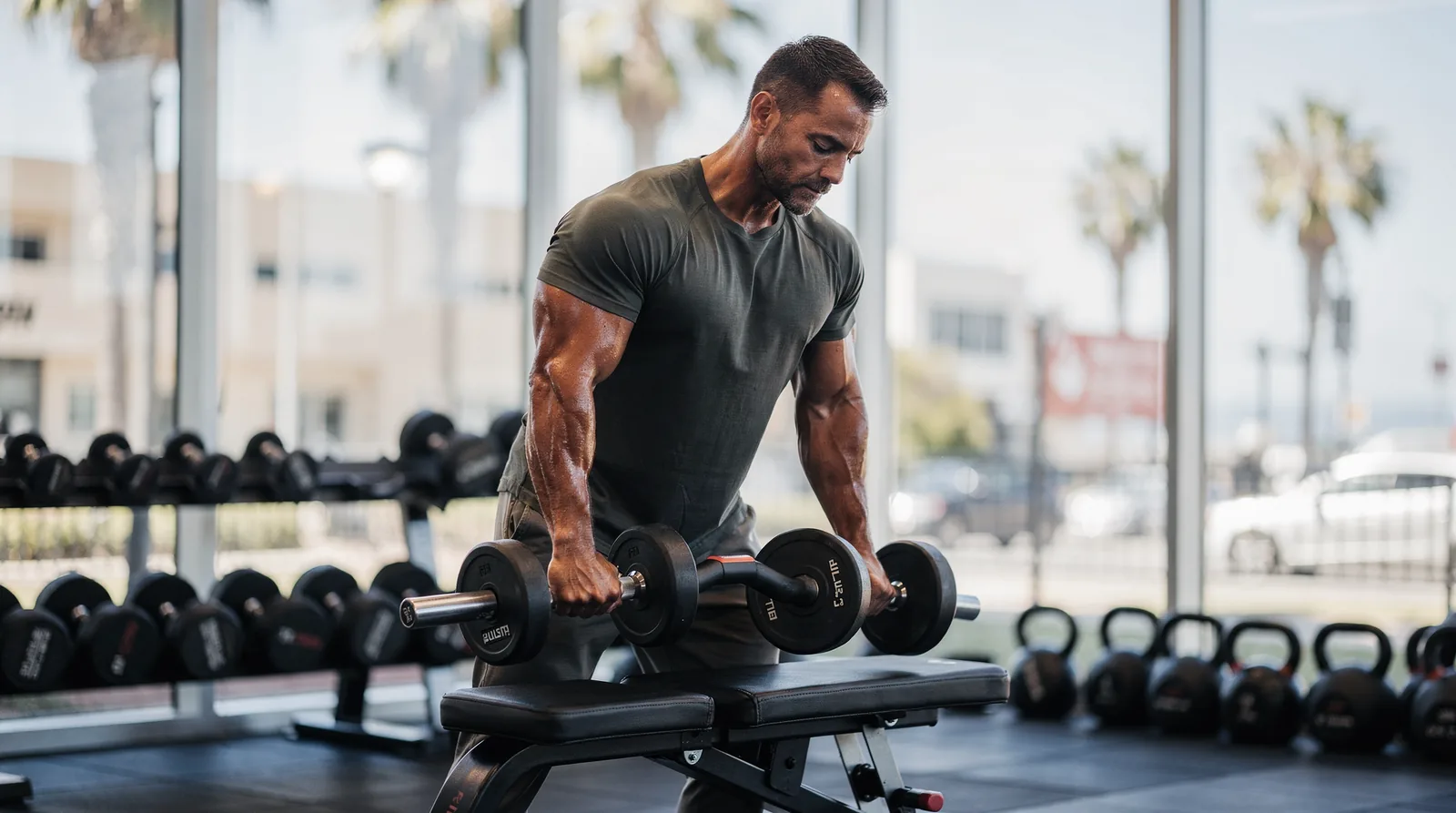
Strength training reshapes the body by increasing skeletal muscle size and improving overall strength. The process uses resistance to create muscular contraction, which builds anaerobic endurance and transforms physique over time. Without consistent, progressive overload, muscle tissue gradually diminishes, and metabolic rate drops. That loss compounds year after year, making everyday movements harder and fat gain easier.

Personalized Strength Workout Plans San Diego address these risks through structured, science-backed programming. Trainers adjust exercises, sets, repetitions, and tempo to match each client’s current fitness level and long-term goals. This customization prevents plateaus. It also reduces injury risk by accounting for individual biomechanics and recovery capacity.

What physical changes happen first with strength training?

Initial changes are neuromuscular. The body learns to recruit muscle fibers more efficiently before visible growth occurs. Within three to six weeks, clients typically notice improved posture and firmer muscle tone. Strength gains arrive before size gains because the nervous system adapts faster than muscle tissue hypertrophies.

How does nutrition affect body reshaping results?

Nutritional guidance accompanies every service at Iron Orr Fitness, including muscle gaining, weight loss, and muscle toning programs. Protein intake supports muscle repair after resistance sessions. Caloric balance determines whether the body sheds fat or adds mass. Without proper fueling, even the best Personalized Strength Workout Plans San Diego trainers design will underdeliver on visible results.

One-on-one sessions build core strength, add lean muscle, and reshape physique through progressive programming. Clients who commit to subscription-based training see consistent, measurable changes. The combination of expert coaching and tailored nutrition creates a body that moves better, looks leaner, and resists age-related decline.

What does a San Diego session look like?
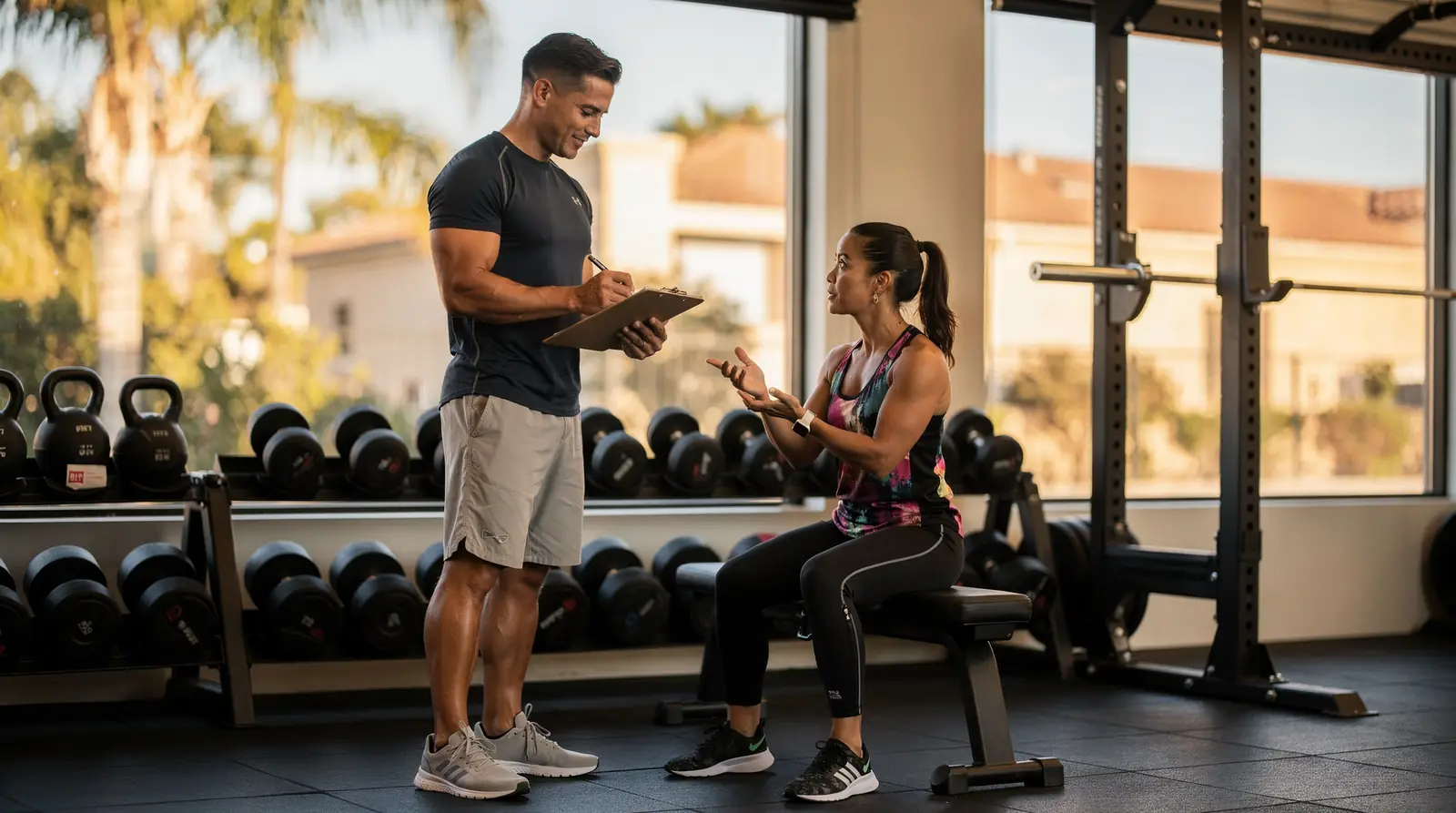
What does a San Diego session look like

A session at Iron Orr Fitness unfolds inside one of two dedicated UTC gym locations. The private studio environment eliminates crowded commercial gym distractions, letting clients focus entirely on form and progression.

Personalized Strength Workout Plans San Diego begin with a trainer reviewing the day’s objectives. Every exercise, set count, and rest interval follows a program built around the client’s biomechanics and recovery capacity. No two sessions mirror each other. The trainer adjusts load, tempo, and movement selection in real time based on how the body responds that day.

Sessions follow a predictable rhythm without becoming repetitive. A typical hour moves through four phases:

  • Movement preparation: Dynamic stretches and activation drills targeting the session’s primary muscle groups
  • Primary strength block: Compound lifts like squats, deadlifts, or presses performed with progressive loading
  • Accessory work: Isolation exercises addressing individual weak points or imbalances
  • Cool-down integration: Guided mobility work and a quick debrief on what comes next

How long does a personal training session last?

Most clients book 60-minute sessions. This duration provides enough time for a thorough warm-up, the main strength block, and corrective accessory work without rushing. The trainer paces each phase to match the client’s energy and recovery rate on that specific day.

What kind of coaching happens during the workout?

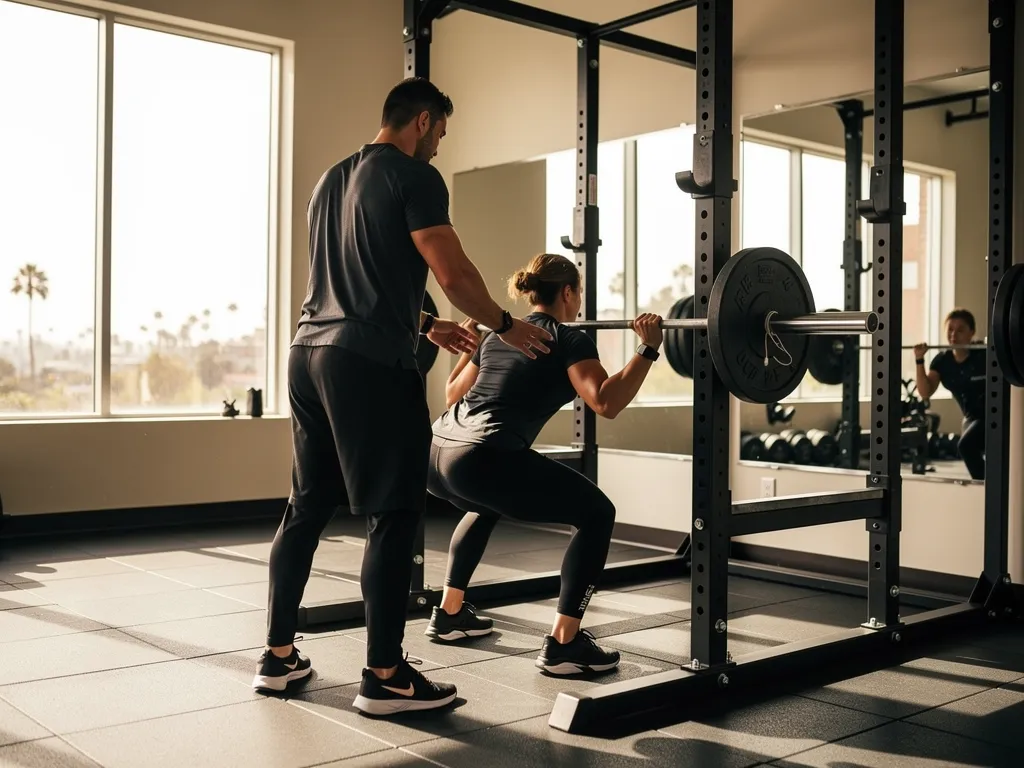
Coaching extends beyond counting reps. Trainers watch for compensations, cue breathing patterns, and adjust hand or foot placement mid-set. This constant assessment prevents the imbalances that later turn into injuries. Clients receive immediate feedback, not a list of corrections emailed after the fact.

Subscription-based personal training keeps the coaching consistent. Clients commit to a recurring schedule, and the trainer tracks progress across weeks rather than isolated sessions. This structure supports steady muscle gain and fat loss without the stop-start pattern of drop-in appointments. Pricing varies by package, making regular sessions accessible for San Diego professionals across UTC, La Jolla, Carmel Valley, and Del Mar.

How do you start your strength journey?

Starting a strength journey in San Diego begins with a clear, data-driven assessment of current fitness levels. A complimentary, no-obligation body composition exam provides the baseline metrics that shape every subsequent decision. Without this initial measurement, clients lose the ability to track progress objectively and risk wasting weeks on ineffective programming.

Personalized Strength Workout Plans San Diego emerge directly from this first evaluation. The exam reveals muscle mass distribution, body fat percentage, and metabolic indicators that generic templates ignore. Trainers then translate those numbers into a targeted plan.

What happens during the initial fitness assessment?

The assessment captures precise body composition data rather than relying on weight alone. A trainer reviews the results alongside movement patterns and any prior injuries. This process identifies imbalances before they become setbacks.

How are goals built into a strength program?

Iron Orr Fitness works with each client to create specific goals and design a personalized lifestyle system. The conversation moves beyond vague targets like “get stronger” toward measurable outcomes tied to the assessment data. A program then takes shape around those objectives, recovery capacity, and weekly schedule constraints.

The company structures its approach around accessibility. Multiple personal training packages fit any budget, removing cost as a barrier to expert guidance. Clients select a subscription that matches their frequency needs and financial comfort. From that point forward, every session builds on the previous one. Progress compounds. The initial exam becomes the reference point for celebrating every milestone achieved.

FAQ

What makes Iron Orr Fitness different from generic workout programs?

Iron Orr Fitness pairs clients with NASM-certified trainers who assess the kinetic chain and correct imbalances before they become injuries, unlike generic templates that ignore injury history and mobility restrictions.

How do trainers prevent injuries during strength training?

Trainers continuously evaluate a client’s kinetic chain, watch for early signs of compensation, and correct them before they become injuries, adapting programming to pre-existing conditions and prior injuries.

How does a personalized strength plan start in San Diego?

A complimentary, no-obligation body composition exam gives the trainer baseline data on a client’s current physique before mapping a progressive plan toward fat loss or muscle gain.

Conclusion

A personalized strength plan built on real data and expert coaching delivers results that generic templates cannot match. Your next step is scheduling that complimentary body composition exam to establish your baseline, then letting a certified trainer translate those numbers into a program designed specifically for your body, your goals, and your schedule.

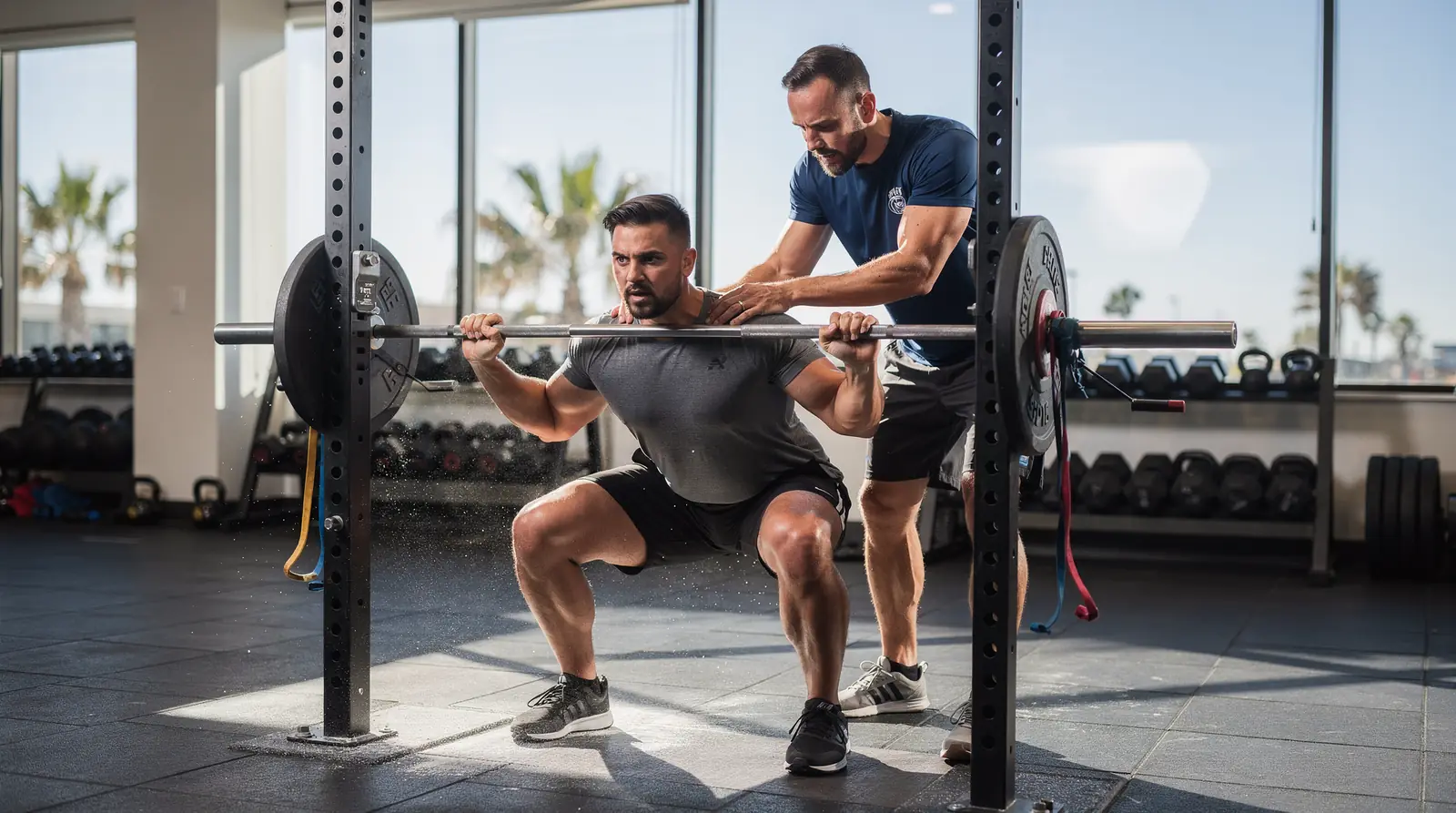
Unlock Strength Gains with Advanced Coaching in San Diego
What Makes Advanced Strength Coaching Different in San Diego

Advanced strength training coaching in San Diego pairs certified trainers with sport-specific programming for competitive athletes. Iron Orr Fitness offers 1-on-1 coaching emphasizing injury prevention, born from founder Justin’s Olympic training injury. Clients gain power, speed, and resilience through supervised sessions prioritizing technique before weight for lasting athletic performance.

What Makes Advanced Strength Coaching Different?

Advanced strength coaching replaces generic programming with a systematic, injury-prevention-first methodology. Advanced Strength Training Coaching San Diego demands constant kinetic chain assessment, not just heavier weights and more reps.

Iron Orr Fitness built its entire platform on a hard lesson. The company’s founder sustained a serious injury while training for the Olympics. That experience forged an uncompromising commitment to trust and injury-free progress. Every program now reflects that origin story.

How does advanced coaching prevent injuries before they start?

Trainers continuously assess each client’s kinetic chain during every session. They watch for imbalances and compensations that later turn into injuries. This vigilance stops problems at their source rather than rehabilitating damage after it occurs.

The approach matters most for athletes in high-intensity environments. Club sports, travel ball, and varsity programs create relentless physical demands. Without proven techniques, bad habits form quickly and injury risk climbs. Iron Orr Fitness programs actively prevent those bad habits from taking root.

What happens when an athlete has a previous injury?

Programming adapts to compensate for pre-existing conditions and previously incurred injuries. A client with an old shoulder issue receives a program built around that reality. The training pushes performance forward without aggravating vulnerable areas.

This level of customization separates advanced coaching from standard personal training. The focus stays on sustainable athletic development rather than short-term gains that break the body down. Every exercise selection, every load progression, and every movement correction serves the dual purpose of building strength while preserving structural integrity.

How Do Biometric Assessments Break Plateaus?

How Do Biometric Assessments Break Plateaus in San Diego

Biometric assessments shatter performance plateaus by replacing guesswork with hard physiological data. A complimentary, no-obligation body composition exam serves as the starting point for understanding a client’s baseline and identifying what limits progress. Without this data, athletes in San Diego waste months chasing methods that fail to address their specific metabolic and structural bottlenecks.

Advanced Strength Training Coaching San Diego demands precision. Medical-grade assessments provide the data needed to design a personalized lifestyle system around specific goals. Iron Orr Fitness builds each program from objective metrics, not assumptions. The company’s trainers translate body composition numbers, movement screens, and recovery markers into targeted interventions that unlock stalled progress.

What data do biometric assessments actually measure?

The assessments capture far more than weight on a scale. Body fat percentage, lean muscle mass distribution, and metabolic rate form the core dataset. Movement pattern analysis reveals compensations and imbalances that silently cap performance. This information exposes the real reason a deadlift stalls or sprint times plateau.

How often should athletes reassess to stay ahead of plateaus?

Reassessment timing depends on training phase and goals. A supervised program of 2 to 3 sessions per week, with technique prioritized over weight, builds power and reduces injury risk. Biometric tracking within this structure allows trainers to spot stagnation before it becomes a setback. Iron Orr Fitness came into existence from Justin’s terrible experience of getting hurt training for the Olympics.

The company’s approach turns biometric data into actionable programming adjustments. Session packs, biometric tracking, and the established system keep San Diego athletes advancing when others stall. Each reassessment recalibrates the training stimulus, ensuring continuous adaptation without overtraining or injury.

What Does Periodized Strength Programming Include?

What Does Periodized Strength Programming Include in San Diego

Periodized strength programming structures training into distinct phases that build toward peak performance and long-term athletic development. Iron Orr Fitness designs each phase around an athlete’s specific competitive calendar and physiological needs.

A properly constructed periodized plan divides the training year into macrocycles, mesocycles, and microcycles. Each cycle targets a different adaptation. One block emphasizes hypertrophy and work capacity. A subsequent block shifts focus to maximal strength output. The final competitive phase converts those gains into explosive power and sport-specific speed. Without this structured variation, performance plateaus and overuse injury risk climbs sharply.

Advanced Strength Training Coaching San Diego demands this level of precision because competitive athletes in La Jolla, UTC, and Del Mar train year-round. Club sports, travel ball, and varsity programs create intense, overlapping seasons that punish haphazard programming.

What training adaptations does each periodized phase target?

Strength training sharpens speed and agility while improving movement mechanics and building bone density for competitive athletes. The preparatory phase develops general physical preparedness and corrects muscular imbalances. Strength phases increase force production capacity. Power phases teach the neuromuscular system to apply that force rapidly. Each phase stacks on the previous one, so skipping a phase erodes the entire chain.

Iron Orr Fitness builds these custom programs around each athlete’s goals, whether the priority is muscle gain, fat loss, or body recomposition. Every program integrates nutritional guidance directly into the periodized schedule, adjusting macronutrient targets to match the demands of each training block.

Why does injury prevention require periodized programming?

The training system is results-driven and injury-safe, combining certified coaching with custom program design. Coaches constantly assess each athlete’s kinetic chain, watching for compensations that later become injuries. Periodization prevents overtraining by managing volume and intensity across weeks and months. When load increases too fast or recovery stays insufficient for too long, soft tissue breaks down. At Iron Orr Fitness, we offer muscle gaining, weight loss, and muscle toning personal trainer services in the San Diego area.

Why Is Injury Prevention Critical for Athletes?

Injury prevention determines whether an athlete competes or sits on the sidelines. A single preventable injury erases months of training and stalls competitive momentum. Iron Orr Fitness builds every training program around the principle that athletes reach their physical, mental, and emotional goals without getting hurt. The company’s trainers continuously assess each client’s kinetic chain, watching for imbalances and compensations that later turn into injuries. This vigilance makes safety a constant priority rather than an afterthought.

San Diego’s competitive sports landscape demands this level of attention. Club sports, travel ball, and varsity programs create intense environments where athletes push their limits daily. Without proven techniques to reduce injury risk, bad habits form quickly and compound over time. Iron Orr Fitness addresses these risks through advanced strength training coaching San Diego athletes rely on to stay durable through long seasons.

How do training imbalances lead to injuries?

Imbalances force the body to compensate during movement. A weak hip stabilizer shifts load to the knee. Tight shoulders restrict overhead range and strain the elbow. Iron Orr Fitness trainers identify these patterns early and correct them before tissue damage occurs. The company also programs around pre-existing conditions and previous injuries, ensuring every session builds resilience rather than risk.

What role does mental preparation play in staying injury-free?

Mental skills strengthen the inner game and help athletes navigate high-pressure training environments. Athletes who develop awareness of their thoughts, feelings, and actions perform more consistently under stress. This consistency reduces the erratic movement patterns that often precede acute injuries. Iron Orr Fitness integrates this mind-body connection into its coaching approach, recognizing that physical durability starts with mental clarity.

How Do You Start Advanced Coaching in San Diego?

Starting Advanced Strength Training Coaching San Diego begins with a complimentary, no-obligation body composition exam. Iron Orr Fitness pairs each client with a top 1-on-1 personal trainer for this initial assessment. The exam establishes baseline metrics that shape every subsequent training decision.

The process moves quickly. After the exam request, the Iron Orr Fitness team calls within one hour to schedule the session. No membership fee stands between a client and that first appointment. Two UTC locations serve the San Diego area with open gym access and complimentary classes.

What Happens During the First Session?

The body composition exam measures current physical status without pressure or commitment. A certified trainer reviews the results and maps a starting point for strength work. Clients leave with a clear picture of where they stand and what comes next.

Where Does the Coaching Take Place?

Iron Orr Fitness operates two gym locations in UTC, serving clients across San Diego. The facilities provide no-membership-fee access, so training begins without long-term contracts. Complimentary classes supplement the one-on-one coaching experience.

The coaching team stays with each client through every phase of the program. Progress tracking, program adjustments, and technique refinement continue session after session. Iron Orr Fitness commits to walking alongside clients toward their fitness goals, from the first exam through measurable results.

FAQ

What makes advanced strength coaching different from generic programming?

It demands constant kinetic chain assessment rather than just heavier weights and more reps.

How do biometric assessments break plateaus?

Biometric assessments replace guesswork with hard physiological data, starting with a complimentary, no-obligation body composition exam. Trainers translate body composition numbers, movement screens, and recovery markers into targeted interventions that unlock stalled progress.

Conclusion

Advanced strength training coaching in San Diego replaces guesswork with a systematic, injury-prevention-first methodology. Your next step is a complimentary body composition exam that establishes baseline metrics and pairs you with a certified trainer who maps your starting point. From that first session, you receive constant kinetic chain assessment and program adjustments that keep you durable through long competitive seasons.

Mastering Strength Training Techniques for Beginners in San Diego
What do you need before starting strength training in San Diego

Strength training for beginners in San Diego starts with two or three full-body sessions weekly, light weights, and perfect form. Iron Orr Fitness recommends building flexibility and core strength first. At Iron Orr Fitness, we offer muscle gaining, weight loss, and muscle toning personal trainer services in the San Diego area. Each and every one of our core services also provides nutritional guidance, expert health and workout recommendations, and more.

What do you need before starting strength training?

A beginner’s strength training journey demands preparation, not just enthusiasm. Strength Training Techniques for Beginners San Diego start with a clear, safe plan: two or three full-body sessions per week using light weights and perfect form. Skipping this foundation invites setbacks. Joint strain and discouragement replace progress when new lifters rush into heavy loads without the right groundwork.

What physical foundation should a beginner build first?

Flexibility, tendon strength, and core stability come before adding significant weight. A San Diego trainer’s approach, grounded in Tudor Bompa’s five basic laws, prioritizes these elements. The body adapts to stress gradually. Neglecting this sequence increases injury risk and stalls long-term muscle development.

How does professional guidance change the starting point?

Expert coaching transforms a confusing process into a structured path. At Iron Orr Fitness, our certified trainers deliver customized workout plans, nutrition coaching, and proven strategies to help you achieve lasting results. This expertise catches harmful movement compensations early. Preparation checklist for new lifters:

  • Schedule two or three non-consecutive training days each week.
  • At Iron Orr Fitness, we offer muscle gaining, weight loss, and muscle toning personal training services in the San Diego area.
  • Master bodyweight squats, hinges, and planks before loading.
  • Identify a qualified coach to assess posture and movement patterns.
Which compound movements should beginners master first in San Diego

Which compound movements should beginners master first?

Beginners build the fastest strength by mastering a handful of compound movements. These multi-joint exercises recruit large muscle groups, mimic real-world actions, and create the neurological adaptations that drive early progress. Skipping them delays results and increases injury risk.

Why do compound exercises matter more than isolation moves for new lifters?

Compound lifts deliver superior efficiency. A single squat session activates the quads, hamstrings, glutes, and core simultaneously. Isolation moves like leg extensions target one muscle at a time. For a San Diego beginner with limited training hours, compounds produce more strength per minute. Functional strength training involves simple everyday actions that build strength and enhance balance, according to Scripps AMG. Squatting, pressing, and hinging translate directly to lifting groceries, climbing stairs, or paddling a surfboard at La Jolla Shores.

What are the first five compound movements a beginner should learn?

New lifters in San Diego gyms should sequence these five foundational patterns. Each one teaches a critical motor skill that transfers to more advanced lifts later.

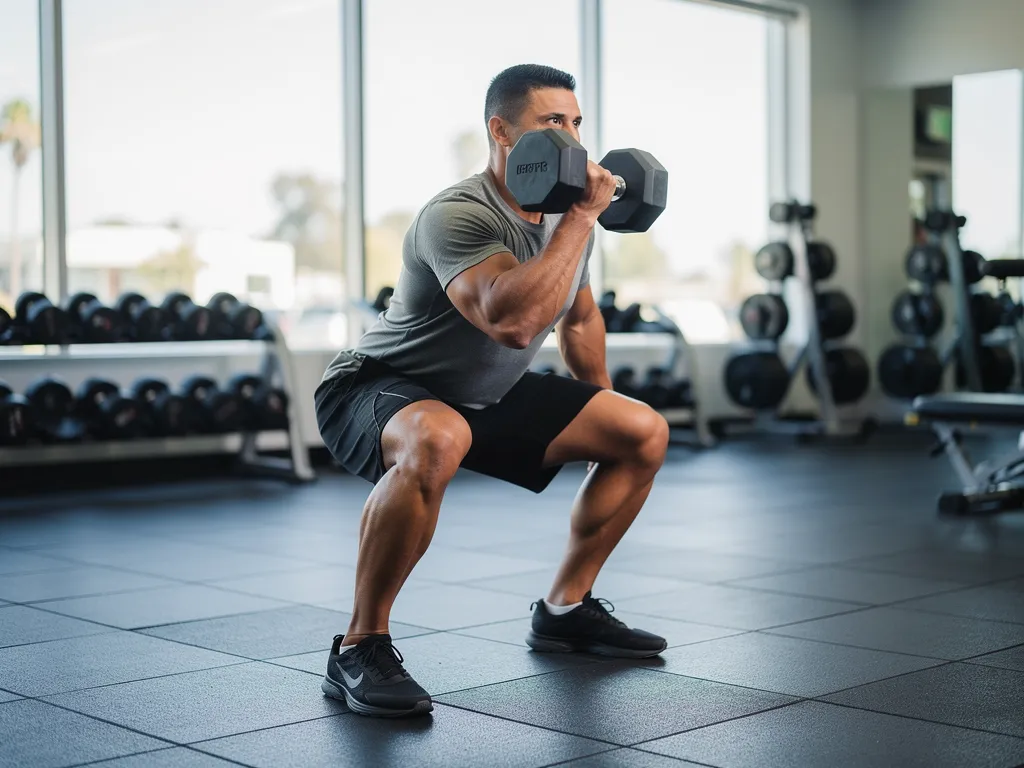
  1. Goblet Squat

Hold a single dumbbell or kettlebell against the chest. Descend until the elbows touch the inside of the knees. This movement teaches upright torso positioning and full depth without spinal loading. Master the goblet squat before touching a barbell.

  1. Trap Bar Deadlift

Step inside the hexagonal bar and grip the handles at the sides. The trap bar shifts the load closer to the body’s center of mass. Beginners learn the hip hinge pattern with far less lower-back stress than a conventional deadlift.

  1. Dumbbell Bench Press

Lie flat on a bench with a dumbbell in each hand. Lower the weights until the elbows reach bench level, then press up. Dumbbells allow each arm to move independently. This exposes and corrects side-to-side strength imbalances early.

  1. Chest-Supported Row

Set an incline bench to 45 degrees and lie face-down. Row dumbbells toward the hips while keeping the chest pressed into the pad. The support eliminates momentum and protects the lower back. Rows build the posterior shoulder and upper back strength that counters the forward-rounded posture of desk work.

  1. Farmer’s Carry

Pick up a heavy dumbbell in each hand and walk 30 to 50 yards with perfect posture. This loaded carry builds grip strength, core stability, and full-body tension. It is the simplest compound movement and one of the most transferable to daily life.

How does a trainer prevent injury during compound lifts?

Proper coaching catches problems before they become injuries. Iron Orr Fitness trainers constantly assess a client’s kinetic chain to prevent imbalances and compensations that later turn into injuries. The company’s programming compensates for pre-existing conditions or previously incurred injuries. This approach stems directly from founder Justin’s experience of getting hurt training for the Olympics in 2002. Every squat depth, row angle, and carry distance adjusts to the individual’s current mobility and injury history. Beginners in San Diego who train under this model build strength training techniques for beginners without the setbacks that derail solo efforts.

How do you apply progressive overload safely in San Diego

How do you apply progressive overload safely?

Progressive overload means adding small, steady increases in weight only after form and core strength are solid. Rushing the load before the foundation is set invites joint strain and stalled progress. Strength Training Techniques for Beginners San Diego start with two or three full-body sessions weekly, light weights, and perfect form.

What should a beginner master before adding weight?

A beginner builds flexibility, tendon strength, and core stability first. These three qualities protect the kinetic chain when load increases later. Skipping this phase turns a simple progression into a recurring injury cycle.

How much weight should be added each week?

Add the smallest increment available, typically 2.5 to 5 pounds for upper-body lifts. Lower-body movements tolerate slightly larger jumps. The goal is completing every rep with clean technique before the next increase.

Follow this sequence for safe progression:

  1. Perform the movement with light weight for two or three sessions.
  2. Confirm every rep matches the target tempo and range of motion.
  3. Add the smallest plate increment on the next session.
  4. Repeat the process only when all prescribed reps stay clean.

Claim your Complimentary, No-Obligation Body Composition Exam with San Diego’s top 1-on-1 Personal Trainer. Gaining muscle is a science involving proper training and nutrition, not just effort. Clients who chase load without assessment lose months to setbacks that proper programming prevents.

What does a beginner’s weekly schedule look like?

A beginner’s weekly schedule includes two or three full-body sessions, with rest days between each workout. This frequency builds strength without overwhelming joints, tendons, or a nervous system still learning new movement patterns.

Consistency matters more than intensity during the first eight weeks. Skipping sessions stalls progress and leaves beginners vulnerable to the frustration that ends most fitness journeys before results appear.

How many rest days should a beginner take?

Rest days are non-negotiable. A Monday-Wednesday-Friday schedule gives muscles 48 hours to recover between sessions. Beginners who train on consecutive days risk joint pain and stalled strength gains.

What does a sample week look like?

  1. Monday: Full-body strength session focusing on form with light weights.
  2. Tuesday: Rest or light walking along Mission Bay.
  3. Wednesday: Full-body session with small, steady increases in load.
  4. Thursday: Rest or gentle mobility work.
  5. Friday: Full-body session reviewing technique from the week.
  6. Saturday: Active recovery, such as a flat hike at Torrey Pines.
  7. Sunday: Complete rest.

Iron Orr Fitness serves clients across UTC, La Jolla, Carmel Valley, and Del Mar with NASM-certified trainers. The company’s two UTC locations provide no-membership-fee gym access and complimentary classes. Trainers design personalized lifestyle systems for each client, adjusting the weekly schedule around work demands, prior injuries, and recovery capacity.

How do you avoid common beginner mistakes?

Avoiding common beginner mistakes starts with mastering form before chasing heavier weights. Strength training techniques for beginners in San Diego demand patience, precision, and a willingness to build foundational stability first.

Beginners who skip this step risk setbacks that derail progress for weeks or months. The cost of rushing is not just stalled gains. It is joint pain, muscle imbalances, and the frustration that causes many new lifters to quit entirely.

What is the biggest mistake beginners make in the gym?

The biggest mistake is prioritizing load over technique. A San Diego trainer’s guide emphasizes starting with two or three full-body sessions weekly using light weights and perfect form. Building flexibility, tendon strength, and core stability creates the platform for safe progression. Without that platform, every added pound multiplies injury risk.

How can a trainer help prevent workout injuries?

A qualified trainer spots compensations before they become injuries. Iron Orr Fitness was founded specifically so clients could reach physical goals without getting hurt. Trainers continuously assess each client’s kinetic chain, watching for imbalances and adjusting programming to accommodate pre-existing conditions. This vigilance keeps beginners training consistently instead of sidelined.

Common pitfalls also extend beyond the gym floor. Nutritional missteps sabotage results just as quickly as poor form. The company’s system addresses every weight loss challenge clients face, eliminating yo-yo dieting through proven, sustainable methods. Beginners who pair smart training with structured nutrition avoid the cycle of losing and regaining the same 10 pounds.

A practical starting point for any San Diego resident is a professional assessment. Iron Orr Fitness offers a complimentary, no-obligation body composition exam. This baseline measurement reveals exactly where a beginner stands, making it possible to track real progress from day one rather than guessing.

FAQ

How many strength training sessions should a beginner do each week?

Two or three full-body sessions weekly with light weights and perfect form. Non-consecutive training days are recommended to allow proper recovery and adaptation.

What should a beginner master before adding significant weight?

Flexibility, tendon strength, and core stability come first. Bodyweight squats, hinges, and planks should be mastered before loading any weight.

What kind of guidance does Iron Orr Fitness provide for beginners?

Certified trainers deliver customized workout plans, nutrition coaching, and proven strategies. Services include muscle gaining, weight loss, and muscle toning personal training in San Diego.

Conclusion

The path to lasting strength starts with patience, precision, and a professional assessment of where you stand today. Master the fundamentals, respect recovery, and let small, consistent increments build your foundation. Your next step is booking that complimentary body composition exam to establish your baseline and begin a program designed around your unique body, schedule, and goals.