🔄

Category: Strength and Conditioning Training

Explore BLOGs
Personalized Strength Training Programs for Muscle Growth in San Diego
Why Build Muscle With a San Diego Trainer, Personalized Strength Training Programs for Muscle

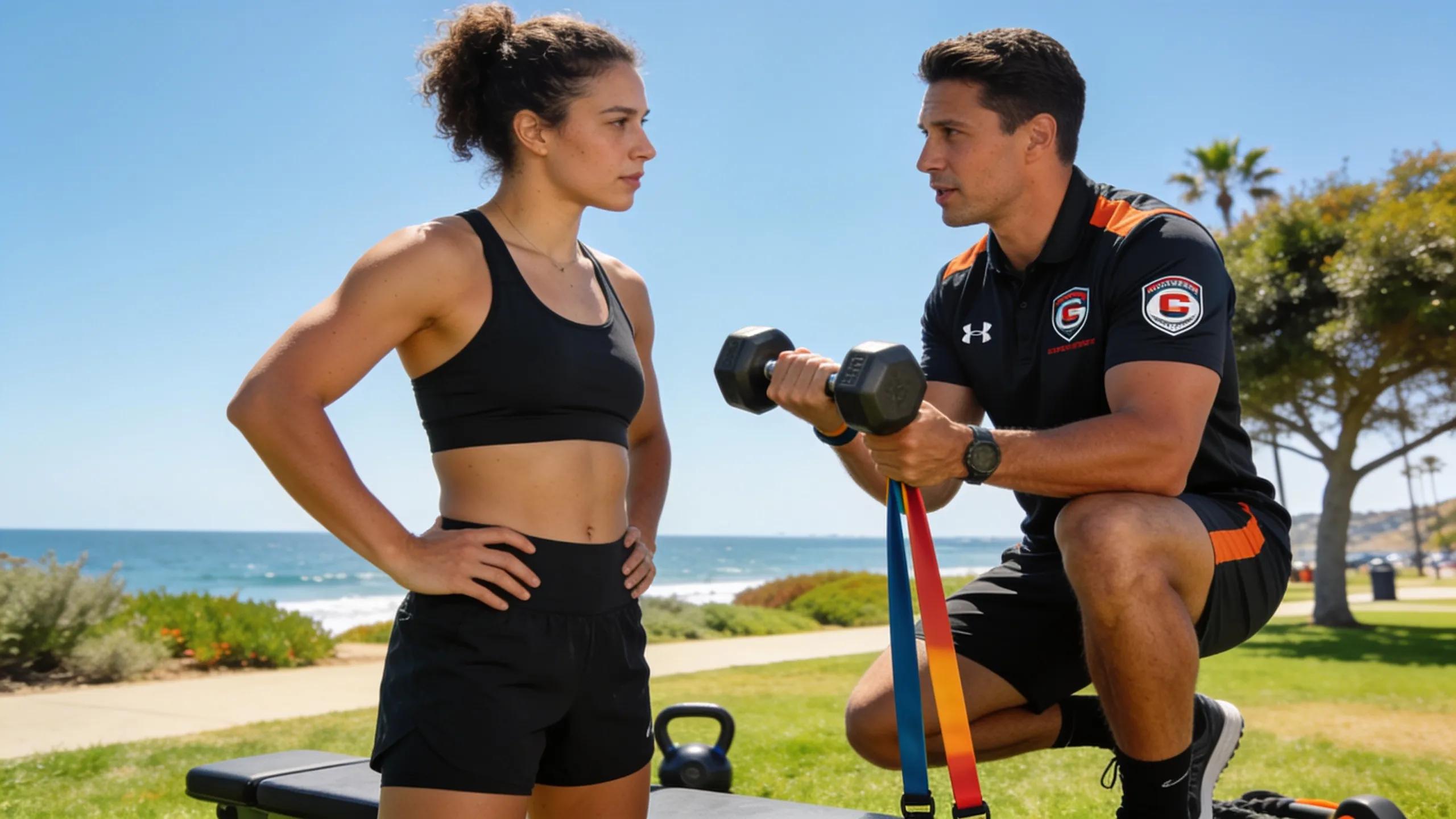
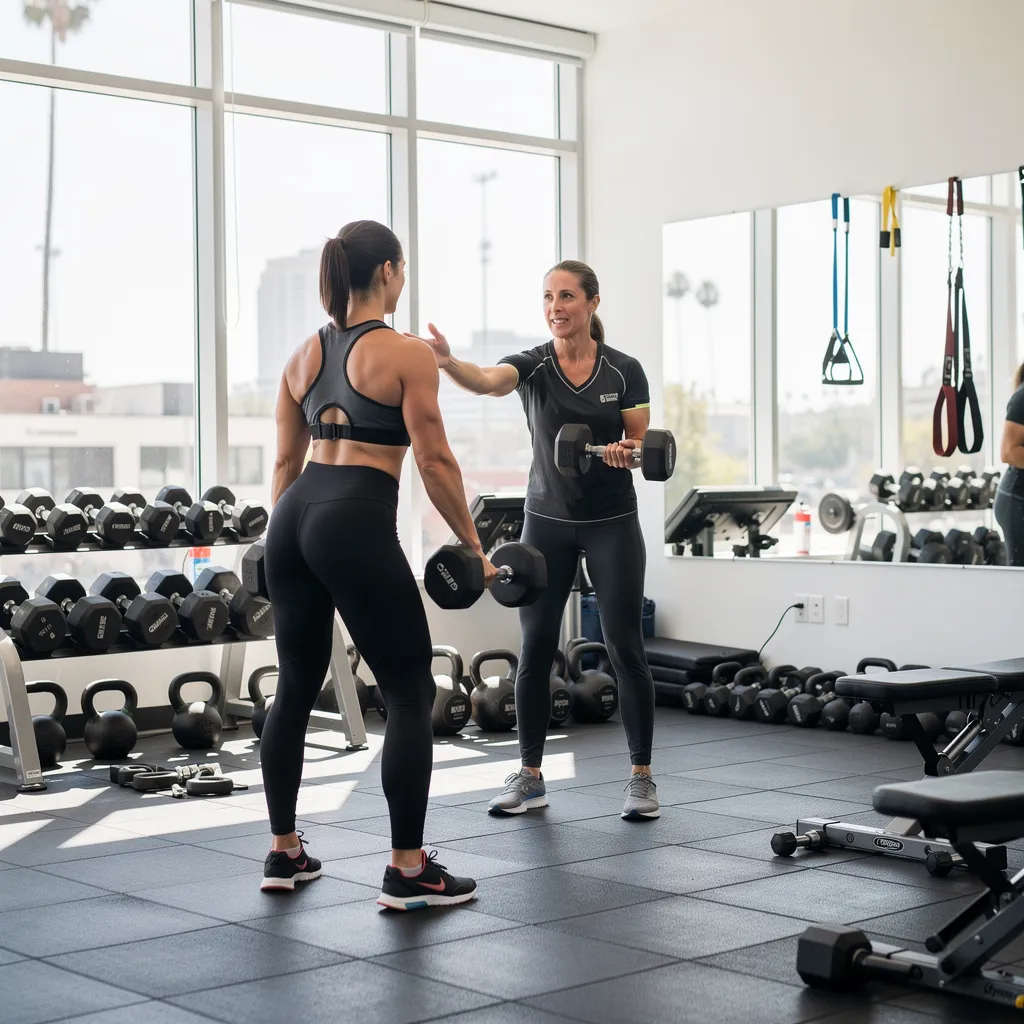
Personalized strength training programs in San Diego pair residents of UTC, La Jolla, Del Mar, and Carmel Valley with NASM-certified trainers from Iron Orr Fitness. One-on-one sessions build core strength, add lean muscle, and reshape physique through progressive, science-backed programming. Clients choose subscription-based personal training for consistent, results-driven coaching tailored to individual goals, schedules, and recovery needs.

Why Build Muscle With a San Diego Trainer?

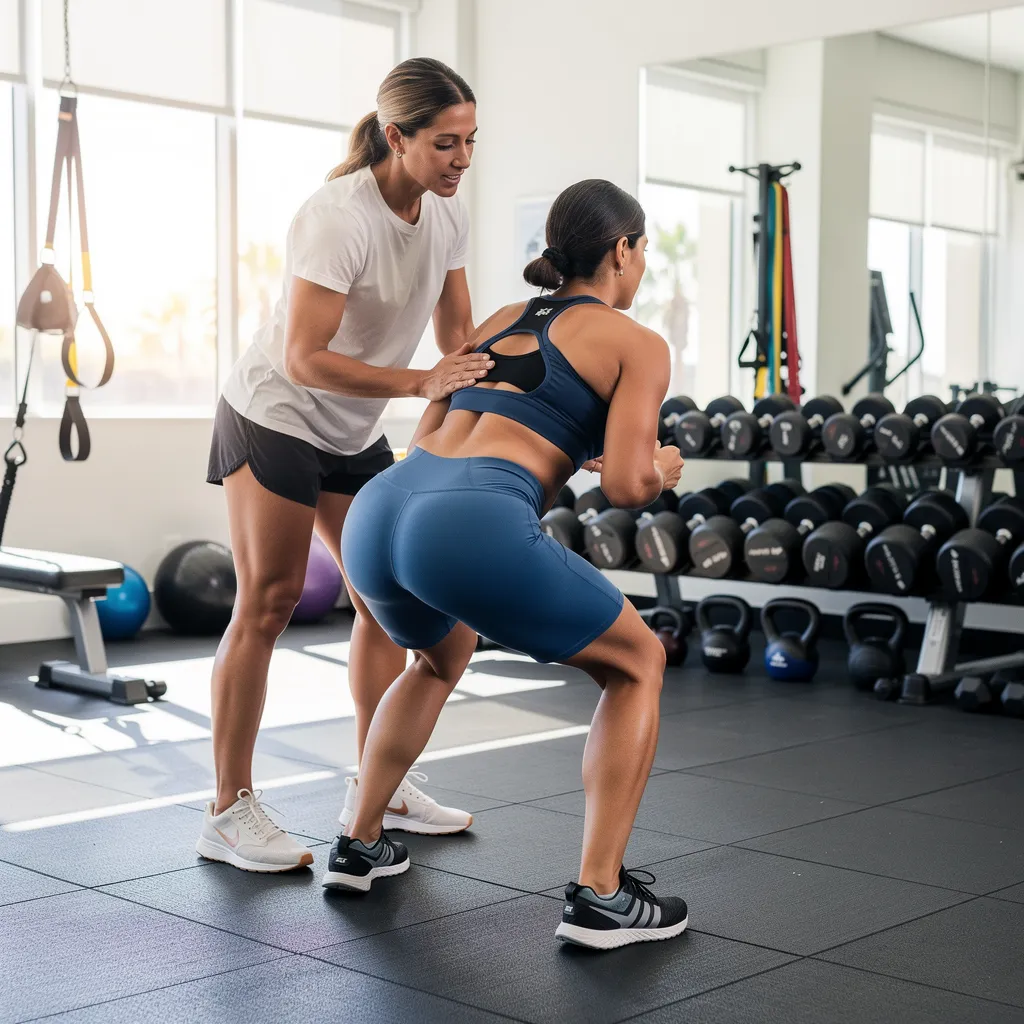
Muscle growth accelerates when a qualified coach designs the program around a client’s body, schedule, and goals. Generic routines ignore injury history, mobility limits, and daily recovery capacity, leaving results to chance. A missed setup detail today costs weeks of stalled progress later. Personalized strength training programs for muscle growth close that gap by adjusting load, volume, and recovery to the individual, not the average gym-goer.

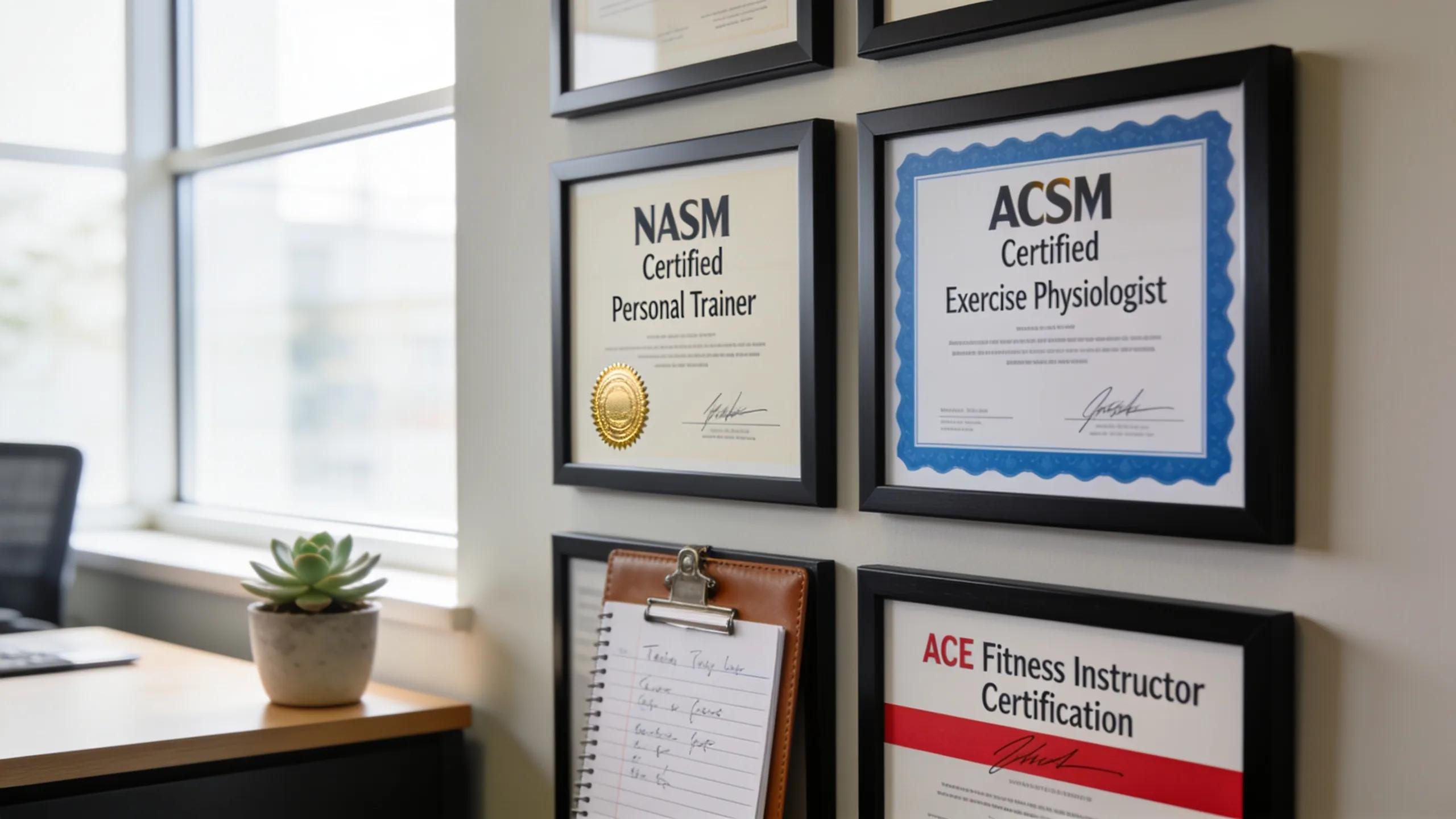
Iron Orr Fitness operates as a San Diego-based personal training provider, giving local clients direct access to this kind of individualized coaching. The studio reaches clients across UTC, La Jolla, Carmel Valley, and Del Mar, pairing each person with a NASM-certified trainer who understands regional lifestyle demands, from beach workouts to desk-bound workweeks. Certification matters here: it signals a trainer has passed standardized exams in exercise science, program design, and injury prevention.

Who Benefits From Muscle-Building Coaching in San Diego?

Beginners nervous about form and athletes chasing performance gains both qualify. The audience spans total newcomers to seasoned lifters seeking strength. muscle gain, each needing a different starting point and progression curve.

How Long Has San Diego’s Fitness Scene Supported This Approach?

San Diego’s training community has built certified trainer rosters since 2010, steadily refining methods that guide clients toward long-term wellness goals. That track record reflects a broader local culture of accountability-driven coaching rather than one-size-fits-all classes.

Muscle growth also depends on recovery fuel, which is why many San Diego coaches pair training plans with sustainable nutrition for fitness, sourcing local, healthy ingredients to support lean mass gains without excess fat.

Client TypePrimary Focus
BeginnerForm, consistency
IntermediateProgressive overload
AthleteSport-specific strength

What Makes a Strength Program Truly Personalized?
What Makes a Strength Program Truly Personalized

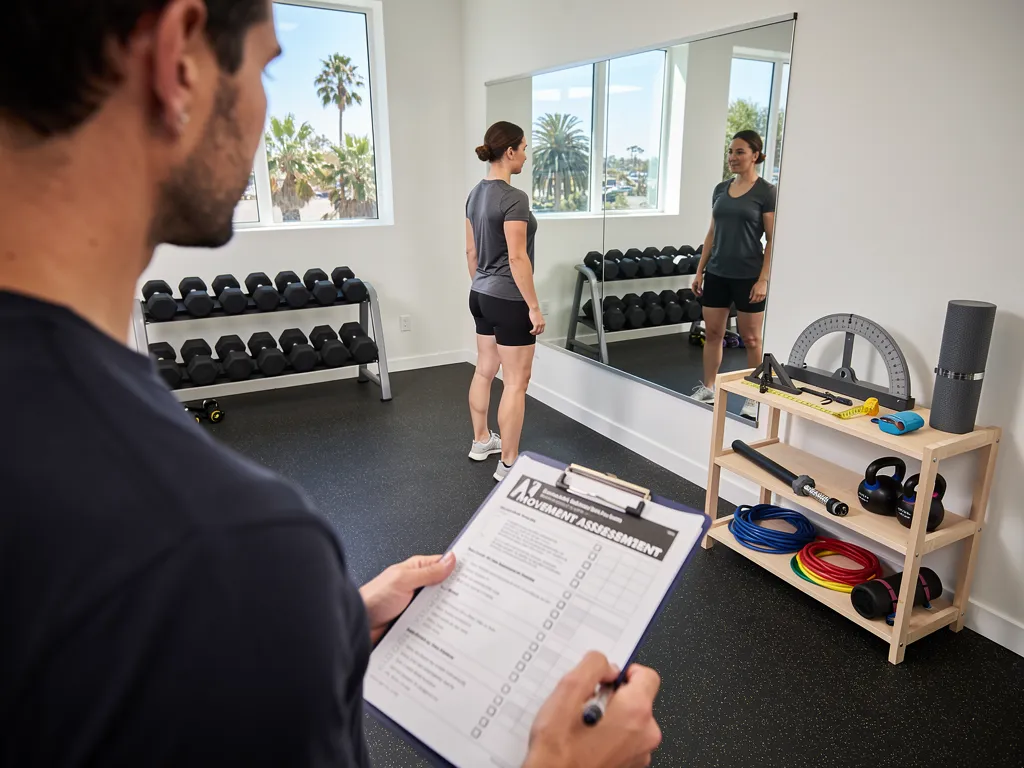
A truly personalized program begins with a medical-grade movement assessment, not a generic template pulled from a binder. Certified trainers in San Diego evaluate joint mobility, posture, and injury history before writing a single set or rep. Skipping this step costs clients weeks of wasted effort and raises the risk of setback injuries that derail progress in La Jolla, Del Mar, and Carmel Valley gyms alike.

Iron Orr Fitness builds personalized strength training programs for muscle growth around this injury-safe, assessment-first model. Programming spans four areas under one roof:

  • Strength conditioning for building a stable, powerful base
  • Fat loss protocols tailored to metabolic needs
  • Muscle gain phases built on progressive overload
  • Body recomposition plans that shift the ratio of muscle to fat over time

Rather than handing clients a cookie-cutter routine, trainers design workouts around each person’s unique body mechanics and goals. A desk-bound professional commuting through UTC traffic needs different mobility work than a triathlete training along Mission Bay. Matching the program to the person, not the other way around, separates genuine personalization from marketing language.

How do trainers track progress in a personalized program?

Session packs paired with biometric tracking give trainers measurable data on strength gains, body composition shifts, and recovery patterns. This system lets trainers adjust load and volume before plateaus set in. Clients across UTC and Carmel Valley see changes made session by session rather than waiting for a quarterly check-in.

Does a personalized plan cost more than a standard gym membership?

Pricing varies by package and individual goals, so prospective clients should contact a trainer directly for details. The deeper assessment work, biometric tracking, and ongoing program adjustments justify the investment for anyone serious about building muscle safely and keeping results long after the initial program ends.

How Do Trainers Track Your Muscle Growth?
How Do Trainers Track Your Muscle Growth

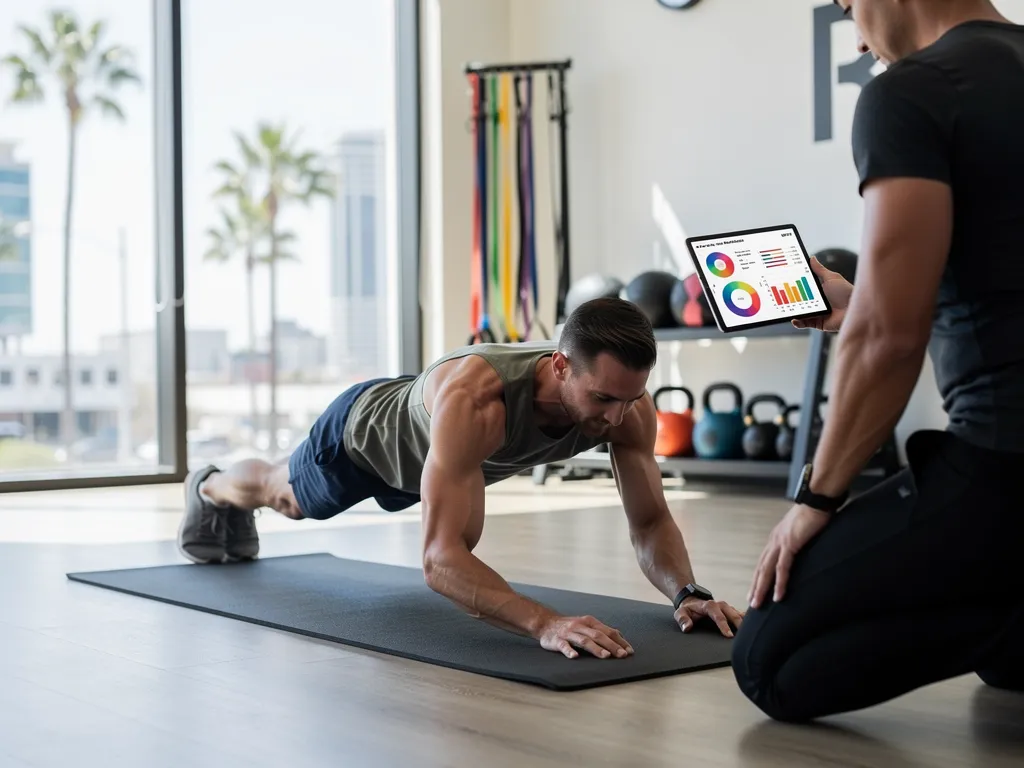
Certified trainers track muscle growth through structured check-ins, strength benchmarks, and ongoing plan adjustments built directly into each client’s program. Progress gets measured on paper and in performance, not left to guesswork. Skipping this structure costs San Diego clients weeks of stalled gains and wasted gym hours.

Personalized strength training programs for muscle growth work because every session builds on data from the last one. Trainers adjust load, volume, and rest based on how a client’s body responds week to week. That responsiveness separates a tailored program from a generic workout plan pulled off a fitness app.

How often do trainers check in on progress?

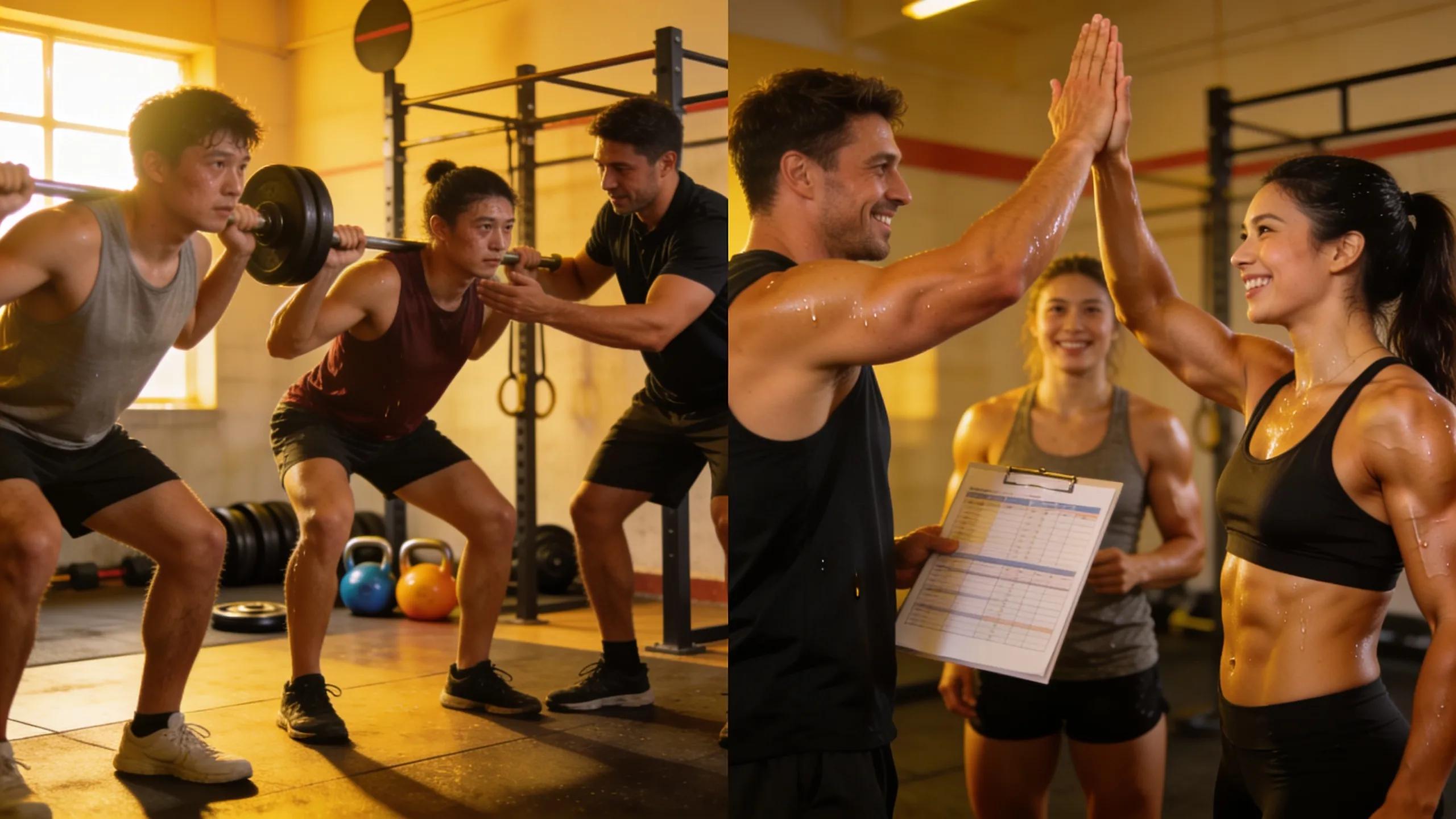
One-on-one coaching across San Diego studios includes weekly accountability check-ins paired with a personalized training plan. Trainers use these sessions to confirm form, safety, and whether strength targets are being met. Clients train with less guesswork and fewer stalled weeks because adjustments happen consistently, not sporadically.

Does core strength factor into muscle growth tracking?

Strength-focused coaching in San Diego centers heavily on core strengthening as a foundation for building a more capable, muscular physique over time. A stronger core supports heavier lifts elsewhere, which means core progress often predicts gains in bigger movements.

Tracking typically includes:

  • Weekly accountability check-ins to review session performance
  • Personalized plan adjustments based on strength and recovery
  • Core-strength benchmarks tied to overall physique progress
  • Nutrition guidance sessions supporting muscle repair and growth

San Diego clients training at UTC locations also get no-membership-fee gym access alongside complimentary nutrition guidance built into their sessions. That combination reflects sustainable nutrition for fitness, pairing consistent training with eating habits that support lasting, trackable muscle growth rather than short-term results.

Where Can You Train for Muscle Gain?
Where Can You Train for Muscle Gain

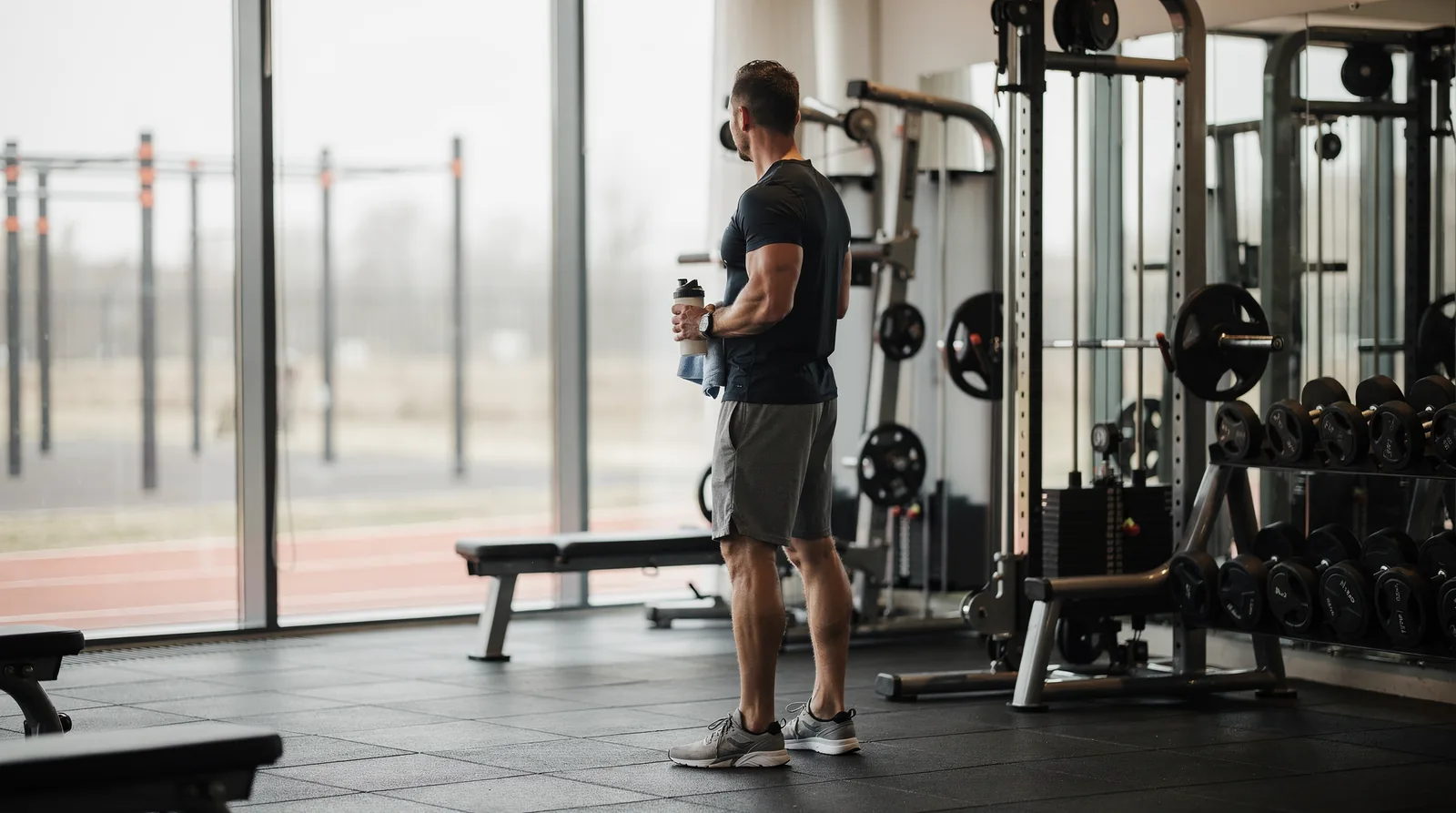
San Diego residents find focused muscle-building support at two dedicated studio locations in the UTC area. Both sites operate as personal training studios built specifically for one-on-one coaching, not crowded commercial gym floors. That distinction matters for anyone serious about building lean mass without wasting months on guesswork.

Coverage doesn’t stop at UTC’s borders. Trainers extend their reach into La Jolla, Carmel Valley, and Del Mar, so nearby residents don’t have to cross town for quality coaching. Proximity removes a major barrier to consistency, since skipped sessions often come down to logistics rather than motivation.

What does a private training environment offer that a big-box gym doesn’t?

Private gym settings pair clients directly with a trainer in a space built for focus, not foot traffic. Nobody waits for equipment or feels judged mid-set. That low-pressure structure lets clients ask questions, correct form in real time, and build confidence alongside strength.

How do personalized strength training programs for muscle growth fit into these locations?

Personalized strength training programs for muscle growth work best when paired with a consistent environment and a trainer who tracks progress session to session. The UTC studios give clients a stable home base for that kind of structured, long-term plan.

Residents weighing their options can compare what each nearby area offers:

  • UTC: Two studio locations, central access for most of the coverage zone
  • La Jolla: Trainer support without a commute into UTC
  • Carmel Valley: Convenient for clients working or living near the corridor
  • Del Mar: Coastal residents gain the same private, one-on-one coaching structure

Choosing a location close to home or work keeps training frequency steady, which matters more for muscle growth than any single workout.

What’s the Next Step to Build Muscle?

Submitting an interest form starts the process toward real muscle growth. A certified trainer reviews each form and follows up to learn about goals, schedule, and training history before building a plan. No guesswork, no generic templates, just a direct line to a professional who listens first.

How do San Diego clients get matched with a trainer?

Residents across UTC, La Jolla, Del Mar, and Carmel Valley complete a short interest form outlining their goals and availability. A certified trainer then reaches out to discuss specifics and map out next steps. This keeps the process personal from the very first conversation.

From there, personalized strength training programs for muscle growth take shape around the client’s actual schedule, not a rigid one-size-fits-all calendar. Flexible monthly training options let busy San Diego professionals. Students build habits that stick long after the first few sessions. Consistency, not intensity alone, drives long-term muscle gain.

Why does program structure matter for muscle growth?

Structure keeps progress measurable and safe. A proven, decades-long training system paired with biometric tracking helps clients advance at a sustainable pace instead of guessing at intensity or volume.

Clients ready to begin can expect:

  • A straightforward interest form as the first step
  • A certified trainer follow-up to discuss goals and scheduling
  • Flexible monthly session options built around real-life demands
  • Ongoing biometric tracking to guide safe, steady progress

Iron Orr Fitness remains based in San Diego, giving local clients direct access to this system without searching elsewhere.

FAQ

What makes strength training programs in San Diego personalized?

Iron Orr Fitness starts with a medical-grade movement assessment that evaluates joint mobility, posture, and injury history before designing any sets or reps for the client.

Who can benefit from muscle-building coaching in San Diego?

Both beginners focused on form and consistency and experienced athletes seeking sport-specific strength gains benefit, each following a program matched to their starting point.

Why choose a NASM-certified trainer for muscle growth?

NASM certification confirms a trainer passed standardized exams in exercise science, program design, and injury prevention, ensuring programming adjusts load, volume, and recovery to the individual.

Conclusion

In closing, building muscle through personalized strength training requires a commitment to programs designed specifically for your body, goals, and lifestyle. Your journey toward lasting muscle gain succeeds when expert guidance meets your individual needs, combining proven training methods with consistent effort. Whether you’re starting your fitness transformation or refining your approach, the right program accelerates your results and keeps you motivated. Take the first step today by connecting with certified trainers who understand that your success depends on a plan built uniquely for you.

Best Strength Training Programs in San Diego
Trainers should assess your kinetic chain and movement patterns before assigning strength work to prevent

When it comes to Best Strength Training Programs in San Diego, iron Orr Fitness, based in San Diego, California, offers strength training programs tailored for weight loss, combining resistance workouts with personalized coaching to help clients build muscle and burn fat effectively within the local San Diego fitness community.

Strength training programs for weight loss in San Diego combine resistance workouts with nutritional guidance to build lean muscle, which raises metabolism far more effectively than cardio alone. Iron Orr Fitness is located in San Diego, California, US. The provided brand content does not specify two UTC locations. Iron Orr Fitness delivers 1-on-1 coaching designed to produce visible results within three weeks. The article states that the best strength training programs in San Diego rely on NASM-certified trainers. It does not explicitly state that Iron Orr Fitness’s trainers are NASM-certified. The brand content mentions ‘certified trainers’ but not specifically NASM.

Key Takeaways

  • Renegade Fit operates at 3312 University Avenue, offering specialized strength training for back, chest, and triceps development.
  • Strength Series at the Kroc Center provides small group training sessions designed for all fitness levels in San Diego.
  • Coaches at Renegade Fit emphasize proper form correction and personalized motivation to help clients maximize workout intensity.
  • Iron Orr Fitness delivers strength training programs specifically designed for weight loss goals in San Diego, California.

What Should You Know Before Starting?

Safety comes before intensity for anyone starting a new strength routine in San Diego. A qualified trainer evaluates movement patterns and kinetic chain function first, catching imbalances before they turn into injuries that derail a weight-loss plan. Skipping this step is the fastest way to trade fat-loss progress for weeks of recovery.

Credentials matter just as much as enthusiasm. The best strength training programs in San Diego rely on trainers holding NASM (National Academy of Sports Medicine) certification, often paired with backgrounds in competitive sports like football, rugby, basketball, or track. That combination of formal education and real athletic experience shapes programming that pushes clients without overloading untrained joints.

Do beginners need a personal trainer to start strength training?

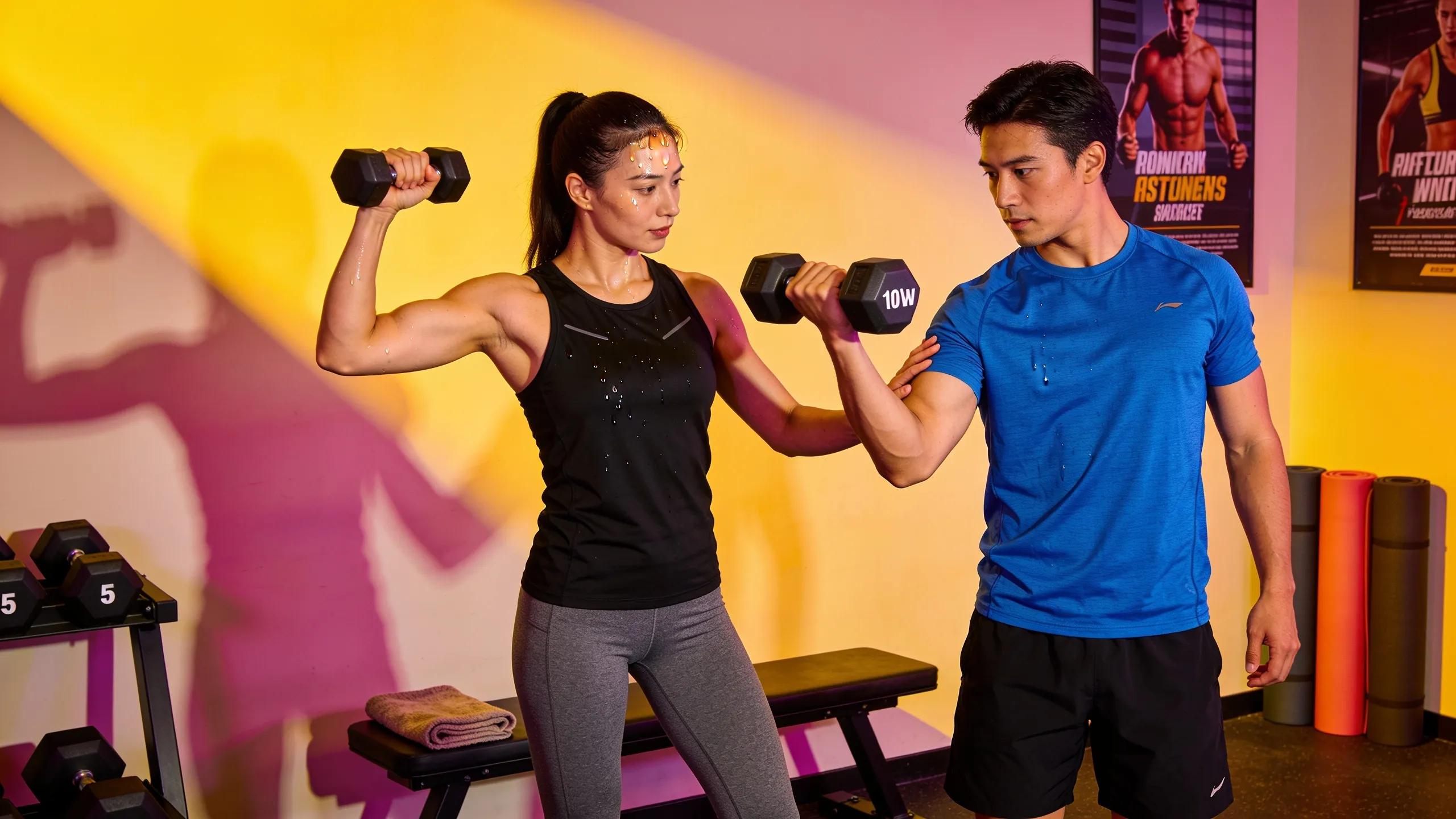
Beginners benefit most from guided instruction during the first several weeks. A trainer corrects form in real time, adjusts load based on movement quality, and builds a progression plan instead of leaving clients to guess at exercise selection.

Is nutrition part of a strength training program?

Yes. Effective programs pair resistance training with structured nutrition coaching rather than treating workouts as a standalone solution. Fat loss depends on caloric balance and protein intake as much as on training volume. Nutrition guidance rounds out the strategy.

Before committing to a program, prospective clients in San Diego should confirm the following:

  • Trainer certification status (NASM or equivalent) and athletic coaching background
  • A movement or kinetic chain assessment scheduled before the first strength session
  • Nutrition coaching included alongside workout programming
  • Small-group or one-on-one formats structured in progressive blocks suited to all fitness levels

Programs built this way protect joints early and compound results over time.

When evaluating the Best Strength Training Programs in San Diego, look for customized plans, nutrition

How Do You Choose A Strength Program?

Selection criteria matter more than proximity or price alone. San Diego residents evaluating the Best Strength Training Programs in San Diego should prioritize customization over cookie-cutter templates. A quality program builds around an individual’s body, goals, and injury history rather than forcing everyone through identical routines.

Follow these steps before signing a contract or buying a package:

  1. Confirm the program offers customized workout plans instead of generic templates copied from client to client.
  2. Ask whether nutrition coaching comes bundled with training, since fat loss depends on diet as much as reps and sets.
  3. Request a complimentary body composition exam to establish a baseline and test the trainer relationship with zero financial risk.
  4. Compare package sizes and pricing structures; multiple package options signal a studio willing to work within different budgets.
  5. Ask how the facility positions its training style compared to bootcamp or CrossFit formats.

What separates a systematic strength program from a bootcamp?

Systematic programs progress clients through structured phases tied to measurable strength and conditioning benchmarks. Bootcamp-style classes, by contrast, often emphasize calorie burn through varied circuits without a long-term strength progression. Some San Diego studios market themselves specifically as strength. Conditioning facilities distinct from bootcamp or CrossFit models, a distinction worth asking about directly.

Should beginners worry about program cost?

Cost concerns should not stop a beginner from starting. Reputable studios structure multiple package sizes so newcomers can find an entry point that fits their budget without overcommitting financially. Testing a smaller package first, then scaling up once results appear, reduces risk while still building momentum toward fat-loss and strength goals.

A well-structured strength program uses a long-tested system to guide clients directly toward fat loss

What Does A Proven Weekly Program Look Like?

A proven weekly program blends structured resistance sessions, progressive tracking, and built-in recovery days rather than random workouts. Among the best strength training programs in San Diego, clients follow a system tested for over 20 years, one designed to guide fat loss without the yo-yo dieting cycle that derails so many self-guided efforts.

The weekly structure typically follows a set sequence:

  1. Complete a baseline assessment during week one to establish current strength and movement patterns.
  2. Train three to four days weekly, alternating upper-body, lower-body, and full-body strength sessions.
  3. Log performance data each session to track progressive improvement in strength and endurance.
  4. Adjust load and volume every one to two weeks based on tracked progress.
  5. Schedule active recovery or mobility work on non-lifting days to support muscle repair.

San Diego clients following this sequence often notice visible changes—tighter clothing fit, more energy, better lifts—within the first three weeks, long before dramatic scale shifts appear.

How soon do results actually show up?

Early results depend on consistency, but a well-run program produces visible change fast. Clients sticking to their scheduled sessions typically start seeing results within three weeks, thanks to progressive training blocks that track improvement week over week.

Is training alone better than training with a partner?

Group and partner formats give San Diego clients a lower per-person cost without sacrificing coaching quality. A 60-minute partner training session, for example, runs as low as pricing varies per person per session, making expert guidance more accessible for two people training together.

Consistency matters more than intensity in the early stages. A program built around progressive blocks, honest tracking, and smart recovery keeps beginners moving forward instead of restarting every few months.

How Do You Pair Nutrition With Training?

Pairing nutrition with training means matching every strength session with a deliberate eating plan, not treating food as an afterthought. San Diego clients who skip this step often plateau fast, losing muscle gains to poor recovery and inconsistent energy. Effective San Diego strength training programs pair every session with tailored nutrition guidance. Lifting and eating work as one system, not two separate efforts.

Muscle growth follows a formula, not a guessing game. Building lean mass while shedding fat depends on a science-based mix of eating correctly and training with real intent — neither piece works alone. A client who trains hard four days a week but eats carelessly stalls out. A client who diets strictly but skips progressive overload loses muscle along with fat. Certified trainers build programs around both variables at once, adjusting macros and workout intensity together as results shift.

Why Combine Diet Coaching With Strength Sessions?

Diet coaching keeps the training investment from going to waste. San Diego gyms that fold nutritional guidance into core training packages help clients recover faster, build strength steadily, and avoid the yo-yo pattern of quick loss followed by rebound weight gain.

What Does a Fat-Loss, Muscle-Gain Plan Look Like?

The goal for most beginner and intermediate clients: burn excess weight while adding muscle in proportion, not just dropping the scale number. A practical pairing approach follows these steps:

  1. Assess current eating habits and training frequency together.
  2. Set a calorie target that supports muscle repair, not starvation.
  3. Schedule strength sessions to align with recovery and protein intake.
  4. Reassess every few weeks and adjust both diet and workload.

What Mistakes Should You Avoid Along The Way?

Four missteps derail most San Diego residents chasing a leaner, stronger body. Skipping a proper movement assessment tops the list. Untreated imbalances and muscle compensations often turn into injuries months later, forcing a client to stop training just as progress starts. A thorough screening before the first workout catches these issues while they’re still fixable.

Picking a program by price tag alone is another costly error. Quality coaching carries real value, even for someone training on a tight budget. San Diego offers options at every price point. The cheapest choice rarely delivers the personalized correction and programming that produce lasting results.

Why Do Weight Loss Plateaus Cause People To Quit?

Plateaus stall momentum because the body adapts to repeated stress without new challenge. Clients who yo-yo between quick fixes and old habits often backtrack on hard-won progress. A structured, experience-based system anticipates these sticking points and adjusts the plan before frustration sets in.

To avoid the most common setbacks, San Diego clients should:

  1. Request a movement or posture screening before starting any new strength training program.
  2. Compare coaching quality, not just monthly cost, when researching the best strength training programs in San Diego.
  3. Ask how a studio handles plateaus and prevents regression over time.
  4. Choose small group or one-on-one sessions where trainers catch form errors early, rather than large classes where mistakes go unnoticed.

Strength training transforms your weight loss journey by building lean muscle, accelerating metabolism, and delivering results that extend far beyond the scale. At Iron Orr Fitness in San Diego, our NASM-certified trainers design personalized programs that combine proven conditioning methods with nutrition coaching, ensuring your efforts translate into lasting change. Your fitness goals deserve expert guidance and accountability—take the first step toward the stronger, healthier version of yourself today.

FAQ

What certification should a strength trainer hold in San Diego?

The best programs rely on trainers holding NASM certification, often paired with backgrounds in competitive sports like football, rugby, basketball, or track for well-rounded programming.

Where can you find strength training programs for weight loss in San Diego?

Iron Orr Fitness, based in San Diego, California, offers strength training programs tailored for weight loss through resistance workouts and personalized coaching.

What should you confirm before committing to a strength training program?

Confirm trainer certification status, a scheduled movement assessment before the first session, included nutrition coaching, and a small-group or one-on-one format suited to all fitness levels.

Conclusion

Choosing among the best strength training programs in San Diego comes down to a few non-negotiables: a trainer who assesses movement before loading weight, credentials backed by real coaching experience, nutrition guidance built into the plan, and a training format—whether one-on-one or small group—that matches your fitness level. Programs built on these fundamentals protect your joints early and compound results week after week, helping you avoid the plateaus and setbacks that derail so many self-guided efforts.

At Iron Orr Fitness in San Diego, that structure comes standard. Certified trainers pair proven conditioning methods with nutrition coaching so every session builds toward visible, lasting change—not a quick fix that fades. Starting with a movement assessment and a clear plan puts you on the fastest, safest path to real strength and sustainable weight loss.

Start Your Strength Training Journey a Beginners Guide

Start Your Strength Training Journey: Essential Tips for Beginners From Iron Orr Fitness

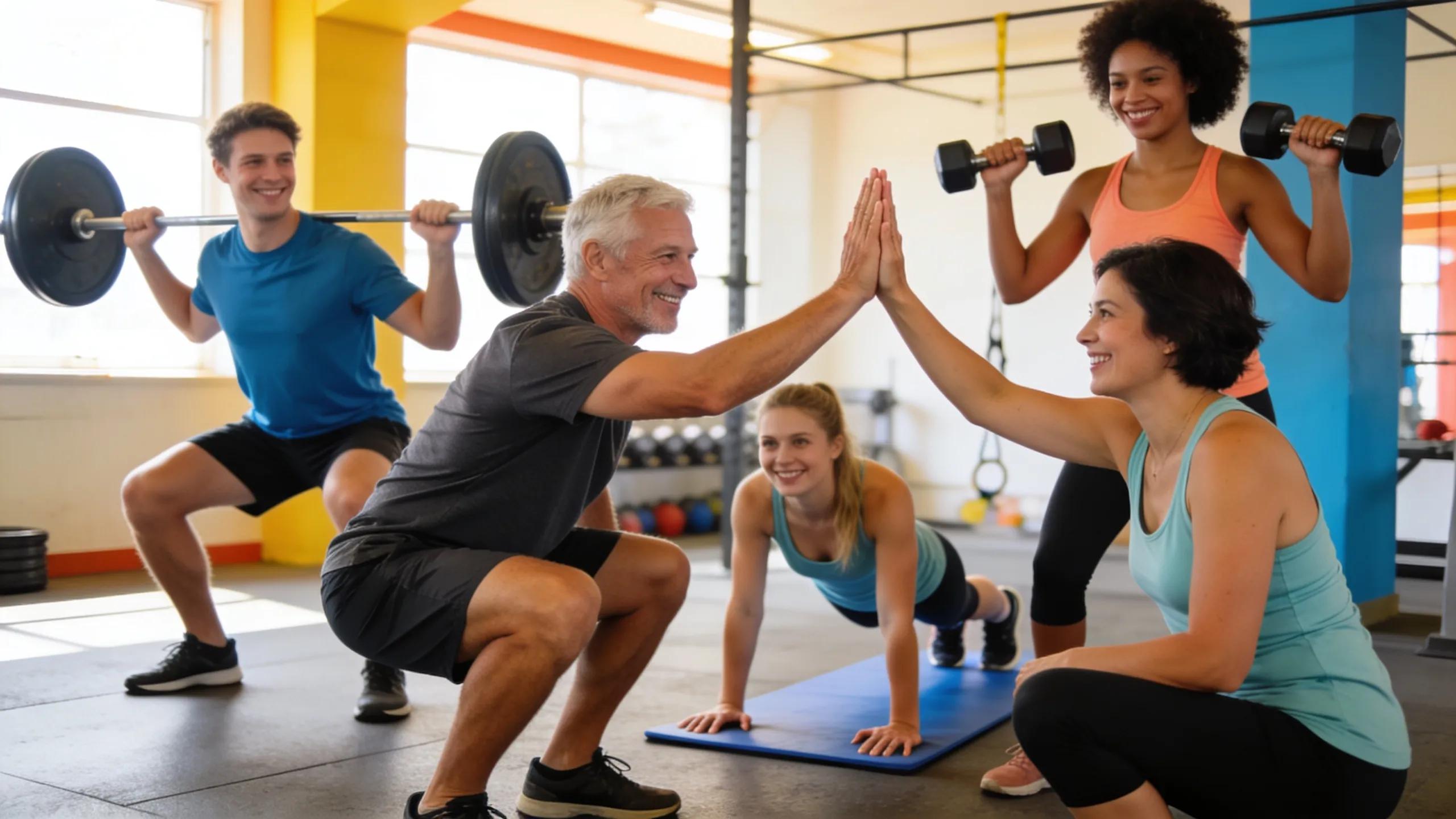
Beginner strength training group exercising in a gym environment

Starting strength training can feel exciting and intimidating. You’ll learn proper exercises, how to fuel your body, and how to avoid common beginner mistakes. This article gives essential tips—technique, personalized coaching, and nutrition for muscle gain—to help you build a solid foundation for strength, stability, and overall well-being. It covers foundational exercises, training plans, nutrition, safety, and how to get started.

Foundational Exercises

Foundational exercises are the building blocks of any effective strength routine. Focus on these movements to develop core strength, improve performance, and reduce injury risk by prioritizing correct technique.

  1. Squats: This exercise is crucial for developing lower body strength, targeting muscles in the legs and core.
  2. Deadlifts: A compound movement that engages multiple muscle groups, enhancing overall strength and stability.
  3. Push-ups: An excellent upper body exercise that builds strength in the chest, shoulders, and triceps, while also engaging the core.

They build functional strength for daily life and athletic performance, making them essential for beginners.

Training Plans

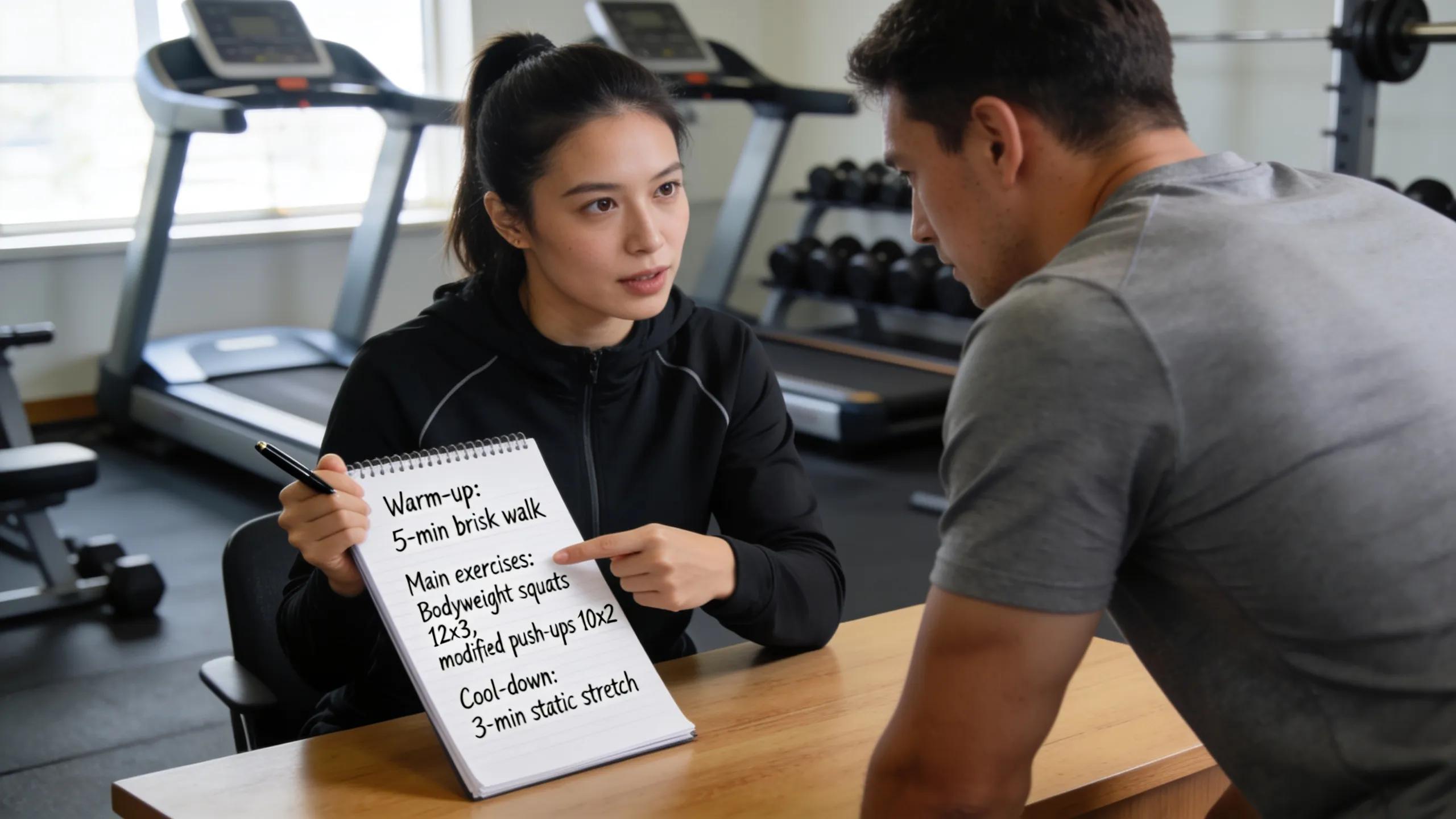
Personal trainer customizing a workout plan for a beginner

Effective training plans optimize results. They should be tailored to your goals, current fitness level, and available equipment.

  1. Individualized Programs: Each beginner should have a program customized to their specific needs, accounting for their current fitness level and personal goals.
  2. Understanding Progressive Overload: To see continuous improvement, it’s vital to gradually increase the weight or resistance used in workouts, enhancing muscle strength and endurance over time.

Following these principles keeps beginners motivated and on track to reach their strength goals.

Nutrition Guidance

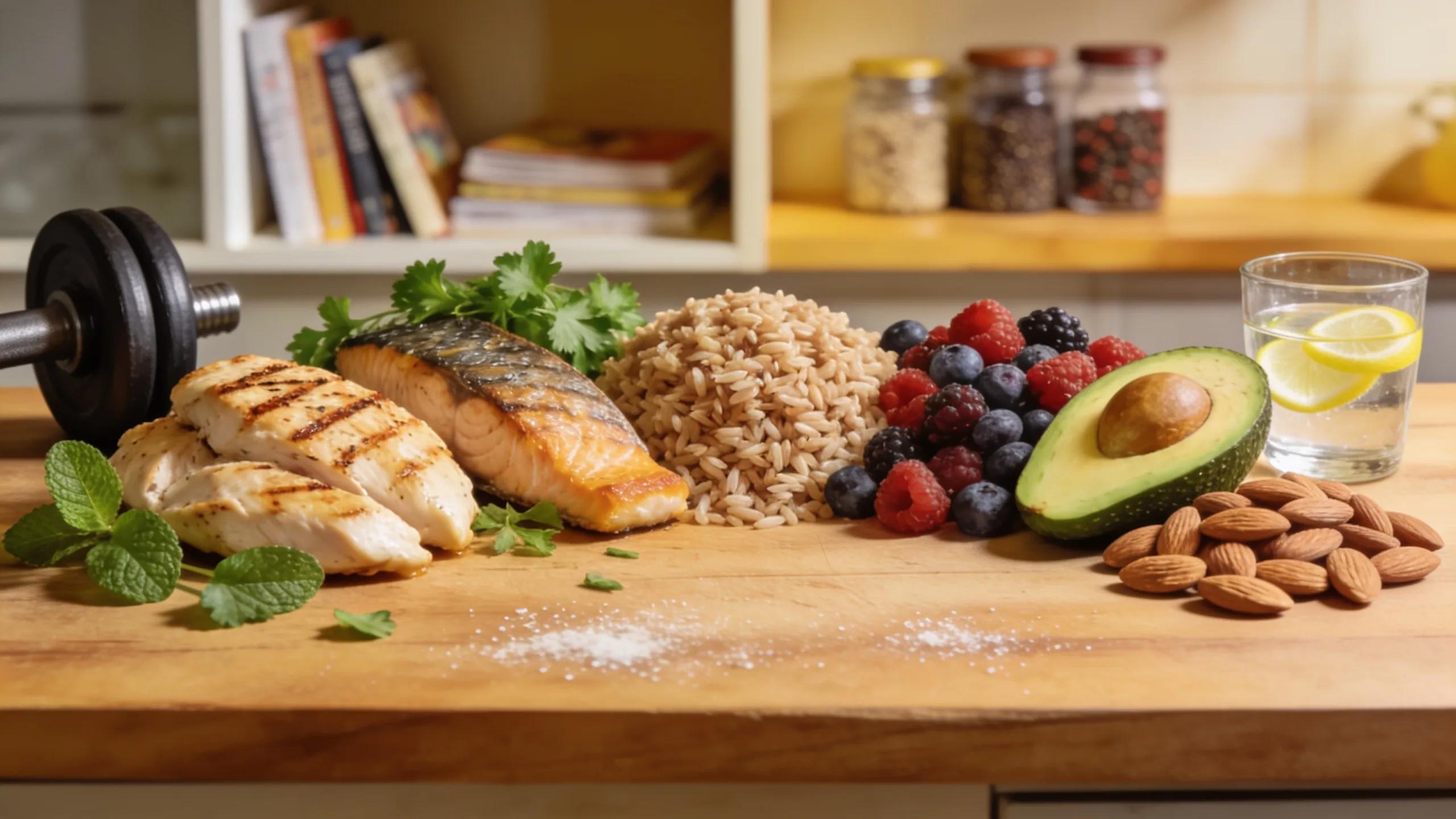
Healthy foods supporting strength training nutrition

Nutrition supports performance and recovery. Fueling your body with the right mix of nutrients helps workouts and speeds repair.

  • Balance of Macronutrients: A diet rich in proteins, carbohydrates, and healthy fats is essential. Each component serves a unique role in energy provision and recovery after workouts.
  • Importance of Meal Timing: Eating appropriately timed meals can enhance workout performance and recovery. Meals rich in protein and carbohydrates post-workout are particularly beneficial for muscle repair.

Nutritional Needs Comparison

To help beginners understand the essential nutrients for strength training, here’s a comparison:

NutrientRoleSources
ProteinMuscle repair and growthChicken, Fish, Beans
CarbohydratesEnergy productionRice, Pasta, Fruits
FatsHormonal balance, energyNuts, Avocados, Olive Oil

The table shows how a balanced diet supports strength training.

Safety Precautions

Safety should be a top priority. Following basic precautions prevents injuries and helps you train consistently over time.

  1. Warm-Up and Cool Down: Implementing a proper warm-up routine before workouts and cooling down afterward is essential for injury prevention.
  2. Correct Equipment Use: Ensuring proper use of gym equipment is critical to avoid accidents and injuries.

These safety steps help beginners train effectively and with confidence.

Getting Started

Start by defining your fitness goals and creating a clear plan. A complimentary consultation gives personalized guidance tailored to your needs. At Iron Orr Fitness, trainers assess your fitness level and help set achievable goals.

  • Setting Realistic Goals: Beginners should focus on setting small, attainable milestones that contribute to their overall fitness journey.

Working with a personal trainer helps beginners build a tailored program. To book your complimentary consultation, call Iron Orr Fitness at (858) 255-0367.

What Are the Basics of Strength Training Every Beginner Should Know?

Know the basics to train safely and effectively. Be familiar with lifting technique and program structure before progressing.

Key points: keep proper form, watch for fatigue, and allow adequate rest between sessions. These basics guide your progress.

How Can Beginners Overcome Common Myths and Challenges?

Beginners often encounter myths that slow progress and create unnecessary barriers.

  • Individualized Programs: A common myth is that strength training is one-size-fits-all. Instead, individualized programs are essential for addressing personal goals and fitness levels.
  • Correct Technique: The emphasis on mastering proper technique to avoid injuries cannot be overstated, proving vital for successful outcomes.

Recognising these myths helps beginners make better choices and train more effectively.

Which Beginner Strength Workouts Are Safe and Effective to Start With?

Safe, effective workouts build confidence and strength for beginners.

  1. Bodyweight Exercises: Such as squats, push-ups, and lunges, which can be performed without equipment.
  2. Resistance Bands: These can help in controlling movements and are excellent for beginners to learn proper form.

They form a foundation for advancing to more complex training.

How To Start Lifting Weights Safely: Tips and Techniques

Start weightlifting with care and the right knowledge.

  1. Correct Form: Emphasis on proper form is crucial to avoid strains and injuries.
  2. Warm-Up Routines: Incorporating dynamic stretches and low-weight exercises as warm-ups helps prepare muscles for heavier lifts.

Applying these techniques improves safety and results during sessions.

How Does Personalized Coaching Enhance Your Strength Training Results?

Personalized coaching boosts a beginner’s results. This tailored approach supports faster, safer progress.

  • Customized Workout Plans: Coaches develop tailored programs that align with individual goals and specifications.
  • Expert Guidance: Having a knowledgeable trainer helps beginners learn correct techniques and exercise selections effectively.

Personal training offers guidance and support that improves training outcomes.

How Can a Custom Training Plan Address Individual Goals and Prevent Injuries?

A custom plan meets individual needs, which is vital for beginners.

  1. Monitor and Adjust Training Loads: A coach can help assess strengths and weaknesses, adjusting loads appropriately.
  2. Setting Achievable Goals: Ensuring that beginners have realistic goals enhances motivation and promotes continued engagement in their fitness journey.

This individualized approach lowers injury risk and helps beginners stay on track to their goals.

What Nutrition Basics Support Strength Training for Beginners?

Nutrition is key to supporting strength training efforts.

  • Importance of Protein: A diet abundant in protein is critical for muscle growth and repair.
  • Balanced Intake of Carbohydrates: Carbohydrates serve as the primary energy source for workouts, making their inclusion essential.

How Should Beginners Adjust Their Nutrition When Starting Weight Training?

Tweaking your diet when you start weight training can boost results and recovery.

  1. Focus on Nutrient Timing: Consuming protein and carbohydrates post-workout aids in muscle recovery.
  2. Hydration Strategies: Staying hydrated is crucial for overall performance and recovery.

These changes strengthen the foundation for a successful program.

How Can Beginners Prevent Injuries and Recover Effectively During Training?

Preventing injuries is central to a lasting routine.

  1. Warm-Up Routines: Implementing strategic warm-ups mitigates injury risks and prepares the body for rigorous activity.
  2. Listening to Body Signals: Resting when fatigued is essential to prevent overuse injuries.

Using these measures lets beginners train safely and recover well.

Which Recovery Techniques Support Beginners’ Training Progress?

Recovery techniques are essential to progress in a strength program.

  1. Role of Stretching: Post-workout stretching enhances flexibility and reduces muscle soreness.
  2. Use of Foam Rolling: This technique promotes muscle recovery and aids in the release of muscle tightness.

Adding stretching and foam rolling boosts recovery and supports long-term training.

How Do You Book a Complimentary Personal Training Consultation With Iron Orr Fitness?

Booking a complimentary consultation is a key step to begin your training with clear direction.

  • Contacting Iron Orr Fitness: Interested individuals can easily reach out via phone at (858) 255-0367.
  • Discuss Fitness Goals: During the consultation, you can outline your fitness ambitions with a trainer for tailored guidance.

This meeting jumpstarts a beginner’s training with clear next steps and personalised recommendations.

How Does Scheduling a Consultation Jumpstart Your Strength Training Journey?

A consultation with a professional can make a beginner’s training more effective from the start.

  • Free Assessment Benefits: Trainers will provide a comprehensive assessment to establish a starting point.
  • Tailoring a Program to Individual Needs: With professional guidance, training programs can be specifically designed to maximize results while addressing individual challenges.

It gives beginners the confidence and support needed to progress safely and efficiently.

Frequently Asked Questions

1. What should I wear for strength training?

Wear comfortable, moisture-wicking clothing that allows full movement. Choose stable, flat shoes for proper support and avoid overly baggy garments that can snag or distract. Follow any dress guidelines from your gym.

2. How often should beginners strength train each week?

Aim for 2–3 sessions per week, with at least one rest day between workouts to allow muscle recovery. Increase frequency gradually as your body adapts and listen to how you feel.

3. How can I track my progress in strength training?

Keep a workout journal or use an app to log exercises, weights, reps, and sets. Take progress photos or body measurements to track changes. Consistent tracking helps you spot trends and know when to adjust your program.

4. Are there specific dietary supplements that beginners should consider?

A balanced diet should cover most needs, but some beginners use supplements. Protein powder can help meet protein targets after workouts, and creatine is commonly used to support strength. Consult a healthcare professional before starting any supplement.

5. How important is rest and recovery in strength training?

Rest and recovery are essential. Muscles need time to repair and grow, so schedule rest days, prioritize sleep, and use active recovery like light movement or stretching to support long-term progress.

6. What common mistakes should beginners avoid in strength training?

Common mistakes include poor form, lifting too-heavy weights, and skipping warm-ups. Learn technique, progress gradually, and warm up to reduce injury risk and improve results.

7. Can cardio be incorporated into a strength training routine?

Yes. Cardio supports cardiovascular health, endurance, and fat loss. Do low- to moderate-intensity cardio on non-lifting days or use it as a warm-up, keeping the balance so cardio complements your strength work.

Conclusion

Starting strength training helps beginners improve fitness, build reliable routines, and form lasting healthy habits. Personalized coaching and nutrition guidance optimize results and reduce injury risk. To begin, schedule a complimentary consultation to develop a customized training plan that fits your goals. Connect with Iron Orr Fitness to get started.

Key Factors to Consider When Selecting a Strength and Conditioning Coach in San Diego
Person engaging with a strength and conditioning coach outdoors, symbolizing effective selection of trainers in fitness training

Choosing the right strength and conditioning coach in San Diego affects your training results. With many options, evaluate a few key factors. This guide explains what to check—qualifications, experience, training philosophy, communication, and more—so you can pick a coach that fits your goals. Understanding these points will improve your training now and over the long term. We cover certifications, goal fit, and how to judge personalised programmes.

When selecting a strength and conditioning coach in San Diego, consider the following key factors:

Choosing a coach isn’t just about credentials; it’s about finding someone who fits your needs. Consider the following major factors:

  1. Qualifications and Certifications: Look for coaches with accredited certifications that reflect their competency and knowledge in the field.
  2. Experience and Specializations: Consider a coach’s background, particularly if they have experience with goals similar to yours, such as muscle gain, injury rehabilitation, or sports performance.
  3. Training Philosophies: Different trainers have varying approaches to fitness; ensure their philosophy aligns with your personal values and goals.
  4. Client Success Stories: Check testimonials and success metrics of past clients to gauge their effectiveness.
  5. Communication Skills: Effective communication is crucial for understanding and tracking your progress.
  6. Compatibility with Client Goals: The coach’s ability to adapt their training methods to fit your personal objectives is essential.
  7. Personality and Rapport: The relationship you build with your coach can significantly affect your motivation and commitment.
  8. Availability and Location: Consider logistical aspects like the coach’s schedule and how convenient their location is for you.
  9. First Aid & CPR Proficiency: Safety should always be a priority; ensure your coach is certified in first aid and CPR.
  10. Insurance: Liability insurance is crucial for protecting both the coach and the clients in case of injury.
Qualification TypeDescriptionImportance
Importance of QualificationsCertifications like ACE or NASM indicate a well-trained professional.High competence and ethics in practice.
Experience with SpecializationsCoaches who specialize in certain areas can offer tailored assistance.Increased effectiveness in training.
First Aid CertificationEssential for ensuring safety during workouts.Preparedness for emergencies.

These points help you choose a coach who will effectively support your training.

Qualifications and Certifications

Display of fitness certifications indicating professional qualifications unique to strength and conditioning coaches

A coach’s qualifications and certifications reveal their training and expertise. Certifications such as ACSM or NASM signal rigorous preparation, and a background in kinesiology or exercise science adds value. Those credentials improve a coach’s ability to create effective, tailored programmes. Choosing a coach with [“relevant qualifications”](https://ironorrfitness.com/) is an important first step.

Experience and Specializations

Experience matters. Seasoned coaches adapt methods for different fitness levels and goals. Prioritise trainers who have worked with clients seeking similar outcomes—injury rehab, bodybuilding, or general fitness. Coaches with sports conditioning specialisms can be especially useful for competitive goals.

Training Philosophies

Trainers follow different philosophies—functional, strength-focused, or cross-training, for example. Make sure a coach’s approach aligns with your goals and values; when philosophy matches yours, training tends to be more effective.

Client Success Stories

Before-and-after client transformation celebrating fitness achievements through strength coaching, highlighting success stories

Client testimonials show real-world results. Look for measurable outcomes—weight loss, performance improvements, or strength gains—backed by metrics or benchmarks that confirm the coach’s impact.

Communication Skills

Clear communication—simple instruction, active listening, and useful feedback—improves your progress. A coach should make it easy to discuss concerns and track changes so programmes can be adjusted when needed.

Compatibility with Client Goals

Ensure the coach can assess your goals and personalise a plan to match your strengths and areas for improvement. Tailored strategies produce better, faster results.

Personality and Rapport

A strong personal connection helps you stay consistent. Supportive, motivating coaches create a positive training atmosphere that keeps you committed through challenges.

Availability and Location

Logistics matter: flexible hours and a convenient location make it easier to stick with sessions. Consistency is key to reaching your goals.

First Aid & CPR Proficiency

Safety is essential. Confirm the coach holds current first aid and CPR certifications so they’re prepared for emergencies and committed to a safe training environment.

Insurance

Verify the coach carries liability insurance. That protection safeguards both you and the coach in case of accidental injury and signals professional responsibility.

What Certifications and Qualifications Should a Strength and Conditioning Coach in San Diego Have?

Credentials from respected organisations show a coach’s competence. Look for certifications from bodies such as NASM, ACSM, or NSCA, and value ongoing education through workshops and seminars as a sign the coach stays current. For more on professional standards, see [“Iron Orr Fitness”](https://ironorrfitness.com/).

Which National Certifications Are Most Recognized for Strength Coaches?

Several certifications hold strong recognition in the industry, including CSCS (NSCA), CPT (NASM), and EP-C (ACSM). Each equips coaches with the knowledge to assess and improve client performance effectively.

How Do Local San Diego Coaches Demonstrate Professional Expertise?

Local coaches show expertise through continued education, networking at local events, and specialised training in areas like sports performance or injury recovery. These activities reflect professional growth and adaptability that benefit clients.

How to Evaluate Personalized Training Programs for Strength and Conditioning in San Diego

When evaluating personalised programmes, check for customisation to your goals and health, regular progress monitoring, and a mix of training types—strength, conditioning, and recovery—that fit your needs.

What Should a Tailored Strength Training Program Include?

A strong programme includes an initial assessment, clear short- and long-term goals, structured progression that increases intensity over time, and recovery protocols like active recovery and nutrition guidance to support muscle repair and growth.

How Do Programs Address Different Athlete Levels and Beginners?

Good programmes adapt: beginners focus on basic movements and form, while advanced athletes use specialised drills and higher intensity. Gradual load increases and regular reviews ensure safe, steady progress for everyone.

Which Injury Prevention Strategies Should a Quality Strength Coach Use in San Diego?

Quality coaches use evidence-based injury prevention: thorough warm-ups, emphasis on proper technique, and balanced rest and recovery to avoid overtraining and injuries.

What Functional Training Methods Support Injury Prevention?

Functional methods—core stability, proprioceptive drills, and agility work—improve balance, body awareness, and readiness for sudden movements, helping to lower injury risk.

How Does a Coach Integrate Recovery Protocols in Strength Training?

Recovery protocols include planned rest between sets, guidance on post-workout nutrition, and active recovery sessions focused on mobility and stretching so athletes maintain performance while recovering well.

What Are Real Client Success Stories with San Diego Strength and Conditioning Coaches?

Client stories often show measurable improvements in performance, weight loss, and daily energy—concrete examples of what targeted coaching can deliver.

How Have Local Athletes Benefited from Personalized Coaching?

Personalised coaching helps athletes hit specific performance targets, recover faster after competition, and manage or prevent injuries by addressing individual weaknesses and imbalances.

These tailored experiences highlight the value of personalised coaching for athlete development.

What Results Do Beginners Typically Achieve?

Beginners commonly see gains in basic strength, confidence, and practical exercise knowledge that supports independent training in the future.

These improvements show how personalised coaching benefits those new to strength work.

How to Schedule a Consultation and Understand Pricing for Strength Coaching in San Diego?

Most coaches offer an initial consultation—often via their website—where you discuss goals, training styles, and whether you’re a good fit for each other.

What Does a Free Consultation Include at Iron Orr Fitness?

At Iron Orr Fitness, a free consultation typically assesses your goals, outlines training options, and recommends a starting plan based on your current fitness. Coaches evaluate your level and explain next steps; see [“Iron Orr Fitness”](https://ironorrfitness.com/) for details.

How Transparent Are Pricing Options for Strength Training Programs?

Pricing varies with session length, frequency, and coach experience. Ask Iron Orr Fitness about plans that fit your budget; clear pricing during the consultation helps you choose the right option.

Frequently Asked Questions

What qualities should I look for in a strength and conditioning coach?

Look for clear communication, adaptability to different levels, and a supportive approach. A good coach understands your goals, creates personalised programmes, and provides regular feedback to keep you motivated. Also check their experience with clients like you.

Can a strength coach help with rehabilitation after an injury?

Yes. Many strength coaches assist with rehabilitation if they have relevant experience and credentials. They can design safe, progressive programmes to restore strength and mobility while minimising re-injury risk.

How important is a coach’s approach to nutrition?

Nutrition matters for recovery and performance. Coaches with nutrition knowledge can offer practical advice on timing and meal choices to support training, tailored to your programme.

What is the average cost of strength training sessions in San Diego?

Costs vary by coach experience, session length, and location. Individual sessions commonly range from $50 to $150. Many coaches offer package deals or discounts for multiple sessions—discuss pricing during your consultation to find the best fit.

Are remote training sessions available with strength coaches?

Yes. Many coaches offer remote sessions using video calls to demonstrate exercises, give feedback, and track progress. Confirm the coach has the right tools and methods for effective virtual coaching.

What factors should I consider when assessing the effectiveness of a coach?

Assess effectiveness by reviewing client results and testimonials, and by checking how well programmes are customised. Track your own strength gains and satisfaction, and note whether the coach communicates clearly and adapts based on your feedback.

Conclusion

The right strength and conditioning coach in San Diego shapes your progress with personalised programmes that boost performance and keep you safe. Prioritise qualifications, experience, and strong communication to build a productive partnership. Start exploring local coaches today to begin improving your fitness.

Choosing the Right Strength Training Personal Trainer in San Diego for Fat Loss, Muscle Gain, and Injury Prevention
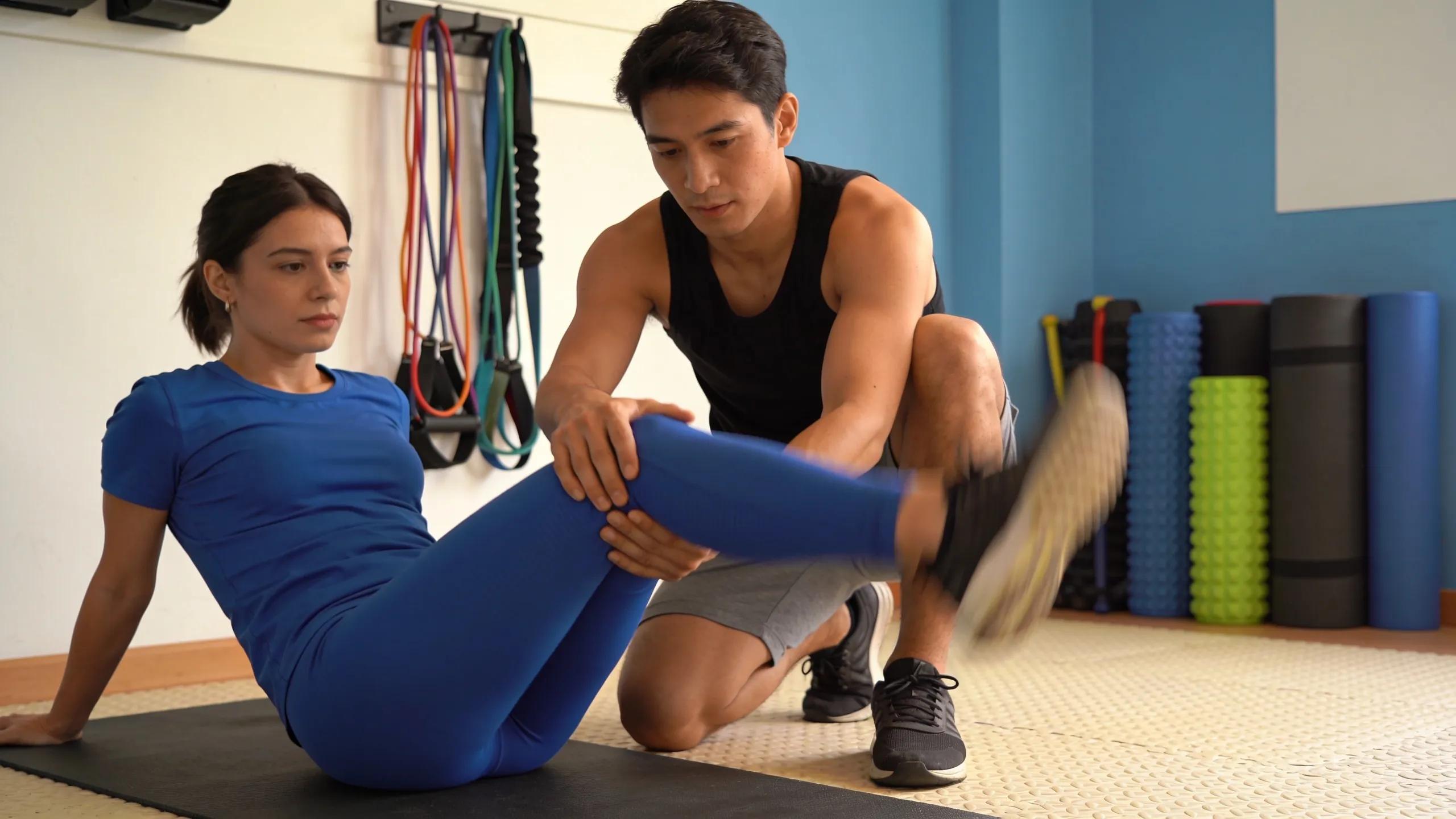
Personal trainer guiding a client in a fitness studio, showcasing strength training techniques and tools

Choosing the right strength-training personal trainer makes a big difference for goals like fat loss, muscle gain and injury prevention. In San Diego’s crowded market, the right coach speeds results. A skilled trainer delivers tailored workouts, teaches proper technique, offers nutrition guidance and supports overall wellbeing. This article walks through how to pick a strength and conditioning coach, covering key certifications, the benefits of personalised coaching and performance-boosting techniques.

We’ll cover the core criteria to evaluate trainers so you reach YOUR fitness goals with the support needed to avoid injuries. Expect clear guidance on qualifications, leading industry certifications, how customised training works and how the right coach advances your health and fitness.

What Certifications and Qualifications Should a Strength and Conditioning Coach in San Diego Have?

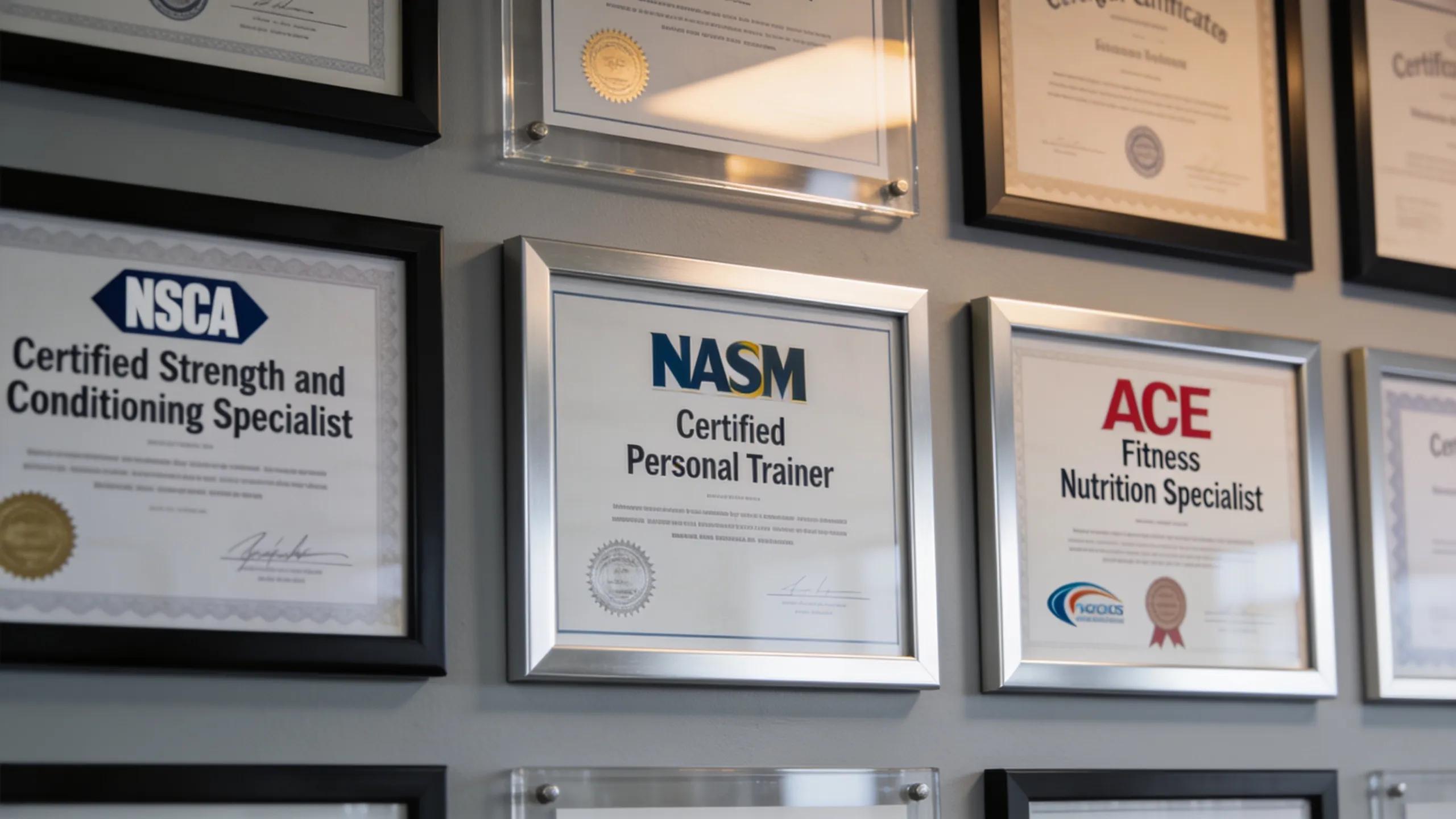
A wall displaying recognized strength training certifications and diplomas in a fitness environment

Strength and conditioning coaches shape many clients’ progress. Check their certifications and education to confirm they can guide you safely and effectively. Recognised credentials indicate a commitment to professional standards and up-to-date knowledge.

  1. Importance of Certifications: Certifications serve as proof of a trainer’s knowledge and capabilities in the field. They convey that the coach has undergone the necessary training in exercise science, nutrition, and client safety.
  2. Key Organizations for Certifications: Look for trainers certified by reputable organizations such as the National Strength and Conditioning Association (NSCA), National Academy of Sports Medicine (NASM), or International Sports Sciences Association (ISSA).
  3. Value of Additional Educational Background: A background in kinesiology or exercise science, paired with first aid and CPR certifications, can enhance a trainer’s ability to provide safe and effective coaching.

In San Diego, choosing a trainer with these credentials gives confidence they can help you reach your goals safely and effectively.

Guide to Personal Training and Strength & Conditioning Certifications

Personal training is a rapidly growing field with many certifications, which makes choosing one difficult. This guide centralises information on well-known personal training and strength and conditioning credentials. Research drew on SPORTDiscus, certifying organisations’ websites and other online sources. Categories examined included educational requirements, certification cost, NCCA accreditation, time to complete after registration, available exam training, exam length and the average salary for trainers holding the certification. Results showed all certifications require applicants to be at least 18 years old and possession of a CPR/AED certification.Comparing Personal Training and Strength and Conditioning Certifications Across Multiple Organizations, 2016

Why NSCA, NASM, and CSCS Certifications Matter for Personal Trainers

NSCA, NASM and CSCS certifications are highly respected and help distinguish knowledgeable, versatile trainers.

  • Recognition in the Fitness Industry: These certifications are well-respected across fitness communities, signaling to potential clients that the trainer has met rigorous standards of education and practice.
  • Effectiveness in Training: Trainers armed with these certifications demonstrate a comprehensive understanding of exercise physiology, enabling them to create effective training programs tailored to each client’s specific needs.
  • Focus on Injury Prevention: These organizations emphasize injury prevention techniques, ensuring that certified trainers understand how to minimize risks during workouts.

Choosing trainers who meet these standards helps ensure high-quality training and support. For comprehensive training solutions and expert guidance in San Diego, consider expert personal training.

How to Verify Trainer Credentials and San Diego Local Certifications

Verifying a San Diego trainer’s qualifications is a crucial first step before you start training.

  1. Essential Steps for Verification: Start by checking the trainer’s credentials online. Many organizations maintain public directories listing certified professionals.
  2. Importance of References: Ask for references from previous clients. A reputable trainer should be happy to share testimonials or client success stories.
  3. Checking Educational Background: Inquire about the trainer’s educational history. Knowing their educational foundation provides insight into their expertise and versatility.

Following these verification steps helps you invest time and resources with a competent trainer who aligns with your fitness aspirations.

How Does Personalized Fat Loss and Muscle Gain Coaching Work in San Diego?

Personalized coaching lays the groundwork for achieving fat loss and muscle gain effectively.

  • Customized Workout Plans: Trainers formulate tailored exercise programs that consider individual fitness levels, aspirations, and preferences, ensuring workouts are engaging and effective.
  • Nutritional Guidance: Along with exercise regimens, trainers often provide nutritional advice. Tailored eating plans support training efforts and enhance results.
  • Ongoing Support and Progress Tracking: Trainers actively monitor clients’ progress, adjusting workouts and nutritional recommendations to keep them on track as they evolve.

A personalised plan helps clients navigate their fitness path with better results.

What Are the Benefits of Customized Strength Training Programs?

Custom strength programs deliver clear advantages that improve client outcomes. Key benefits include:

  1. Targeted Training: Programs designed specifically for an individual’s goals allow for focused workouts that address specific areas needing improvement.
  2. Nutritional Support: Clients often receive dietary recommendations, aiding in fuel and recovery that align with their training programs.
  3. Injury Prevention: Customized programs decrease the risk of injury, as clients learn to perform exercises correctly, emphasizing safety.
  4. Accountability: Regular check-ins and progress assessments keep clients motivated and committed to their goals.

The tailored nature of customised strength training boosts engagement and drives effective results.

Which Training Modalities Support Effective Fat Loss and Muscle Gain?

Different training methods support fat loss and muscle gain, each offering distinct approaches to reach your goals.

  • Hypertrophy-Focused Techniques: These methods promote muscle growth through resistance training, allowing clients to build strength while simultaneously losing fat.
  • Integration of Strength and Cardio: A blend of strength and cardiovascular workouts helps burn calories while building muscle, effectively reducing fat levels.
  • Progress Monitoring: Consistent tracking of progress ensures that clients stay accountable and can adjust their strategies for optimal results.

Using varied modalities creates well-rounded programs that maximise fat loss and build muscle.

Can a Strength Coach Help with Injury Prevention and Recovery?

Personal trainer guiding a client in injury prevention exercises with proper form in a fitness setting

A strength coach plays a key role in preventing injuries for people who want to stay active.

  • Importance of Proper Form and Technique: Coaches teach clients how to perform exercises with the correct form, reducing the likelihood of injuries during workouts.
  • Customized Rehab Plans: In cases of past injuries, a coach can create tailored rehabilitation plans designed to facilitate recovery while progressively rebuilding strength.
  • Client Progress Monitoring: Regular assessments help coaches identify potential issues and promptly address them, ensuring that clients remain safe throughout their training.

A knowledgeable coach helps you prevent injuries and manage recovery effectively.

What Techniques Do Injury Prevention Trainers Near Me Use?

Injury-prevention trainers use several techniques to keep clients safe during their fitness journeys. Key methods include:

  1. Risk Assessment Techniques: Conducting initial assessments helps identify a client’s specific risk factors related to movement patterns and personal history.
  2. Exercise Strategies: Trainers develop targeted exercise strategies that emphasize stability, strength, and mobility, catering to individual client needs.
  3. Real-Life Practical Experiences: Drawing from their backgrounds, trainers often share experiences and techniques that have proven effective, giving clients a reliable resource for injury prevention.

These methods improve training safety and help build sustainable fitness habits.

How Does Conditioning Coaching Aid Long-Term Injury Recovery?

Conditioning coaching supports long-term recovery by providing structured, progressive rehabilitation.

  • Customized Rehab Programs: Conditioning coaches create plans tailored to individual recovery needs, promoting gradual improvements that minimize the risk of re-injury.
  • Monitoring Healing Processes: Constant monitoring of the healing process allows coaches to adjust activities based on the client’s progress, ensuring appropriate levels of intensity.
  • Nutritional Support: Comprehensive recovery often involves dietary intervention to assist healing and support overall well-being during rehabilitation.

This structured approach supports both physical and emotional recovery during the rehabilitation period.

Frequently Asked Questions

What Should I Look for in a Strength Training Program?

Look for a program tailored to your level and goals—fat loss, muscle gain or injury prevention. It should combine strength and cardio, include nutrition guidance, teach proper form and schedule regular assessments to track progress and adapt the plan.

Are Group Training Sessions as Effective as Personal Training?

Group sessions can be effective but usually lack the individual attention of one-on-one training. Groups can boost motivation through camaraderie and accountability. Choose based on your needs—if you thrive in social settings, group training can work; if you need personalised feedback, opt for personal training.

What Questions Should I Ask During a Trainer Consultation?

Ask about the trainer’s qualifications, specific experience with your goals and how they measure progress and adjust programs. Discuss their nutrition approach and request references or testimonials. Make sure you feel comfortable with their communication and motivation style.

How Important is Nutrition in Strength Training?

Nutrition is essential for strength training—fueling workouts, aiding recovery and supporting muscle growth. A balanced diet with adequate protein, carbohydrates and healthy fats matters, and timing around workouts can improve performance. Work with a trainer who integrates nutrition into your plan.

What Is the Average Cost of Personal Training in San Diego?

Personal training costs in San Diego vary by experience, location and session length. Expect roughly $50 to $150 per session. Package deals or group rates can reduce the per-session price. Consider the value and results you get, not just the sticker price.

How Can I Stay Motivated During My Strength Training Journey?

Stay motivated by setting clear, measurable goals and tracking progress. Celebrate small wins and keep workouts varied to avoid boredom. Find a support system—a trainer, friends or a fitness community—to provide accountability and encouragement.

Conclusion

Choosing the right personal trainer in San Diego improves your chances of fat loss, muscle gain and safe progress. Personalised coaching aligns workouts and nutrition with your needs, delivering lasting results and lowering injury risk. Prioritise certified professionals to protect your safety and outcomes. Explore trusted local trainers and take the next step toward your fitness goals today.

Strength Training in San Diego — Coaching for Every Level: Find the Right Trainer for Real Strength Gains
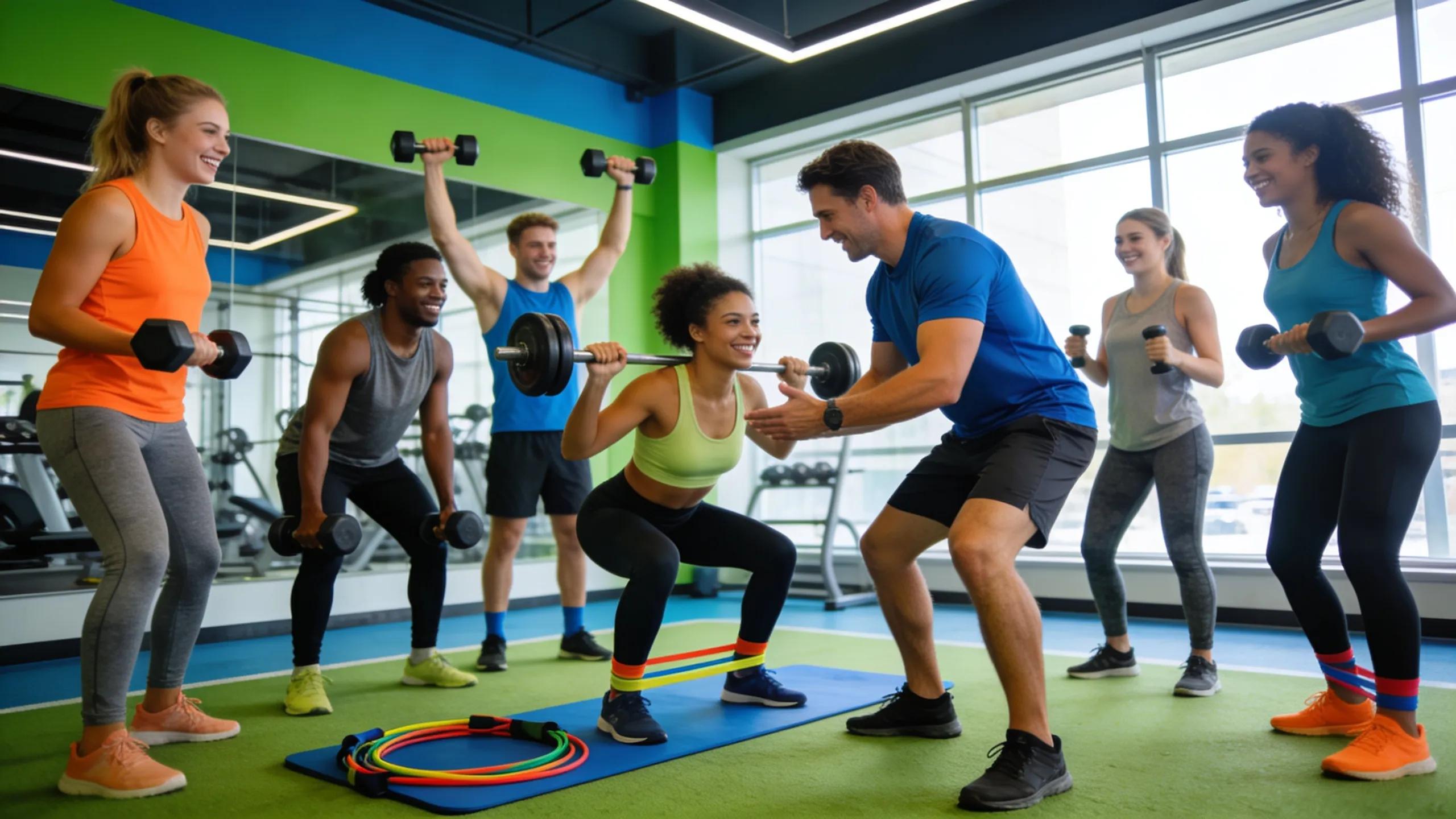
Group training in a bright San Diego gym with coaches guiding strength exercises

Strength training in San Diego covers a wide range of options built for all experience levels. Whether your goal is to get stronger, lose body fat, or simply feel better in your day-to-day, local programs offer tailored paths to help you reach it. Below we’ll walk through the common program types, how coaches prioritize injury prevention, and how to get the most from specialized guidance. You’ll also get an overview of Iron Orr Fitness’s offerings so you can pick the plan that fits your goals.

What Strength Training Programs Are Available for Beginners in San Diego?

A trainer coaching a beginner through foundational strength movements in a supportive gym setting

Beginner strength programs in San Diego focus on safe, steady progress and building confidence with movement. Typical elements you’ll find include:

  1. Varied Workout Types: Foundations like bodyweight patterns, basic resistance exercises, and light-load strength work to build technique and strength.
  2. Session Duration and Frequency: Most programs suggest training 2–3 times per week, with sessions usually lasting 45–60 minutes to balance effort and recovery.
  3. Cost Evaluations: Pricing depends on format and coach experience, with options ranging from group classes to one-on-one training.

Starting with a structured beginner program helps you form safe habits and set a reliable path for long-term strength development.

How Does a San Diego Strength Conditioning Trainer Tailor Beginner Coaching?

Coaches tailor beginner plans by first assessing your current fitness and goals, then building progressive, easy-to-follow plans. That process typically includes:

  • Fitness Assessments: Simple baseline tests to identify strengths, mobility limits, and priorities.
  • Customized Training Plans: Workouts matched to your ability, preferred training style, and targets—so you make steady, measurable progress.
  • Instructional Techniques: Hands-on coaching to teach proper form, reduce injury risk, and help you move with confidence.

This personalized attention helps beginners get stronger safely while building the skills to train independently over time.

How Often Should Beginners Train for Optimal Strength Gains?

Beginners typically see the best results training two to three times per week. That frequency supports muscle adaptation without overwhelming recovery. Key considerations include:

  1. Balanced Scheduling: Spreading workouts across the week gives muscles time to rebuild and grow.
  2. Listening to the Body: Rest or tweak the plan if you’re overly sore or fatigued—recovery matters.
  3. Progressive Overload: Gradually increase load or volume to keep gaining strength without rushing progress.

Consistent, intelligently planned training is the fastest route to meaningful strength improvements.

Which Muscle Gain and Fat Loss Coaching Options Does Iron Orr Fitness Offer?

Clients training for muscle gain and fat loss at Iron Orr Fitness, using varied equipment

Iron Orr Fitness offers coaching paths designed to build muscle and reduce body fat with individualized programming. Core features include:

  • Personalized Training Plans: Every client starts with an assessment to map out a plan tuned to their goals.
  • Session Variants: Flexible options to match your schedule and budget:30-minute sessions for $4360-minute sessions for $70Partner training (60 minutes) for $55 per person
  • Holistic Nutrition Guidance: Practical, goal-focused nutrition support to complement your workouts and speed results.

These programs are built to produce measurable changes while keeping health and longevity top of mind. Learn more at Iron Orr Fitness.

What Customized Muscle Gain Plans Does a Strength Training Personal Coach Provide?

Personal coaches craft muscle-building plans using evidence-based progressions and individualized nutrition guidance. Typical elements include:

  • Comprehensive Assessments: Evaluating body composition, movement quality, and lifting background to inform programming.
  • Personalized Workout Regimes: Structured routines that increase load and volume over time to promote hypertrophy.
  • Nutritional Support: Practical advice on calories, protein targets, and supplements where appropriate to support growth and recovery.

When combined, these components let clients chase muscle gains efficiently while reducing injury risk.

How Are Fat Loss and Conditioning Integrated Into Strength Training?

Fat loss and conditioning are woven into strength programs through mixed workout styles and smart nutrition. The approach usually includes:

  • High-Intensity Intervals: Short, focused conditioning sessions—like circuits or HIIT—to boost calorie burn and cardiovascular fitness.
  • Strength Training Synergy: Resistance work that builds lean muscle and raises resting metabolic rate, helping burn more calories over time.
  • Nutrition Coaching: Balanced diet plans and sensible calorie targets that support fat loss without sacrificing strength.

This blended strategy helps clients change body composition while maintaining—or improving—strength.

How Does Injury Prevention Training Enhance Strength Coaching in San Diego?

Injury prevention is central to sustainable progress. Coaches use targeted techniques so clients can train consistently and safely. Effective strategies include:

  • Correcting Form: Teaching and reinforcing safe movement patterns to limit strain and mistakes.
  • Tailored Workouts: Programs that strengthen weak links and stabilize joints to reduce injury risk.
  • Monitoring Workloads: Regular check-ins and adjustments to avoid overtraining and manage fatigue.

Thinking ahead about injuries allows you to keep training long-term and hit bigger goals without setbacks.

What Injury Prevention Techniques Are Used by San Diego Strength Trainers?

Trainers in San Diego rely on several practical injury-prevention tools to keep clients moving well. Common techniques include:

  • Dynamic Warm-Ups: Movement prep to prime muscles and joints before heavier work.
  • Form Checks: Ongoing coaching corrections during sessions to ensure safe lifting mechanics.
  • Mobility and Flexibility Training: Targeted mobility work to improve range of motion and reduce compensations.

These practices create a foundation for safer, more effective strength work over time.

How Are Injury Prevention Plans Customized for All Client Levels?

Good injury-prevention plans are built around each person’s needs and progress. Typical features include:

  • Individual Assessments: Identifying movement limitations, prior injuries, and risk areas during the first session.
  • Progressive Adjustments: Scaling exercises and advancing complexity as strength and stability improve.
  • Feedback Mechanisms: Open communication so trainers can tweak plans based on how you feel and perform.

Customization keeps training safe while still pushing toward steady gains.

What Athlete-Specific Strength Training Plans Are Offered in San Diego?

Athlete-focused programs in San Diego target sport-specific needs to raise performance on the field or court. These plans emphasize:

  • Targeted Assessment: Measuring power, speed, and mobility to identify priorities for training.
  • Sports-Specific Regimens: Drills and strength work chosen to match the movement demands of each sport.
  • Nutrition and Recovery Focus: Strategies to fuel performance and speed recovery during intense training cycles.

These specialized plans help athletes translate the gym into better results in competition.

How Do Strength and Conditioning Coaches Customize Programs for Athletes?

Coaches adapt programs by blending functional movements, testing data, and competition schedules. Key steps include:

  • Individualized Training Plans: Routines aligned with the athlete’s role, season timeline, and goals.
  • Performance Monitoring: Using metrics from testing to adjust load and prioritize areas for improvement.
  • Continuous Feedback: Flexible programming so coaches can respond quickly to progress or fatigue.

This targeted approach helps athletes build strength, power, and resiliency while staying healthy.

What Results Have San Diego Athletes Achieved with Personalized Coaching?

Personalized coaching in San Diego yields measurable improvements across performance markers. Athletes commonly report:

  • Performance Enhancements: Noticeable increases in strength, speed, and endurance.
  • Success Stories: Clients reaching personal bests and improved outcomes in competition after following tailored programs.
  • Injury Reduction: Fewer setbacks thanks to programs that prioritize technique and recovery.

These outcomes show how focused coaching can translate into real performance gains.

How Can You Book a Complimentary Strength Training Consultation in San Diego?

Booking a free consultation is simple and a smart first step if you’re considering coaching. Typical next steps are:

  • Reach Out Directly: Call or email providers to request a consultation and share your goals.
  • Prepare Necessary Information: Have details ready about your past training, injuries, and what you want to achieve.
  • Expect an Assessment and Q&A: Consultations usually include a basic movement check and a chance to ask about coaching style and plans.

This brief process helps you choose the right coach and start with a clear plan.

What Is the Process for Scheduling a Consultation with Iron Orr Fitness?

  1. Contact: Call them at (858) 255-0367 or email [email protected] to express interest.
  2. Set an Appointment: Pick a time that works for you—consultations generally run 30–60 minutes.
  3. Initial Assessment: Attend a session where a coach will evaluate your starting point and outline a plan with expected outcomes.

This straightforward process gets you moving toward your goals with clarity and confidence.

What Should You Expect During Your Complimentary Strength Coaching Consultation?

Your free consultation will focus on understanding you and your goals. Expect the following:

  • Assessment Overview: A quick evaluation of movement, strength, and priorities.
  • Trainer Qualifications: Coaches will explain their experience, certifications, and coaching approach.
  • Follow-Up Recommendations: Clear next steps and program suggestions tailored to your needs.

By the end of the meeting you’ll have a realistic plan and a recommendation for how to proceed.

What Are the Typical Pricing Options for Strength Training Coaching in San Diego?

Typical session pricing reflects the level of customization and coach attention. Common rates include:

  • 30-minute session: $43
  • 60-minute session: $70
  • Partner training (60 minutes): $55 per person

These options let you choose the format and investment that best match your schedule and goals.

How Do Prices Vary Between Personal Trainers and Coaching Packages?

Costs can differ based on experience, services included, and how sessions are packaged. Things to keep in mind:

  • Individual Trainer Rates: More experienced coaches may charge higher rates for their expertise.
  • Bundled Packages: Buying multi-session packages often reduces the per-session price and supports consistent progress.
  • Additional Services: Nutrition plans or specialty programs may carry extra fees.

Compare offerings and timelines to find the best value for your commitment level.

Are There Affordable Strength Training Programs Near Me in San Diego?

Yes—there are budget-friendly options for everyone. Look for:

  • Personal Training Options: Many trainers offer flexible rates or shorter sessions to fit tighter budgets.
  • Group Classes: Group sessions at community gyms provide coaching at a lower cost per person.
  • Complimentary Assessments: Free consultations let you try a coach before investing in sessions.

With a little searching you can find a program that fits both your goals and your wallet.

Frequently Asked Questions

What qualifications should I look for in a strength training coach?

Look for certifications from reputable organizations like NASM or ACE, plus practical experience with clients at your level. Ask about their track record, communication style, and how they personalize plans. Client testimonials and clear coaching methods are good signals that a trainer will support your goals safely and effectively.

Can strength training help with general fitness beyond muscle gain?

Absolutely. Strength training improves muscular endurance, bone health, metabolic rate, and functional movement. It also supports weight management, boosts balance and coordination, and contributes to overall cardiovascular health when combined with conditioning work. It’s one of the most efficient ways to improve general fitness.

Is nutrition important for strength training results?

Yes—nutrition is essential. Proper fueling and recovery support muscle growth, performance, and repair. A balanced intake of protein, carbs, and healthy fats, aligned with your goals, makes training more effective. If you need tailored guidance, consider working with a coach who offers practical nutrition support.

How does flexibility training complement strength training?

Flexibility and mobility work help you move through proper ranges, which improves technique and lowers injury risk. Regular stretching and mobility sessions enhance recovery and let you perform strength exercises more efficiently. Including both in your plan leads to better long-term results.

What should I wear for strength training sessions?

Wear breathable, moisture-wicking clothing that allows full movement and comfortable, supportive shoes like cross-trainers. Avoid overly loose garments that might catch on equipment. The right gear helps you focus on training and stay safe.

Can strength training be tailored for older adults?

Yes—coaches can and should tailor programs for older adults, taking into account medical history, mobility, and fitness level. Properly designed resistance training helps maintain muscle mass, bone density, balance, and overall independence. Always check with a healthcare provider before starting a new program.

How can I track my strength training progress?

Track progress with a workout log that records exercises, weights, reps, and sets. Fitness apps and wearables can add helpful data visuals. Periodic testing—like benchmark lifts or strength assessments—also shows real gains and keeps you motivated.

Conclusion

Strength training in San Diego offers practical, personalized options for beginners through athletes. With the right coaching, programs prioritize safe progress, injury prevention, and measurable results. If you’re ready to start, schedule a complimentary consultation to map out a plan that fits your goals and lifestyle—your strongest self is within reach.

5 Key Tips to Select the Perfect Strength Training Coach for Your Unique Fitness Goals
Group strength training session with a coach demonstrating exercises

Picking the right strength coach helps you reach your goals more effectively and with less risk. With many trainers to choose from, the process can feel overwhelming. Clarify your goals and know what matters in a coach to focus your search. This article offers practical tips on recommendations, qualifications, and training methods to help you find the right fit.

This guide shows how to define your objectives, evaluate trainers, and confirm they can support your goals. You’ll learn to assess communication, credentials, availability, and location—and see the added benefits of working with a local coach like Iron Orr Fitness in San Diego.

Define Your Fitness Goals

Set clear goals first. Whether you want to lose weight, build muscle, or get stronger, a defined aim directs your training and helps you measure progress.

Match trainers to those goals. Different coaches specialise in different areas, so pick one whose focus aligns with the outcomes you want.

Seek Recommendations

Friends discussing recommendations for strength training coaches at a coffee shop

Ask friends, family, and colleagues for recommendations. Firsthand experiences reveal a coach’s style, reliability, and results.

Use online platforms too. Social media and fitness forums can add extra perspectives from other clients.

Research Online

Search reviews, social profiles, and trainer websites to check certifications, client testimonials, and training approaches. Online research helps you compare options side by side.

Look for clear information on methods and credentials so you can shortlist trainers who meet your criteria.

Check Qualifications and Certifications

Verify that trainers hold recognised certifications. Credentials from reputable bodies signal a standard level of knowledge and professionalism.

Prioritise safety: a qualified coach teaches proper technique and reduces injury risk through sound programming.

Certification TypeOrganizationImportance
Personal TrainerNASMRecognized industry standard
Strength CoachACEValidates specialized knowledge
Strength and Conditioning CoachNSCAIndicates expertise in athletic performance

Confirming credentials builds a professional foundation for your training and promotes accountability between you and your coach.

Evaluate Experience and Specializations

Experience brings practical problem-solving and tested strategies. Seek trainers with backgrounds that match your goals—strength, hypertrophy, or rehab work.

Client success stories and case examples can show a coach’s ability to produce results and personalise programming.

Assess Personality and Communication Style

Choose a coach whose personality fits yours. A good rapport increases motivation and makes it easier to stick to a plan.

Clear, constructive communication is essential. Trainers should explain exercises well and give feedback you can use to improve.

After reviewing these factors, consider Iron Orr Fitness, which offers personalised strength training and coaching in San Diego to match clients with suitable trainers.

Consider Availability and Location

Practical details matter: your trainer’s schedule should mesh with yours to keep sessions consistent. Proximity also affects attendance—closer options reduce travel friction.

Local trainers often better understand community needs and can tailor support accordingly.

Review Pricing and Packages

Know the financial commitment before you sign up. Trainers offer different pricing and package structures that affect accessibility.

Compare what’s included—personal plans, nutrition support, progress tracking—to judge value and pick a coach who fits both your budget and needs.

Attend a Consultation or Trial Session

Consultation between a client and a strength training coach with training plans

Book a consultation or trial to test fit. Use the session to see the coach’s style, ask questions, and discuss your goals.

Trials reveal the training atmosphere and help you decide if you’ll stay motivated and comfortable with that coach.

Inquire About Nutrition Guidance

Ask whether the coach offers nutrition advice or works with a nutritionist. Diet often affects results as much as training.

Coaches who include tailored dietary guidance can help accelerate progress and support recovery.

Monitor Progress and Adaptability

Regular assessments show what’s working. A quality coach schedules checkpoints to measure progress and adjust plans.

As you improve, your coach should adapt workouts to keep progress steady and maintain engagement.

Safety and Insurance

Prioritise safety: check for liability insurance and first-aid qualifications. These indicate professionalism and readiness for emergencies.

Discuss safety protocols up front so you feel confident training in a secure environment.

What Qualifications Should a Strength Training Coach Have?

A solid coach combines education, experience, and certifications. These elements ensure they can guide your training effectively and responsibly.

Key qualifications to look for include:

  • Certifications, such as NASM, ACE, or NSCA.
  • Education in exercise science, kinesiology, or a related field.
  • Experience working with clients with similar goals to yours.

Which Personal Training Certification Standards Matter Most?

Certification quality varies. Focus on credentials recognised in the industry rather than lesser-known or unaccredited programs.

Key certifications to consider:

  • NASM (National Academy of Sports Medicine)
  • ACE (American Council on Exercise)
  • NSCA (National Strength and Conditioning Association)

These organisations maintain high standards, helping ensure trainers are well-prepared and knowledgeable.

How Does Coaching Experience Impact Your Fitness Success?

Experienced coaches have worked through many client challenges and can tailor solutions when progress stalls. Their know-how often speeds results.

That familiarity with common obstacles makes experienced coaches better equipped to guide you through tough phases.

How to Evaluate a Strength Training Coach’s Approach and Coaching Style?

Ask about their methods, how they scale workouts for different levels, and how they keep clients motivated. Their answers reveal compatibility and coaching philosophy.

Discuss your preferences and past experiences to see whether their style meshes with what helps you perform best.

What Personalized Strength Programs Should a Coach Offer?

A quality coach builds programmes that match your abilities, goals, and limitations. Plans should be flexible and change as you progress.

Personalised programmes are more effective and sustainable than generic plans, since they account for your unique needs.

Why Is Transparent Communication Essential with Your Coach?

Open communication builds trust and ensures your goals and comfort levels are understood. Trainers should encourage honest feedback and questions.

Clear dialogue helps you feel heard and keeps the coaching relationship focused on your progress.

Which Questions Should You Ask a Strength Training Coach Before Hiring?

Ask targeted questions to confirm fit: their training philosophy, experience with similar clients, and how they create personalised programmes.

Questions to ask include:

  1. What is your approach to training and client motivation?
  2. How do you track progress and adapt programs?
  3. What are your qualifications and areas of specialization?

These questions help you judge whether a trainer’s methods and expertise match your expectations.

How to Assess a Coach’s Ability to Support Your Unique Fitness Goals?

Look for evidence they’ve worked with clients like you and that they design individualised plans. A good coach listens first, then builds a tailored programme.

They should use feedback and regular adjustments to keep the plan aligned with your progress.

What to Inquire About Coaching Frequency and Program Adjustments?

Clarify how often you’ll meet and how frequently programmes are reviewed. Agreeing on a schedule up front avoids mismatched expectations.

Ask how often they reassess and change workouts so your training stays effective as your fitness changes.

Why Choose Local San Diego Strength Training Coaches like Iron Orr Fitness?

Local coaches offer convenience and community knowledge. Trainers like Iron Orr Fitness can provide tailored support that fits local lifestyles and needs.

Being nearby makes sessions easier to attend and can improve accountability and results.

What Are the Benefits of Personalized Coaching in San Diego?

Personalised coaching matches workouts to your goals, experience, and physical condition, which leads to better results than generic programmes.

It also focuses on injury prevention and long-term satisfaction, helping you reach outcomes safely and sustainably.

How Does a Complimentary Consultation Kickstart Your Training?

At Iron Orr Fitness, an initial consultation assesses your needs and starts the process of crafting a personalised plan.

A trial session can ease concerns and lets you confirm the coach’s style before committing.

What Are the Benefits of Selecting the Best Strength Training Coaches Near Me?

Choosing top local coaches boosts convenience and can deepen community support. Local expertise often aligns better with clients’ routines and preferences.

Less travel time means more focus on training and a higher chance of sticking with your programme.

How Do Personalized Programs Improve Fat Loss and Muscle Gain?

Tailored programmes target your specific strengths and weaknesses, making fat loss and muscle gain more efficient than one-size-fits-all plans.

Customisation also improves energy management, exercise variety, and goal setting, which supports consistent progress.

Why Is Injury Prevention a Critical Consideration When Choosing a Coach?

Injury prevention should be central to any training plan. A good coach uses warm-ups, cooldowns, and correct technique to reduce risk.

Understanding how your coach addresses safety gives you confidence to train hard while protecting your long-term health.

Frequently Asked Questions

How do I know if a strength training coach is right for me?

Check whether they’ve worked with clients who have similar goals, and book a consultation or trial to assess fit. Notice how well they listen, the personalisation they offer, and whether their feedback feels actionable.

What should I expect during my first session with a strength training coach?

Expect an assessment of your current fitness, a discussion of goals and experience, and an introduction to the coach’s methods. The session sets expectations and starts a personalised plan without overwhelming you.

How often should I meet with my strength training coach?

Frequency depends on goals, schedule, and budget. Meeting 1–3 times per week is common for steady progress; some clients combine fewer sessions with independent workouts. Discuss availability to find what works for you.

What role does nutrition play in strength training?

Nutrition fuels workouts and recovery. A balanced diet with adequate protein, healthy fats, and complex carbs supports muscle growth and performance. Some coaches offer nutrition guidance or referrals to complement training.

Can a coach help me if I have a specific injury or condition?

A qualified coach can adapt programs for injuries or conditions, but you should share your medical history first. They may modify exercises and work with healthcare professionals when needed to protect your health.

What can I do if I don’t see progress in my training?

Talk to your coach so they can identify barriers and adjust the plan. Review your training, nutrition, and recovery, and stay consistent; small changes often break plateaus.

How important is it to have a local coach?

Local coaches offer convenience, community support, and knowledge of local resources. Training nearby can boost accountability and fit better into your routine, helping you stay consistent.

Conclusion

Choosing the right strength coach can change how quickly and safely you reach your goals. With personalised coaching, you gain clearer progress, better injury prevention, and stronger accountability. If you want local, tailored support, consider reaching out to Iron Orr Fitness to explore options that fit your needs.