
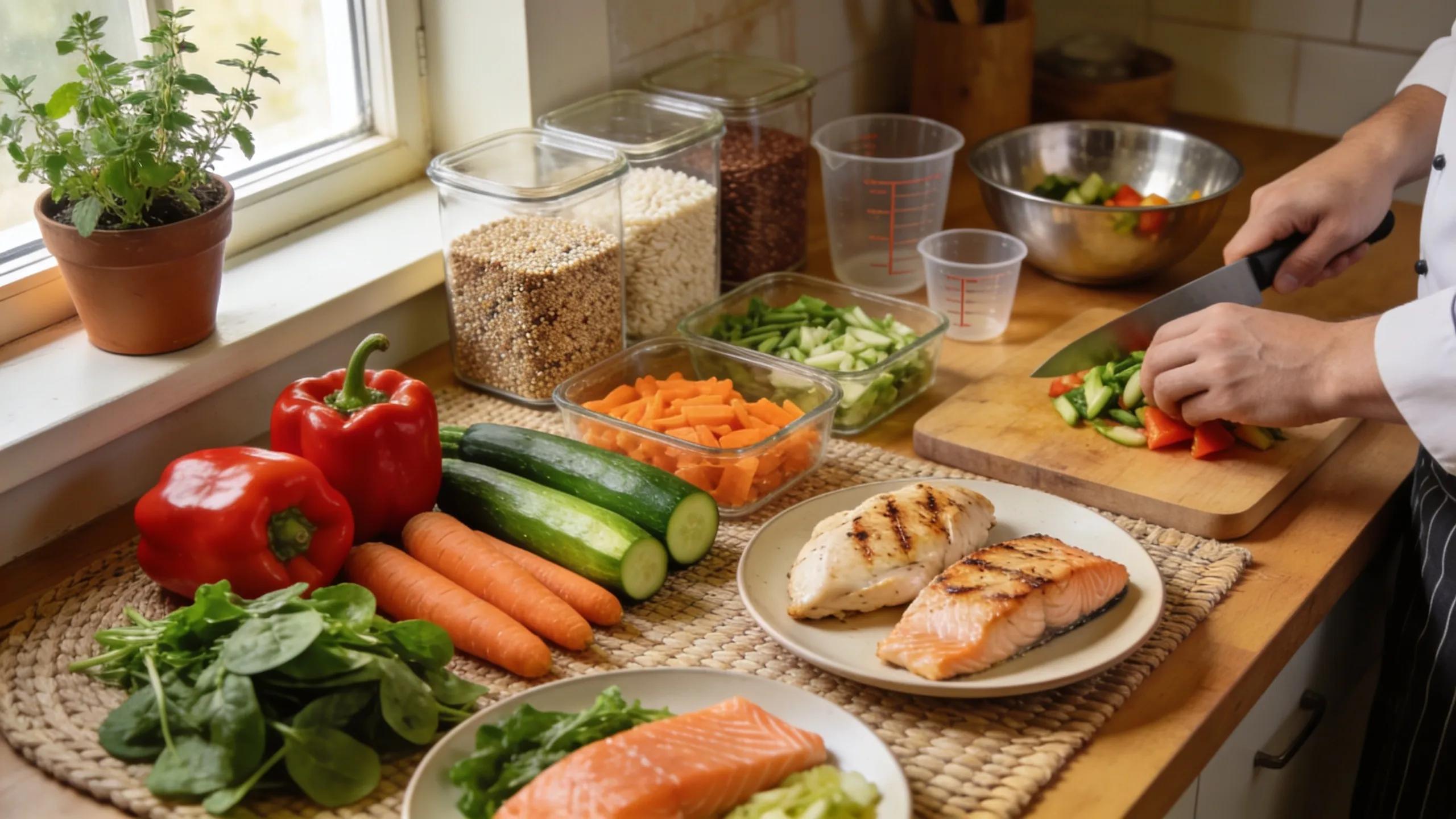
Meal planning helps you stick to fitness goals by creating a clear, structured approach to nutrition. Plan meals in advance to meet nutrient needs and support specific objectives. With the right strategies, you can overcome common barriers, improve consistency, and boost fitness results. This article explains meal planning’s impact, offers practical steps to implement it, and shows how personalised training from Iron Orr Fitness can support those goals.
Impact on Achieving Fitness Goals
Meal planning aligns eating habits with physical activity, supports muscle growth by ensuring timely protein, and helps optimise energy and recovery when meals and snacks are timed around workouts. That structure also aids weight management and performance. Many clients at Iron Orr Fitness report that planning makes food choices clearer and progress more achievable.
Practical Strategies for Implementing Meal Planning
Try these practical, manageable strategies to make meal planning work for you:
- Start Small: Begin with short meal plans for a few days to avoid overwhelm and gradually extend as confidence builds.
- Utilize Existing Foods: Leverage ingredients already at home to minimize waste and encourage creativity in meal preparation.
- Incorporate Visual Cues: Use meal prep containers or a visible schedule to track meals, reinforcing accountability and adherence.
These steps simplify planning and build consistency.
How Does Meal Planning Support Fat Loss and Muscle Gain?
Meal planning supports fat loss and muscle gain by providing steady energy and essential nutrients, helping control hunger and promoting satiety. It also allows precise macronutrient adjustments—such as higher protein for muscle repair—and, when timed with workouts, improves performance and recovery.
What Are the Key Nutrients for Fat Loss and Muscle Gain?
Understanding key nutrients matters. They include:
- Protein: Essential for muscle repair and growth; recommended sources include lean meats, legumes, and dairy.
- Carbohydrates: Important for energy, particularly around workouts; whole grains and fruits are excellent choices.
- Fats: Necessary for hormone regulation and overall health; healthy fats can be sourced from avocados, nuts, and seeds.
Balancing protein, carbohydrates, and fats through careful meal planning helps meet caloric and macronutrient needs.
How Can Personalized Meal Prep Boost Your Fitness Results?
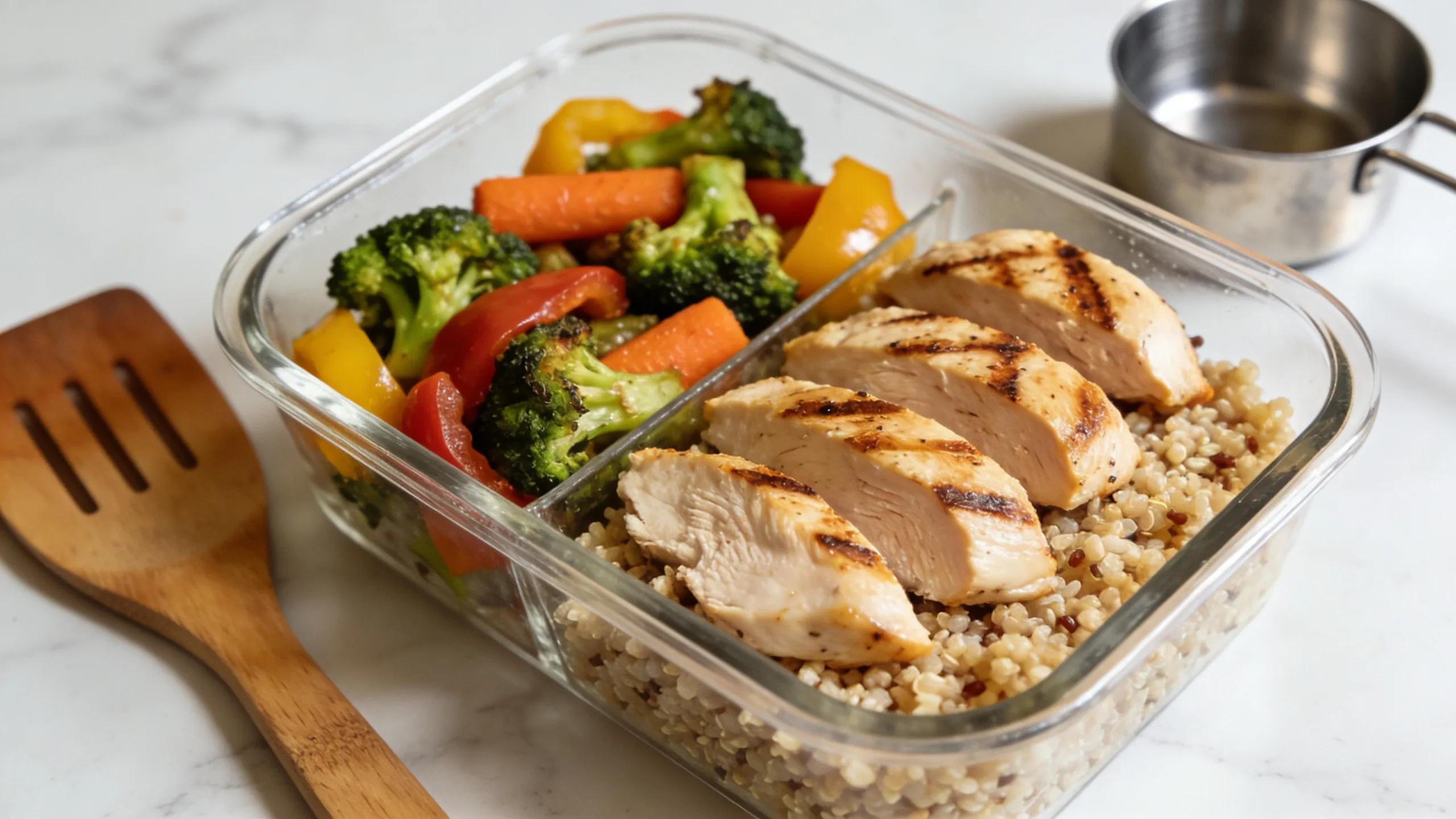
Personalised meal prep aligns intake with your goals and tastes, makes tracking nutrients easier, and helps you enjoy meals while meeting requirements. A focus on high-protein foods can be adapted for preferences or restrictions. Clients of Iron Orr Fitness often find that tailored guidance improves habits, motivation, and long-term commitment.
Research shows personalised meal plans improve adherence to dietary recommendations.
Personalized Meal Plans for Diet Adherence
Personalized meal plans have been effective at improving diet adherence in other chronic conditions and may help with DASH diet adherence. A randomized controlled trial will test whether nutritional counseling plus personalized meal planning (intervention) improves DASH adherence more than nutritional counseling alone (control).Personalized Meal Plans as An Intervention to Enhance Dash Diet Adherence in Hypertensive Adults, 2022
What Is the Role of Nutrient Timing in Workout Performance?
Nutrient timing means planning meals and snacks around exercise to maximise workout efficiency and recovery. Carbohydrates before exercise provide quick energy, while protein after workouts aids muscle repair and growth. Timing meals to your training schedule can meaningfully affect workout quality and progress.
How to Schedule Meals Around Your Workouts?
Use these key strategies to schedule meals around workouts:
- Pre-Workout Nutrition: Aim for a balanced meal or snack 1-3 hours before exercise, focusing on carbs for energy and some protein for muscle support.
- Post-Workout Recovery: Consume a protein-rich meal or shake within 30 minutes post-exercise to support recovery and muscle synthesis.
- Hydration Strategies: Maintain hydration before, during, and after workouts, as it is essential for overall performance and recovery.
These timing tactics help improve performance and optimise results.
How Does Proper Nutrition Prevent Injuries During Training?
Proper nutrition helps reduce injury risk by supporting muscle and joint health and aiding recovery. Adequate hydration maintains joint lubrication and reduces cramping. Integrating meal plans that emphasise these elements helps the body recover faster and lowers the chance of training-related injuries.
Which Nutritional Strategies Help Support Joint and Muscle Health?
Try these nutritional strategies to support joints and muscles:
- Omega-3 Fatty Acids: Found in fish and flaxseed, they have anti-inflammatory properties that may reduce joint pain.
- Collagen Supplements: Adding collagen to snack options can promote joint and connective tissue health.
- Antioxidants: A diet rich in fruits and vegetables provides antioxidants that protect cells from oxidative stress, important for overall muscle health.
Adding these strategies into regular meal plans boosts training resilience.
Why Is Hydration and Balanced Diet Crucial for Reducing Workout Injuries?

Staying hydrated and eating a balanced diet lowers the risk of workout injuries. Hydration supports performance, and nutrient-dense foods provide the components needed for muscle repair. Poor nutrition and low hydration increase fatigue and susceptibility to strains, so prioritising both helps sustain long-term training.
Which Tools and Apps Assist in Creating Effective Meal Plans?
Digital tools can simplify meal planning. Popular apps include:
- MyFitnessPal: Great for tracking calorie intake and nutrient breakdown.
- PlateJoy: Offers personalized meal plans based on preferences and goals.
- Paprika: A recipe manager that helps organize meals and grocery lists.
These apps make meal prep easier and help you stick to your goals.
How to Build Healthy Meal Plans for Fat Loss and Muscle Gain?
To build meal plans for fat loss and muscle gain, follow these steps:
- Identify Goals: Establish clear fitness and nutritional goals to guide the meal planning process.
- Select Nutrient-Dense Foods: Focus on whole, unprocessed foods that provide maximum nutrition.
- Plan for Variety: Incorporate a wide range of foods to ensure adequate nutrient diversity and prevent boredom.
Strategic meal organization helps individuals support their fitness journeys effectively.
Why Should You Combine Meal Planning with Personalized Training Programs?
Combining meal planning with personalised training boosts fitness outcomes. Programs like those at Iron Orr Fitness consider individual goals, preferences, and lifestyles, which improves adherence and accountability. With both nutrition and training guidance, clients find it easier to achieve lasting results.
How Does Personalized Coaching Improve Nutrition Adherence and Fitness Success?
Personalised coaching improves adherence by providing accountability, adjusting meal strategies when needed, and teaching the role of nutrition in reaching goals. This support keeps clients motivated and informed, helping them hit nutrition and fitness milestones more reliably.
What Are the Benefits of Booking a Complimentary Consultation at Iron Orr Fitness?
A free consultation at Iron Orr Fitness offers these benefits:
- Free Assessment: Clients receive an initial fitness assessment that informs personalized plans.
- Customized Plan Discussion: The session focuses on tailoring strategies for success based on individual needs.
- Building Relationships: Establishing rapport with trainers can enhance motivation and accountability throughout the fitness journey.
Guided support makes meal planning and personalised training more effective for reaching your goals.
Frequently Asked Questions
1. How long does it take to see results from meal planning?
Results depend on your goals and commitment. You may notice better energy, digestion, and weight control within a few weeks. Meaningful body composition or performance changes usually require consistent meal planning for 1–3 months. Staying consistent builds habits that lead to lasting results.
2. Can meal planning accommodate special dietary needs?
Yes. Meal planning can be customised for vegetarian, vegan, gluten-free, or medical needs like diabetes or hypertension. You can include preferred foods and exclude others. Consulting a nutritionist adds tailored guidance to ensure requirements are met while pursuing fitness goals.
3. Is meal prep cost-effective?
Yes. Planning meals in advance lets you buy in bulk, cut dining-out costs, and reduce reliance on convenience foods. Using seasonal, local produce can lower costs further while keeping meals fresh and nutrient-dense.
4. How do I maintain motivation for meal planning over time?
Maintain motivation by setting clear, achievable goals and tracking progress. Add variety, try new recipes, or cook with friends to keep it enjoyable. Celebrating milestones—like consistent adherence for a month—reinforces commitment.
5. Can meal planning help with emotional eating?
Yes. A structured meal schedule and prepared meals reduce impulsive choices during stress. Choosing nourishing foods that satisfy both body and mind can lower reliance on food for comfort and improve overall wellbeing.
6. How do external factors influence meal planning success?
Work schedules, social events, and family preferences affect meal planning. Stay flexible: plan simple meals for busy days, pack snacks for events, and involve family in choices to create a supportive environment that improves adherence.
7. Are there any common mistakes to avoid in meal planning?
Common mistakes include planning too many varied meals at once, which can cause waste and frustration; ignoring perishable items; and not adjusting portion sizes to individual needs. Avoiding these pitfalls keeps plans practical and effective.
Conclusion
Meal planning helps you meet the nutrition needed for muscle gain and fat loss by improving adherence and making healthy choices part of daily life. Tailored meal strategies integrate nutritious foods into routines and boost performance and wellbeing. Explore our personalised coaching and meal planning resources at Iron Orr Fitness to elevate your results—starting a structured plan can change how you approach nutrition and fitness.